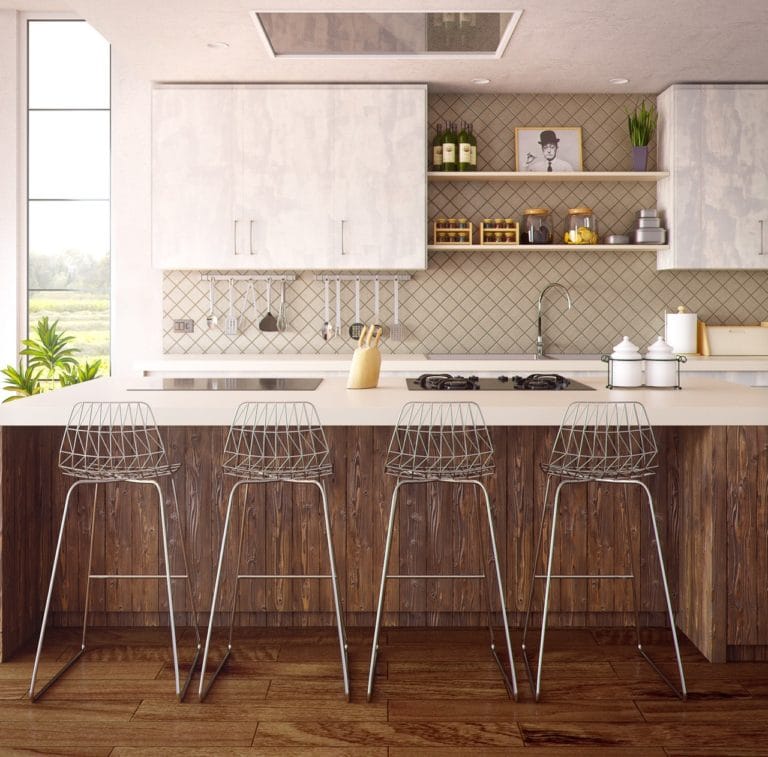
The Ultimate Guide to Building a Smart Kitchen
A smart kitchen modernizes everyday cooking by seamlessly combining technology and design. Sensors and connected devices operate quietly in the background, anticipating needs and minimizing waste. Simultaneously, water and energy consumption become more efficient, while hands-free controls make tasks safer when hands are busy. Intelligent lighting adjusts to set the right mood, and innovative storage solutions help keep supplies organized and accessible. Such a kitchen adapts to changing habits and innovations, making cooking easier, more enjoyable, and environmentally friendly, helping you create a space that feels both familiar and future-oriented.
Read this blog until the end to explore the ultimate guide to building a smart kitchen efficiently.

Choosing the Right Appliances
Selecting the right appliances sets the foundation for a truly intelligent kitchen, and there is a ton of modernized equipment to choose from. Look for refrigerators with built-in cameras that let you peek inside from anywhere. Dishwashers with soil sensors adjust cycle length and water use automatically. Ovens with recipe apps preheat themselves to the exact temperature you need. Even small gadgets, such as induction cooktops, offer precision that makes cooking safer and faster. Focus on devices that talk to each other using a standard smart home platform. This ensures seamless communication and prevents compatibility headaches down the line.
Integrating Smart Lighting and Ambiance
Lighting plays a massive role in both function and mood. Install LED strips under kitchen cabinets to illuminate workspaces without harsh glare. Overhead fixtures with adjustable color temperature shift from energizing daylight tones to warm evening hues. Motion sensors can turn lights on as you enter the room, then fade them out when you leave. Voice-activated controls mean no fumbling with switches when your hands are covered in flour or oil. Dimmers and schedules help conserve energy by matching brightness to the time of day. Remember, a well-designed lighting setup turns a dull cooking area into a warm gathering spot for family and friends.
Connecting Through Voice and Apps
Voice assistants have become indispensable kitchen helpers, managing timers, converting measurements, and guiding you through recipe steps without forcing you to touch a screen. Mobile apps extend that convenience, offering remote checks of refrigerator inventories, filter health, and oven status from anywhere in the house. Products like a bathtub faucet aerator demonstrate how precise flow control can improve everyday tasks. This same engineering approach enhances smart kitchen faucets, delivering just the right amount of water for rinsing vegetables or filling pots. Custom alerts ensure stir-ins happen at the perfect moment and that perishables aren’t left to spoil. Combining voice commands with finely tuned water flow and app-driven monitoring makes it possible to juggle multiple tasks effortlessly.

Enhancing Storage and Inventory Management
Smart kitchens thrive on organized storage. Install pull-out pantry units with built-in weight sensors to track staples like grains, oils, and spices. When levels run low, automatic alerts can trigger a shopping list on a connected device, helping you keep track of what to buy. Drawer organizers with RFID tags identify utensils and cookware, making it easy to locate the right tool. Overhead cabinets equipped with motion-activated lights illuminate shelves the moment they open. Even the refrigerator can help: adjustable shelves and modular bins adapt to different containers, while temperature-controlled drawers preserve produce at optimal humidity. Streamlined storage keeps everything in place and ensures ingredients are always available for you to use.
Future-Proofing Your Kitchen
Technology evolves quickly, so plan for upgrades and expansions. Choose platforms that support over-the-air firmware updates to keep devices secure and up to date. Modular appliances let you swap out components, like adding a wireless temperature probe or upgrading a smart display, without replacing the entire unit. Leave extra wiring in the walls or install a conduit to accommodate new sensors down the road. You must regularly review the kitchen’s network health, ensuring strong Wi-Fi coverage in every corner. The kitchen will stay at the forefront for many years by incorporating flexibility now.
Final Thoughts
Building a smart kitchen involves installing the latest gadgets and ensuring careful planning and consideration of future needs. By emphasizing appliance compatibility, intelligent lighting, and efficient layouts, you can create a space that makes daily routines easier and reduces waste. Integrated voice and app controls free up hands for cooking, while clever storage solutions and modular designs ensure the kitchen remains adaptable. Ultimately, a well-designed smart kitchen balances technology with usability, providing a cooking environment that adapts alongside lifestyle changes and culinary goals.