Enhancing Your Outdoor Lifestyle: From Backyard Fencing to Backcountry Camping
The Ultimate Outdoor Living Adventure: A Highway 1 Road Trip
While cultivating a serene outdoor space at home is deeply rewarding, sometimes the call of the open road and the allure of vast, untamed landscapes become irresistible. For those yearning for an adventure that combines breathtaking natural beauty with the freedom of finding, a road trip along California’s iconic Highway 1 is an unparalleled experience. Often referred to as the Pacific Coast Highway (PCH) in Southern California, and known by various other names like the Cabrillo Highway or Shoreline Highway along its extensive length, this route is much more than just a road; it’s a journey through some of the most spectacular coastal scenery in the world.
Designated an All-American Road, Highway 1 offers endless vistas overlooking the Pacific Ocean, with dramatic cliffs, pristine beaches, and charming seaside towns dotting its winding path. The most celebrated stretch, and arguably the heart of this adventure, lies within the Big Sur region. Here, the Santa Lucia Mountains plunge directly into the ocean, creating a rugged, awe-inspiring landscape that has captivated artists, writers, and travelers for generations. This drive is not merely about reaching a destination; it’s about the journey itself, the unfolding panoramas, and the countless opportunities to connect with the California coast’s raw power and serene beauty.
Choosing Your Route and Direction
Starting on a Highway 1 road trip requires a bit of planning, and one of the first decisions to make is your direction of travel. While the highway can be driven in either direction, most seasoned travelers and guides recommend driving from north to south. This preference isn’t arbitrary; it’s rooted in practical advantages that significantly improve the overall experience.
When traveling southbound, the Pacific Ocean is consistently on your right-hand side. This means uninterrupted, panoramic ocean views directly from your driver’s or passenger’s window. More importantly, it provides easier and safer access to the numerous vista points, scenic overlooks, and pull-offs punctuating the route. You can pull directly into these spots without crossing oncoming traffic, making spontaneous stops for photos or simply to soak in the scenery, which is much more convenient and less stressful. The dramatic cliffs and sweeping curves of the highway are designed to be admired from this perspective, allowing the ocean to unfold before you.
Conversely, driving north to south (e.g., San Francisco to Los Angeles) also places the ocean on your right, offering similar benefits for views and pull-offs. The choice between starting in the north (like San Francisco) and heading south, or beginning in the south (like Los Angeles or San Diego) and heading north, largely depends on your overall travel plans and where you’re flying into or beginning your journey.
Common starting points include:
- San Francisco is ideal for those who want to experience the vibrant city life before heading south to the natural wonders of Big Sur and beyond. It allows for a gradual transition from urban exploration to coastal wilderness.
- Los Angeles: A popular choice for travelers coming from Southern California, offering a direct route into the PCH experience. While the initial stretches near LA can be more urbanized, they quickly give way to stunning coastal scenery.
- San Diego: Located at the very southern end of California, starting here means traversing the entire length of the PCH, experiencing a wide range of landscapes from the busy beaches of Southern California to the dramatic cliffs of Big Sur and the charming towns of the Central Coast, culminating in San Francisco.
The “best” direction is subjective, but we highly recommend planning your journey to keep the ocean on your side of the road for optimal views and ease of access to the countless scenic stops.
When to Go: Best Time of Year for Your Drive
Timing is everything when planning a Highway 1 road trip, as weather patterns and crowd levels can significantly impact your experience. While California boasts a generally mild climate, the coastal regions have unique seasonal characteristics.
Spring (March to May): This is often considered one of the best times to visit. The landscape is vibrant green from winter rains, wildflowers are in bloom, and the air is crisp. Temperatures are pleasant, and while you might still encounter some fog, especially in the mornings, it often burns off by midday. Crowd levels are moderate, making it easier to find parking at popular viewpoints and secure accommodations. Spring also offers excellent opportunities for whale watching as gray whales migrate north.
Summer (June to August): While summer brings warm temperatures and long daylight hours, it also coincides with peak tourist season and a phenomenon known as “June Gloom.” This coastal weather pattern often results in overcast skies and dense fog lingering for days, obscuring those iconic ocean views. While it usually clears by the afternoon, it can be unpleasant for those expecting constant sunshine. Crowds are at their highest, leading to more traffic, packed viewpoints, and higher prices for lodging. If you must travel in summer, consider late August for slightly fewer crowds and a better chance of clear skies.
Fall (September to November): Many consider fall the best time to drive Highway 1. The “June Gloom” has typically lifted, offering consistently clear, sunny days and comfortable temperatures. The ocean is often warm, and the light can be excellent for photography. Crowd levels begin to thin out after the summer rush, providing a more relaxed and enjoyable experience. This season also offers another chance for whale watching as gray whales begin their southbound migration.
Winter (December to February): Winter brings the lowest crowd levels and the potential for dramatic stormy skies and mighty ocean swells. However, it’s also the rainy season, significantly increasing the risk of landslides and road closures, particularly in the Big Sur area. While a clear winter day can be stunning, the weather’s unpredictability means you need to be flexible and constantly check road conditions. Temperatures are cooler, and some smaller businesses might have reduced hours or be closed.
For the most enjoyable experience, we generally recommend late spring or early fall, which balances pleasant weather, manageable crowds, and optimal viewing conditions.
Navigating Road Conditions and Closures
One of the most critical aspects of planning a Highway 1 road trip, primarily through the Big Sur region, is staying informed about current road conditions and potential closures. Due to its dramatic coastal geology, Highway 1 is highly susceptible to landslides, rockfalls, and erosion, particularly during and after heavy winter rains. These natural events can lead to significant sections of the highway being closed for days, weeks, or even months, making real-time information indispensable for a smooth journey.
The Big Sur area is particularly prone to these disruptions. Massive landslides, like the Mud Creek slide in 2017 or the more recent Rat Creek collapse in 2021 and various slides in 2023-2024, have caused extensive damage, requiring complex and lengthy repair efforts. These closures can effectively split the Big Sur coast, making driving the entire scenic route impossible without significant detours.
Before and during your trip, checking official sources for the latest updates is essential. The California Department of Transportation (Caltrans) is the primary authority for road information. We highly recommend using their resources:
- Caltrans QuickMap: This interactive map provides real-time travel information, including road closures, traffic incidents, construction delays, and chain control requirements. It’s an invaluable tool for on-the-go updates. You can access it here: Resource about current conditions.
- Big Sur Official Website: This site often aggregates the latest information specifically for the frequently impacted Big Sur region. It can provide context and details about local access. Check for updates here: Resource about Big Sur closures.
- Caltrans Social Media and Phone Line: Following Caltrans on Twitter or calling their automated phone line (1-800-427-7623) can also provide immediate alerts.
If a section of Highway 1 is closed, you will likely need to use alternative routes. The most common detour is US-101, which runs parallel to Highway 1 inland. While not as scenic, US-101 is a major freeway that can quickly get you around closed sections, allowing you to re-access Highway 1 further down the coast. For example, if Big Sur is closed, you might drive US-101 to Monterey from the north or San Luis Obispo from the south, then take connecting roads back to the coast.
Being prepared for potential detours and remaining flexible with your itinerary will ensure that even unexpected closures don’t derail your ultimate Highway 1 adventure.
Planning Your Highway 1 Journey: Essential Tips and Logistics
A successful Highway 1 road trip isn’t just about knowing where to go; it’s also about how you plan and prepare. From deciding on the ideal trip duration to choosing the right vehicle and managing your budget, thoughtful logistics can transform a good trip into an unforgettable one.
How Long Does It Take and Where to Stay?
The length of your Highway 1 adventure largely depends on how much you want to see and experience. While it’s technically possible to “drive” the main scenic stretch (roughly San Luis Obispo to Monterey) in a single long day, we strongly advise against it. Rushing this route means missing out on countless hidden gems, breathtaking viewpoints, and charming towns that make the journey memorable.
We recommend allocating sufficient time to savor the experience truly:
- 3-day itinerary (Minimum): This allows for a concentrated trip focusing on the central Big Sur section and key stops like Monterey/Carmel or San Luis Obispo. It’s an option for those with limited time.
- 5-day itinerary (Recommended): This provides a more relaxed pace, allowing for deeper exploration of a few key areas. You can spend a whole day or two in Big Sur, enjoy Monterey/Carmel, and explore a Central Coast town like San Luis Obispo or Santa Barbara.
- 7+ day itinerary (Ideal): For the ultimate, immersive experience, a week or more allows you to explore the entire scenic route from San Diego to San Francisco (or vice versa) with ample time for hiking, wildlife viewing, historical tours, and leisurely stays in multiple locations. This pacing allows for spontaneous stops and deeper engagement with the unique character of each region.
Pacing your drive means understanding that average highway speeds don’t apply here. The winding roads, frequent pull-offs, and sheer beauty will naturally slow you down. Build plenty of buffer time for stops, meals, and unexpected finds.
Accommodation types along Highway 1 vary widely, catering to all budgets and preferences.
- Camping: Offers the most immersive nature experience, with numerous state parks and private campgrounds providing stunning coastal or redwood forest settings. Reservations, especially for popular spots in Big Sur, are essential and often need to be made months in advance.
- RV Parks: Staying at an RV park is another great option for travelers seeking comfort, flexibility, and amazing views. You also get to use great facilities such as a laundry, on-site shops, and showers.
- Motels/Hotels: These are available in most towns along the route, offering convenience and a range of price points.
- Luxury Inns: For a splurge, Big Sur and Carmel offer world-renowned, high-end resorts with unparalleled views and amenities.
Here is a list of recommended overnight stops, offering a blend of attractions, dining, and lodging options:
- Santa Barbara is known for its Spanish colonial architecture, beautiful beaches, and vibrant downtown.
- San Luis Obispo: A charming college town with a historic mission, lively downtown, and proximity to wine regions.
- Cambria: A quaint seaside village near Hearst Castle, famous for its arts scene and Moonstone Beach.
- Carmel-by-the-Sea: A picturesque town with fairy-tale cottages, art galleries, and a stunning beach.
- Monterey: Home to the famous Monterey Bay Aquarium, historic Cannery Row, and a busy waterfront.
By thoughtfully planning your duration and choosing suitable overnight stops, you can ensure that your Highway 1 journey is as comfortable as it is captivating.
Essential Driving and Vehicle Tips for the Coast
Driving Highway 1 is an experience unlike any other, but it has its own practical considerations to ensure a safe and enjoyable trip. The winding, often narrow roads and stretches of remote wilderness demand a bit more preparation than a typical interstate journey.
First and foremost, gas stations can be few and far between, especially in the Big Sur area. We strongly advise filling up your tank in major towns before starting on long scenic stretches. For instance, if driving south, fill up in Monterey or Carmel before Big Sur. If driving north, ensure you’re topped off in San Luis Obispo or Cambria. Gas prices in remote areas can also be significantly higher, so planning your fuel stops can save you money.
Cell service zones are notoriously spotty along much of Highway 1, particularly in Big Sur. Do not rely on your phone for navigation or communication in these areas. Before you lose signal, download the entire route’s offline maps (e.g., Google Maps, Apple Maps, or dedicated GPS apps). This will ensure you can steer even without a data connection. It’s also wise to have a physical map as a backup.
Bathroom breaks should be taken whenever the opportunity arises. While there are public restrooms at state parks and some larger viewpoints, they are not always conveniently located. Use facilities at gas stations, restaurants, or visitor centers whenever you stop.
Car reliability is paramount. Ensure your vehicle is in excellent working condition before you set off. Check your tires, brakes, fluids, and lights. A breakdown in a remote section of Highway 1 can be a significant inconvenience and potentially costly, as tow services might be far away and expensive. If renting a car, opt for a reliable model that handles well on winding roads.
Finally, driving on winding roads requires focused attention. Maintain a safe speed, especially around blind curves. Be prepared for sudden stops at viewpoints or for wildlife crossing the road. Be courteous to other drivers, using pull-outs to allow faster traffic to pass if you’re enjoying the scenery at a slower pace. It’s a scenic drive, not a race.
The Freedom of Backcountry Camping: Your Home on Wheels
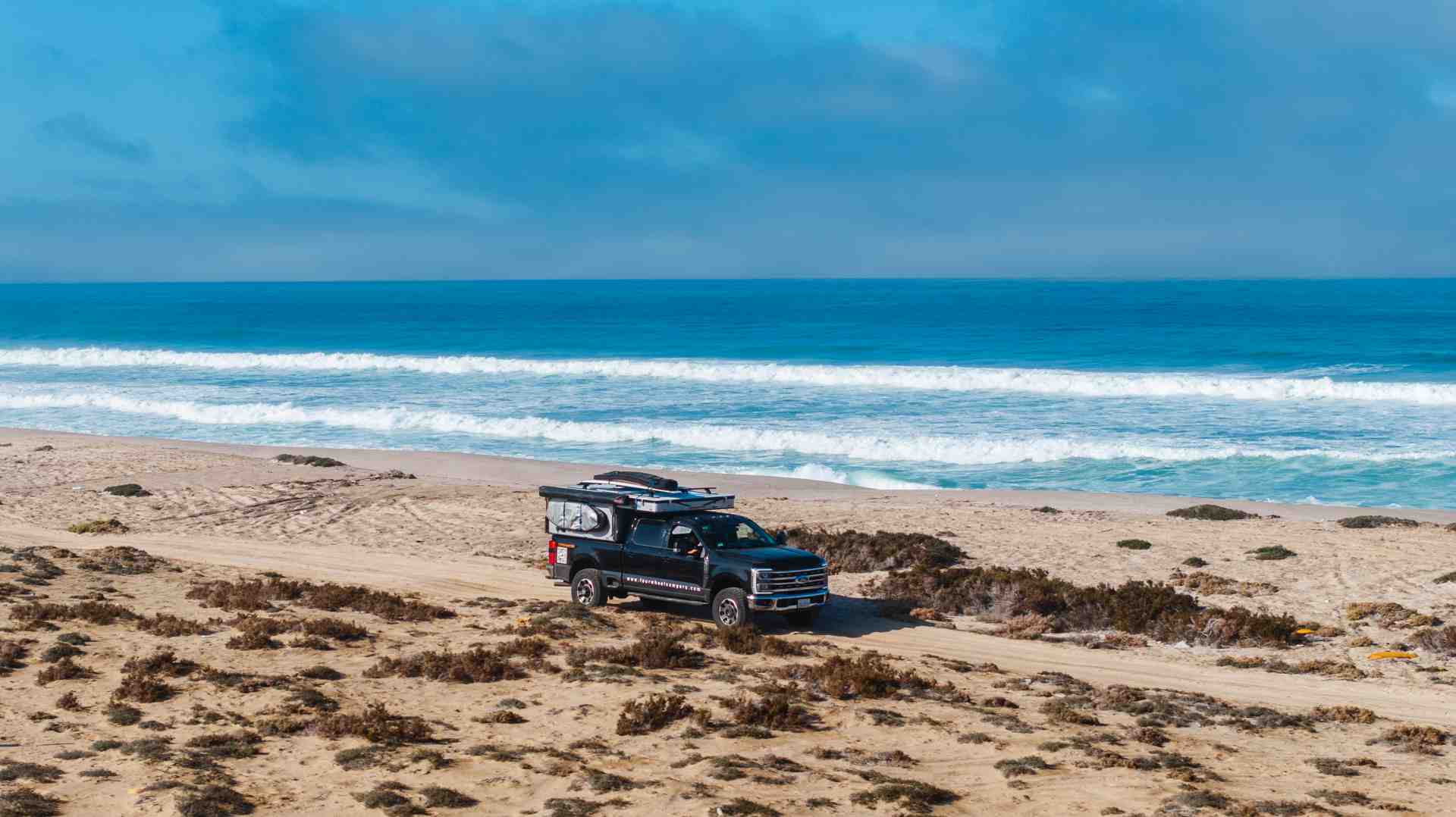
For those who genuinely want to immerse themselves in the natural beauty of Highway 1, backcountry camping offers unparalleled freedom and flexibility. Traditional tents are an option, but the experience is lifted significantly with a pop-up truck camper. These versatile units transform your pickup truck into a mobile basecamp, providing comfort and convenience while allowing access to more remote and breathtaking locations.
The benefits of truck campers for a Highway 1 adventure are numerous. Their compact design allows you to easily steer the winding roads and tight turns, unlike larger RVs that might struggle with specific sections or pull-offs. They offer the flexibility to stop and set up camp wherever permitted, whether a designated campground in a state park or a dispersed camping spot in a national forest (where allowed). This access to remote spots means you can wake up to incredible sunrises over the Pacific, or fall asleep under a canopy of stars without needing fixed accommodations. Exploring the diverse landscapes along the coast, from beaches to redwood forests, is improved by the freedom of a pop-up truck camper, allowing for a truly immersive Four Wheel Campers outdoor living Highway 1 experience.
When considering a truck camper, ensuring compatibility with your vehicle is crucial. Slide-in campers are designed to fit into the bed of a pickup truck. While some models are suitable for mid-weight trucks like the Ford F-150, a heavier-duty truck like a Ford F-250 or F-350 is generally preferable for larger and heavier camper models. This is because these larger trucks offer higher payload capacities, the maximum weight your vehicle can safely carry in its bed, including the camper, passengers, and gear.
Always check the ‘Start Weights’ or ‘Dry Weights’ of the camper you’re interested in. This figure represents the camper’s weight without water, propane, or personal gear. Compare this to your truck’s payload capacity (found on a sticker inside your driver’s side door jamb) to ensure it matches your vehicle. Exceeding your truck’s payload capacity can compromise safety, handling, and vehicle longevity.
Investing in a truck camper can be a significant decision, and many manufacturers offer financing resources. For example, Four Wheel Campers provides options through partners like ELITE, and you can learn more on their financing page. This makes the dream of owning your mobile basecamp more accessible, opening up a world of adventure along scenic routes like Highway 1.
Creating Your Personal Outdoor Oasis at Home
Before we start on grand adventures, let’s consider how to cultivate an enriching outdoor lifestyle right where we live. Our homes and surrounding spaces offer the first and most accessible opportunity to connect with nature and enjoy the fresh air. Creating a personal outdoor oasis involves thoughtful design and consistent maintenance, changing a simple yard into a sanctuary for relaxation, entertainment, and individual well-being.
Privacy and security are often paramount when designing these spaces. Whether a busy urban backyard or a sprawling suburban property, defining clear boundaries and ensuring a sense of seclusion allows for a deeper, more personal connection with your immediate environment. Landscape design plays a crucial role, integrating elements like lush plantings, inviting seating areas, and ambient lighting to craft an atmosphere that truly feels like an extension of your indoor living space. The goal is to create an area that looks appealing and functions as a year-round retreat, adaptable to different seasons and activities.
Defining Your Space with Fencing
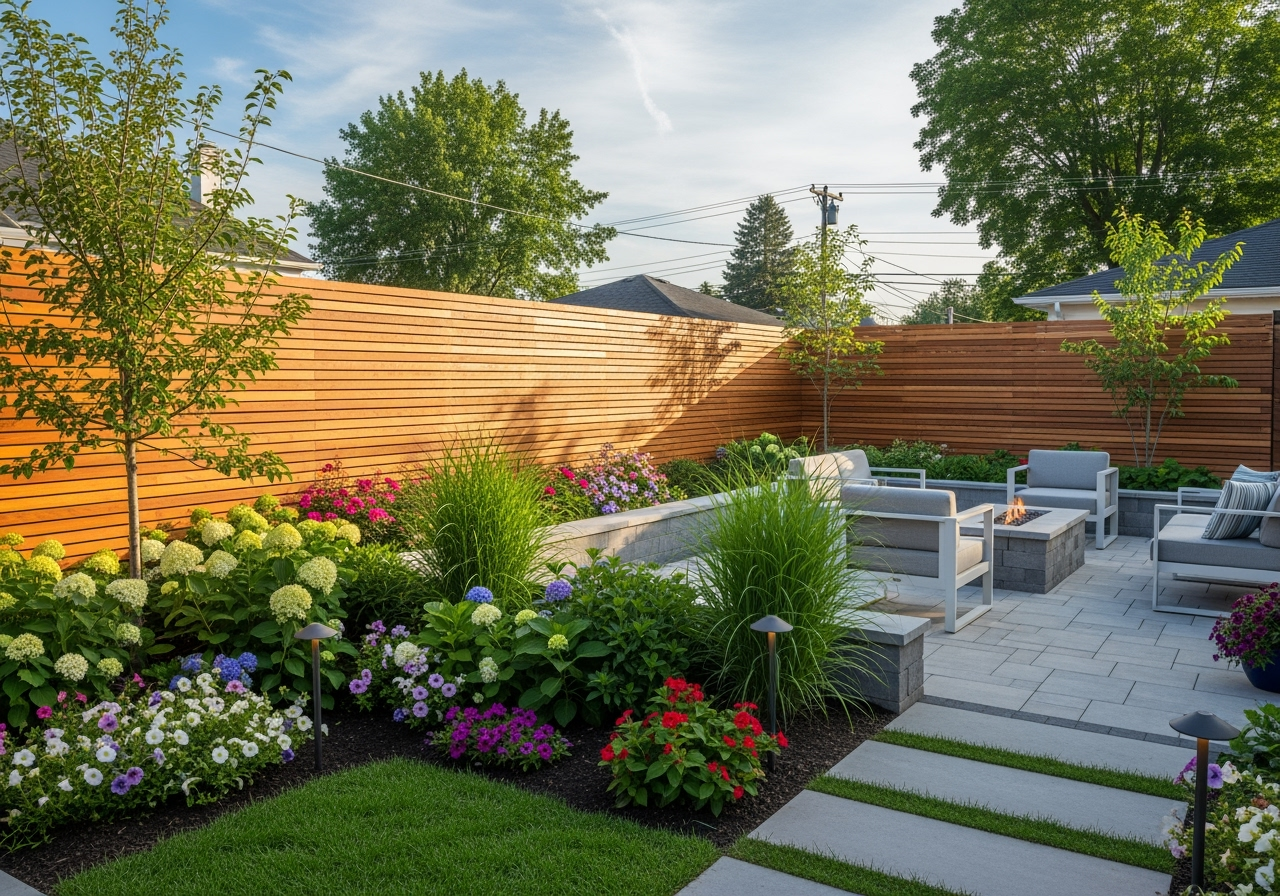
Fencing is more than just a boundary; it’s a fundamental component of your outdoor sanctuary, offering practical benefits and aesthetic appeal. The choice of material and style can significantly influence the character and functionality of your space.
For a classic and versatile look, wood fencing remains a popular choice. Options range from rustic cedar to neat redwood, offering natural beauty that can be stained or painted to match any design aesthetic. Wood fences provide excellent privacy, and their natural variations add warmth and character to any garden or yard. However, they require regular maintenance, such as sealing or painting, to protect against weather elements and prolong their lifespan.
Vinyl fencing, on the other hand, offers a low-maintenance alternative. Available in various colors and styles, including designs that mimic wood, vinyl is highly durable and resistant to rot, pests, and fading. It’s an excellent choice for those seeking a long-lasting solution with minimal upkeep. While it might lack the natural texture of wood, its consistency and durability make it a practical option for many homeowners.
Metal fencing, such as wrought iron or aluminum, provides different advantages. These materials are known for their strength and elegance, often used for decorative purposes or to define property lines without obstructing views. Ornamental metal fences can add a touch of sophistication and historical charm, while aluminum offers a lighter, rust-resistant option. They are particularly effective for security and can be designed with intricate patterns that improve the landscape.
When considering style choices, privacy fences are ideal for creating secluded outdoor rooms, blocking out noise and prying eyes. Their solid construction, often reaching six feet or more, ensures maximum seclusion. Picket fences, conversely, offer a more open and traditional aesthetic, perfect for front yards or defining garden areas without completely enclosing them. Their charming design allows light and air circulation while adding a welcoming touch.
Beyond materials and styles, professional installation is a key factor in ensuring the longevity and effectiveness of your fence. Experts can advise on local regulations, proper post-setting techniques, and optimal placement for durability and visual appeal. A well-installed fence improves the beauty and functionality of your outdoor space and contributes to increased property value, making it a wise investment for any homeowner.
Maintaining Your Outdoor Living Space Year-Round
Once your outdoor oasis is established, consistent maintenance is essential to keep it beautiful and functional throughout the year. Seasonal upkeep ensures that your garden thrives, your lawn remains lush, and your hardscape pristine.
Lawn care is a continuous process, involving regular mowing, fertilizing, and aeration to promote healthy growth and prevent weeds. In warmer months, consistent watering is crucial, while in cooler periods, preparing your lawn for dormancy helps it rebound in the spring. Garden maintenance involves pruning, weeding, and pest control, ensuring your plants remain vibrant and disease-free. Rotating seasonal plantings can keep your garden fresh and colorful throughout the year.
As seasons change, so do the demands on your outdoor space. Winter preparedness is critical in regions that experience cold temperatures, snow, or ice. This involves protecting sensitive plants, draining irrigation systems, and securing outdoor furniture. For larger properties or areas prone to heavy snowfall, managing seasonal tasks like snow removal is crucial for accessibility and safety. Finding reliable help like professional Outdoor living snow plowers ensures your space remains usable and safe in any weather, preventing hazards and maintaining clear pathways for daily life. This proactive approach to maintenance safeguards your investment and allows you to enjoy your outdoor living areas regardless of the season.
Experiencing the Best of Highway 1: Nature, History, and Culture
Highway 1 is a mix woven with natural wonders, rich history, and vibrant culture. To truly appreciate its essence, we encourage you to step out of your vehicle and dig into the myriad experiences it offers. Every turn, from dramatic coastal landscapes to historical landmarks and opportunities for wildlife encounters, reveals a new facet of California’s allure.
Must-See Attractions from South to North
While the entire route is spectacular, certain attractions stand out as essential stops for any Highway 1 itinerary:
- San Diego: Begin your journey in this sunny city, known for its vibrant neighborhoods like the Gaslamp Quarter and Little Italy, world-class attractions like the San Diego Zoo, and beautiful beaches perfect for surfing or relaxation.
- Huntington Beach: “Surf City USA” offers a quintessential Southern California beach experience. Stroll the iconic Huntington Pier, watch surfers catch waves, or explore the lively atmosphere of Pacific City.
- Santa Barbara: Often called the “American Riviera,” this city boasts stunning Spanish colonial architecture, pristine beaches, and sophisticated wine country. Explore State Street, visit the historic Old Mission Santa Barbara, or visit The Funk Zone’s art galleries and tasting rooms.
- San Luis Obispo: A laid-back Central Coast gem, SLO offers a charming downtown centered around Mission San Luis Obispo de Tolosa. Don’t miss the lively Thursday night Farmers’ Market, or a quirky stay at the famous Madonna Inn.
- San Simeon (near Hearst Castle): Home to the Piedras Blancas Elephant Seal Rookery, where thousands of northern elephant seals gather year-round. It’s a fascinating and accessible wildlife viewing experience.
- Big Sur: The undisputed highlight. This rugged, undeveloped stretch of coastline is home to iconic landmarks like Bixby Bridge, McWay Falls in Julia Pfeiffer Burns State Park, and Pfeiffer Beach with its purple sand. Allow ample time to explore its dramatic cliffs and redwood forests.
- Carmel-by-the-Sea: A picturesque village known for its fairy-tale cottages, art galleries, boutique shops, and a dog-friendly white sand beach. It’s a charming stop for a stroll and fine dining.
- Monterey: Immerse yourself in history at Cannery Row, made famous by John Steinbeck, and visit the world-renowned Monterey Bay Aquarium, an absolute must-see for marine life enthusiasts. Explore Fisherman’s Wharf for fresh seafood and whale watching tours.
- Santa Cruz: A vibrant surf town with a laid-back vibe. Visit the historic Santa Cruz Beach Boardwalk for classic amusement park fun, or explore the redwood forests in the nearby Santa Cruz Mountains.
- San Francisco: Conclude your journey in the iconic “City by the Bay.” Ride a cable car, visit Alcatraz, explore Fisherman’s Wharf, bike across the Golden Gate Bridge, and immerse yourself in the diverse culture of neighborhoods like Chinatown and the Mission District.
Uncovering History and Culture Along the Coast
Highway 1 isn’t just about natural beauty; it’s also a corridor through California’s rich history and cultural heritage. Several landmarks along the route offer fascinating glimpses into the past:
- Hearst Castle: Perched majestically atop a hill overlooking the Pacific, Hearst Castle is a testament to the opulence and vision of publishing magnate William Randolph Hearst and his architect Julia Morgan. This extraordinary estate, completed in 1947, features 165 rooms, 127 acres of gardens, and two lavish pools adorned with priceless art and antiques worldwide. It is highly recommended that you take one of the resources about Hearst Castle tours to fully appreciate its grandeur and the stories behind its creation.
- Cannery Row: In Monterey, Cannery Row is significant in literary and industrial history. Once the busy center of the sardine packing industry, it was immortalized by John Steinbeck in his novel of the same name. Today, the former canneries house shops, restaurants, and hotels, but the echoes of its past as a gritty, working waterfront remain.
- Old Mission Santa Barbara: Founded in 1786, this is one of California’s most beautiful and well-preserved Spanish missions. Its impressive architecture, lush gardens, and historical artifacts provide a serene window into the state’s colonial past and the enduring legacy of the mission system.
- Bixby Bridge Engineering: This iconic concrete arch bridge in Big Sur, completed in 1932, is a photographic marvel and an engineering feat. Its construction was monumental. It connects the isolated Big Sur coast and symbolizes human ingenuity in harmony with nature. It stands as a testament to the vision of creating this coastal highway.
These historical and cultural sites offer a deeper understanding of the forces that shaped California and add layers of meaning to your scenic drive.
Embracing the Natural Beauty and Improved Outdoor Living
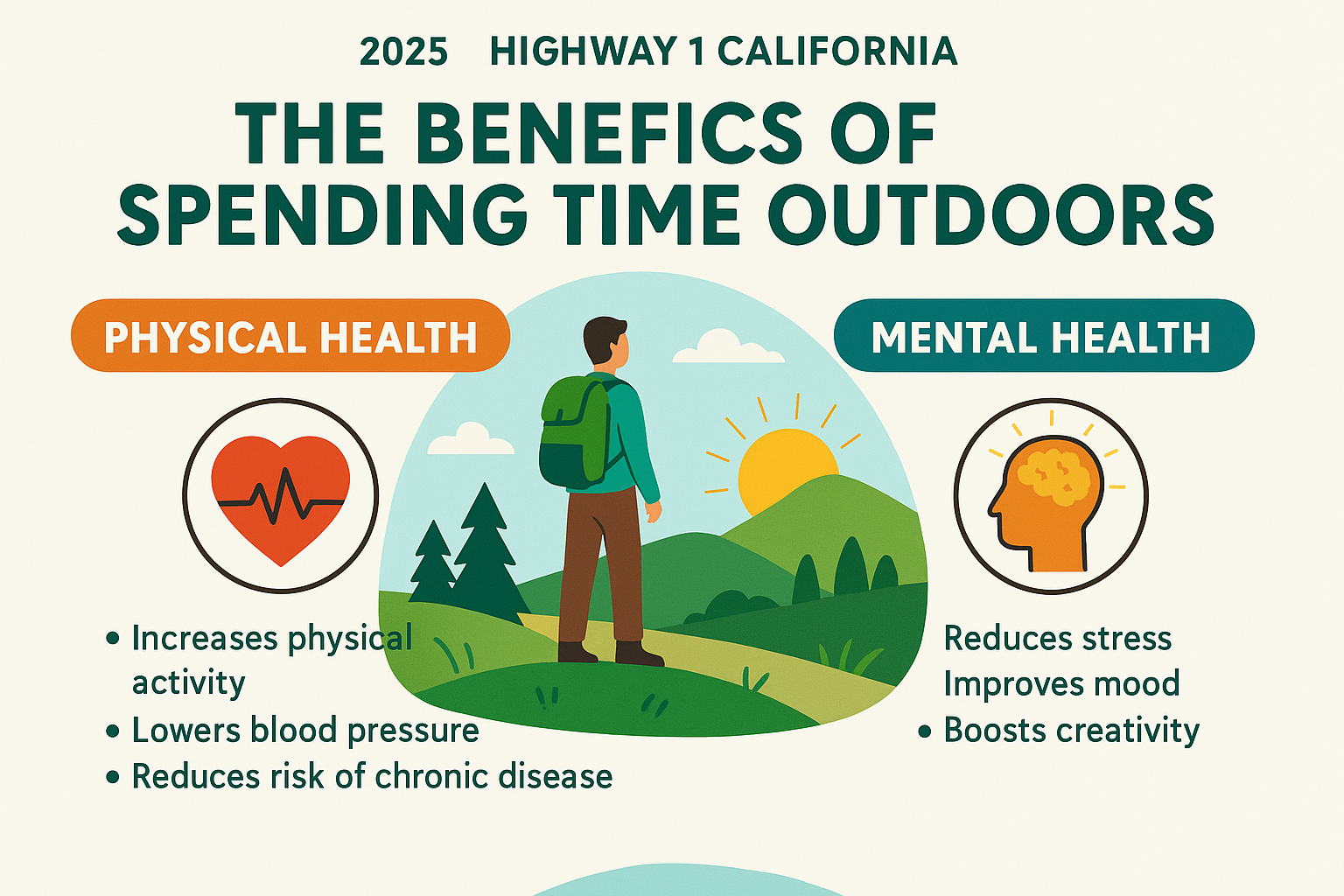
The true magic of Highway 1 lies in its unparalleled natural beauty and the countless opportunities it provides for outdoor exploration. From hiking through ancient forests to observing diverse wildlife and relaxing on secluded beaches, the coast invites you to connect profoundly with nature.
Hiking is one of the best ways to experience the varied ecosystems of the coast.
- Julia Pfeiffer Burns State Park in Big Sur is home to the famous McWay Falls, a stunning 80-foot waterfall that cascades onto a pristine beach (accessible via a short overlook trail). The park also offers other trails that wind through redwood groves.
- Point Lobos State Natural Reserve near Carmel is often called the “crown jewel” of the State Park system. Its dramatic coastline, coves, and trails offer incredible opportunities for hiking, photography, and wildlife viewing, including sea otters, harbor seals, and migrating whales.
Wildlife viewing is a highlight of any Highway 1 trip. Beyond the elephant seals at Piedras Blancas, keep an eye out for:
- California condors: These magnificent, critically endangered birds can sometimes be spotted soaring above the Big Sur cliffs.
- Sea otters: Playful and charismatic, these marine mammals frequently float in kelp beds along the Central Coast, particularly around Monterey Bay.
- Whales: Depending on the season, you might spot gray whales during their migration (winter/spring) or humpback and blue whales in the summer and fall.
Beach access along Highway 1 ranges from popular sandy stretches to hidden coves.
- Pfeiffer Beach in Big Sur is famous for its unique purple sand and Keyhole Arch, a natural rock formation that offers spectacular sunset views.
- Carmel Beach is a pristine white sand beach perfect for a stroll, sunset viewing, or even bringing your canine companion.
- Numerous other state parks and local access points offer opportunities for beachcombing, picnicking, or simply enjoying the ocean breeze.
These outdoor living opportunities, whether invigorating hikes, quiet moments of wildlife observation, or peaceful afternoons on the beach, make a Highway 1 road trip truly transformative.
Conclusion
Our journey through the spectrum of outdoor living, from the tranquility of a well-designed backyard to the exhilaration of a Highway 1 road trip, underscores a fundamental truth: connecting with the outdoors enriches our lives in countless ways. We’ve explored how creating a personal haven at home, with thoughtful fencing and year-round maintenance, can provide a consistent source of peace and enjoyment. And we’ve detailed the meticulous planning and boundless rewards of venturing onto California’s iconic coastal highway, a route that promises unparalleled natural beauty, historical insights, and cultural immersion.
Whether your next outdoor endeavor involves enhancing your home sanctuary or starting a grand adventure across scenic landscapes, we believe an improved outdoor lifestyle is an attainable and rewarding goal. It’s about embracing the possibilities, preparing thoughtfully, and allowing the natural world to inspire and refresh you. Start planning your next outdoor project or adventure, and find the profound benefits of living life connected to the great outdoors.