Making Dental Care Feel Less Scary for Kids
Dental visits can worry children who face unfamiliar sights and sounds. Small steps toward comfort can turn early fear into confidence.
Positive early experiences at the dentist help children form healthy oral care habits. From specialized communication techniques to thoughtful office environments, dental professionals in Winter Park have created effective ways to ease children’s fears, similar to proven behavior management techniques used to reduce dental anxiety in children. These methods make appointments smoother and help establish the foundation for lifelong dental health habits.
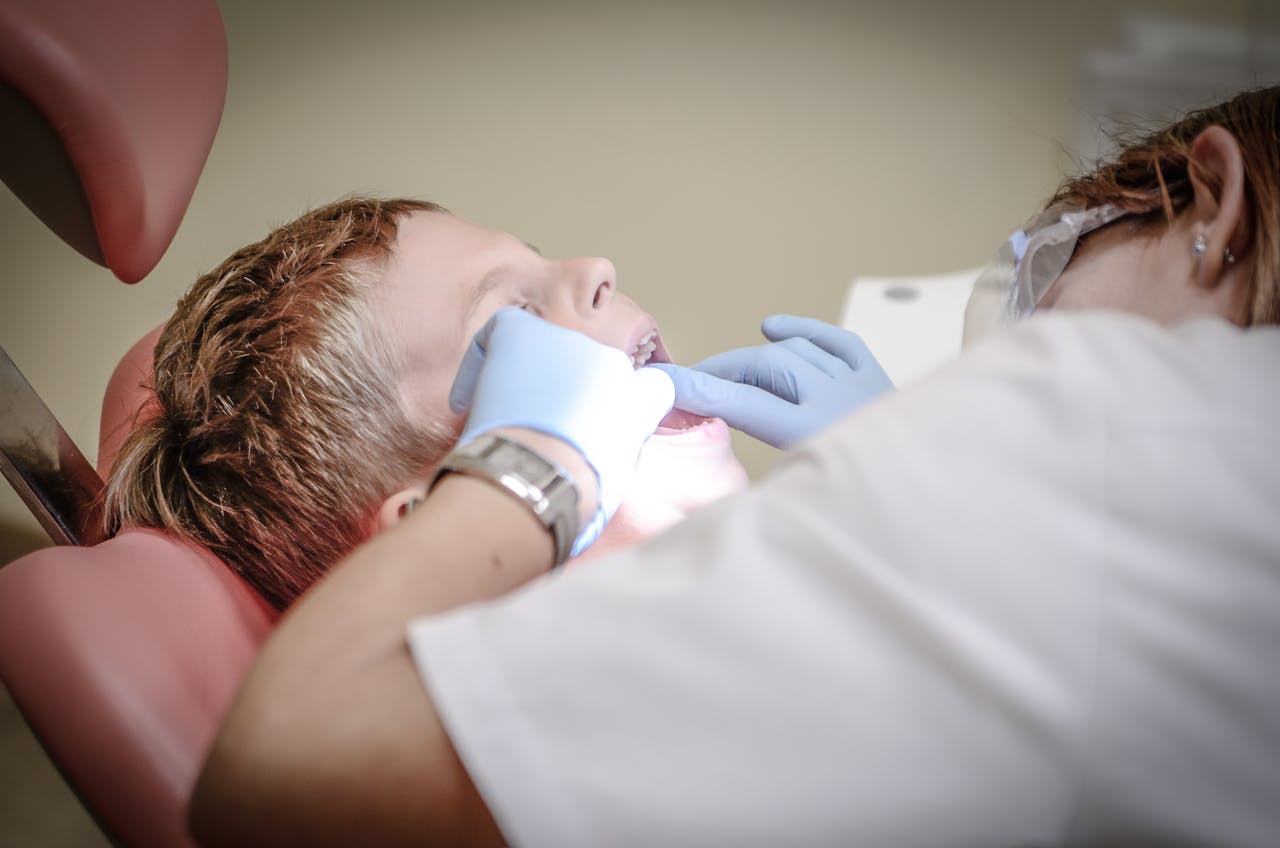
Creating a calm, friendly environment goes beyond décor or colors. Gentle communication, predictable routines, and small choices, like letting children pick a toothbrush or a sticker, can transform dental visits into positive experiences. Over time, these small moments of control and reassurance help children build long-term confidence in their dental care. Encouraging this sense of trust early helps make routine visits feel natural rather than stressful as children grow.
Why Children Fear the Dentist
The dental office environment feels strange with its unique smells, bright lights, and unfamiliar equipment. The sounds of dental tools can seem scary, especially the high-pitched whine of a drill.
Many Desai Dentist offices in Winter Park use child-friendly methods, creating environments where children can feel more at ease during their visits. These practices often include colorful waiting spaces, child-sized equipment, and staff who are experienced working with young patients.
A child’s age strongly influences how they experience dental fear. Toddlers and preschoolers may struggle with separation anxiety when asked to sit in the dental chair. Elementary-aged children might worry about pain or hearing bad news about cavities.
Parental dental anxiety can also influence how children feel about dental visits. There is often a connection between parental dental fear and dental anxiety in their children, especially in certain age groups.
Preparing Your Child Before the Appointment
Parents can reduce anxiety by explaining dental visits in simple, positive language. For young children, describing how the dentist will “count” and “take pictures” of teeth works better than using words like “drill” or “needle.”
Role-playing dental visits at home works well for many families. This activity helps them understand what to expect and gives them a sense of control over the situation.
The timing of appointments matters as well. Early morning appointments often work best for younger children who have more patience and energy earlier in the day.

What to Say and What to Avoid
Positive phrases like “The dentist helps keep teeth strong and healthy” or “The dentist is going to count teeth and make them shiny” set a good tone, echoing the gentle, honest approach suggested in tips for talking to your child about dental visits.
Avoid phrases that suggest fear or pain, such as “It won’t hurt” or “There’s nothing to be afraid of.”
When children ask questions about what will happen, honest but simple answers work best. For cleaning, adults might say, “The dentist has special tools to wash teeth and make them sparkle.” For X-rays, “The dentist will take pictures of teeth to see how they are growing.”
Preschoolers need very simple, concrete descriptions focused on counting teeth and gentle cleaning. School-aged children can understand more about why dental care matters for their overall health.
Creating Positive Dental Experiences
Early dental visits help children get used to the experience and feel comfortable with dental care. These early visits are usually quick and simple. Early familiarity with the dentist’s office helps children see check-ups as a normal part of staying healthy.
The physical environment of a dental office greatly affects a child’s comfort level. Research shows that child-friendly colors in the dental space can influence emotions and ease anxiety, helping young patients feel calmer during visits, as noted in a study on color and emotion in pediatric dental settings. Many pediatric dental practices design their spaces specifically for children, with colorful decorations, toys in the waiting room, and even ceiling-mounted TVs or murals.
A familiar comfort item from home can help children feel more secure during visits. A favorite stuffed animal, blanket, or small toy gives them something familiar to hold onto in the new environment.
Distraction Techniques That Work
Headphones with favorite music or stories help block out dental sounds while giving children something pleasant to focus on. Allowing children to choose the music or story themselves increases their sense of control.
Holding something in their hands gives children a sense of control. Stress balls, fidget toys, or even a small stuffed animal provides tactile distraction during treatment. A dentist that regularly works with kids could already have some of these around to help, as they would’ve already helped patients with dental anxiety before.
Simple breathing exercises can help anxious children relax in the dental chair. Techniques like “balloon breathing,” where children imagine inflating a balloon as they breathe in and deflating it as they breathe out, can help reduce anxiety and give children a sense of control.
When Dental Anxiety Is Severe
Some children get so anxious about seeing the dentist that simple comfort ideas do not help enough. Some children show physical distress or refuse exams.
Open communication with dental professionals about a child’s fears is important. Parents can mention specific triggers during booking, so the dental team can prepare the right environment from the start. Most dentists appreciate knowing about anxiety beforehand so they can adjust their approach.
For children with pronounced anxiety, sedation dentistry offers solutions that can make treatment possible. Mild sedation with nitrous oxide, often called laughing gas, is sometimes used to help anxious children relax without losing consciousness. This allows them to remain awake yet calm during their appointment.
Pediatric dentists receive extra training specifically for working with anxious children. They often use techniques like tell-show-do (explaining a procedure, demonstrating it, then performing it) and positive reinforcement to build trust gradually, along with gentle behavioral strategies designed to reduce fear and support cooperation, as described in methods that help alleviate dental anxiety in children.
Building a child’s trust in dental care takes time and the right resources. Every positive visit strengthens trust and supports lifelong confidence in dental care.
Helping children feel safe at the dentist is more than preventing fear; it’s building trust that lasts a lifetime. With calm communication, gentle routines, and supportive dental teams, each visit can become a step toward confidence rather than anxiety. When children learn that care feels safe, they grow into adults who value their oral health without fear.