How to Recognize When Outdoor Pavers Need Maintenance
Outdoor pavers can transform patios, driveways, and walkways into inviting, functional spaces. Yet, even the best paver installations require regular attention to maintain their beauty and durability. When left unchecked, minor issues can lead to significant repairs. Recognizing the early signs that your pavers require attention is crucial to maintaining their appearance and functionality. For property owners, the question of paver resealing often arises as pavers age and show visible wear.

Whether your home features natural stone, brick, or concrete pavers, routine monitoring and timely maintenance can save money and prevent headaches. Spotting problems early reduces the risk of more serious damage and keeps your outdoor spaces looking fresh and safe for years to come.
Fading and Discoloration
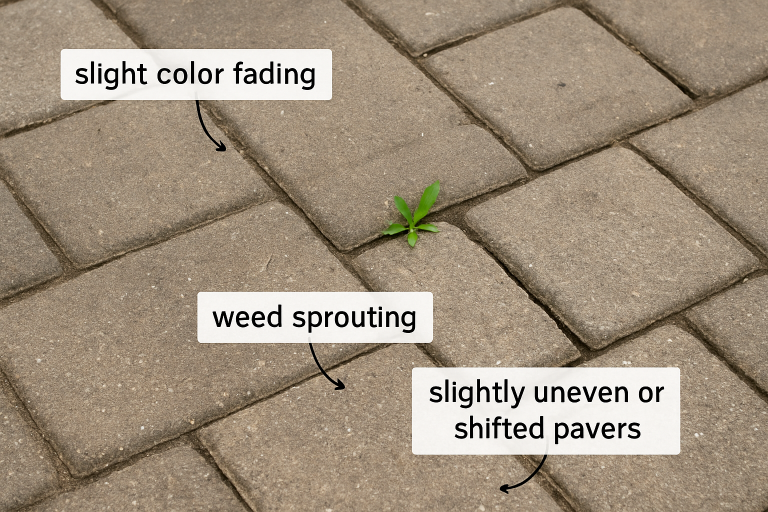
Outdoor pavers are continually exposed to sunlight, rain, and varying temperatures. Over time, ultraviolet rays can break down pigments, causing once-bright pavers to look dull or washed out. Fading is common, especially in areas with intense sun exposure, and can affect the uniformity of your outdoor surfaces. Applying a UV-resistant sealer at regular intervals not only helps protect against fading but also extends the life of the pavers’ color. Sealers act as a protective barrier, similar to sunscreen, making periodical application a smart preventative measure.
Loose or Uneven Pavers
Wobbling or shifting pavers are an immediate sign that the base beneath them may be compromised. Causes include soil erosion, improper installation, or insufficient compaction. Not only does this affect curb appeal, but it also creates safety hazards by increasing the risk of trips and falls. Addressing instability early involves re-leveling or re-compacting the pavers and the sub-base below, thereby restoring the surface’s integrity. Consistent inspection and prompt correction are key to a safe, visually appealing paver surface.
Weed and Moss Growth
When weeds and moss start to appear between pavers, it typically indicates that the joint sand has eroded over time, leaving gaps for organic material to settle and grow. Moisture and shade encourage moss, while exposed joints permit weeds to take root. This nuisance can also compromise the stability of the installation. Maintaining paver joints with polymeric sand and occasionally sealing them provides effective protection against unwanted plant growth, while also helping to secure the pavers in place.
Cracks and Chips
Pavers are durable, but not immune to physical damage. Cracks and chips often result from heavy traffic, the freeze-thaw cycle, or impact from dropped items. Once damaged, pavers can deteriorate further if they are not repaired or replaced promptly. Not only does this negatively affect appearance, but substantial cracks or chips can undermine the structural soundness of the installation. Swiftly replacing broken pavers helps maintain the overall health and longevity of your surface.
Water Pooling
Pooling water or puddles on a paver surface is a clear indicator of poor drainage. This could be due to uneven installation, clogged joint spaces, or compacted sub-layers that no longer direct water away efficiently. Stagnant water not only mars the surface but also accelerates the breakdown of materials, thereby encouraging the growth of algae and moss. Re-leveling pavers and ensuring proper slope and drainage can prevent future pooling and help avoid costly water damage.
Loss of Joint Sand
Joint sand fills the gaps between pavers and holds them firmly in place. Rain, wind, or even regular sweeping and washing can gradually dislodge this sand, allowing pavers to shift or loosen. Inspecting your pavers and replenishing joint sand as needed helps keep the system stable and resistant to weed intrusion. Using high-quality polymeric sand can further lock joints and prevent premature sand erosion.
Staining and Efflorescence
Stains from food, drinks, leaves, or oils can quickly ruin the appearance of beautiful pavers. Efflorescence, a white, powdery substance on the surface, is caused by water-soluble salts rising via evaporation. These blemishes, while unsightly, are usually treatable. Immediate cleaning of stains and proper sealing prevent many issues. If efflorescence appears, specialized cleaners can remove it; however, preventing excess moisture from entering the pavers is the long-term solution.
Maintenance Tips
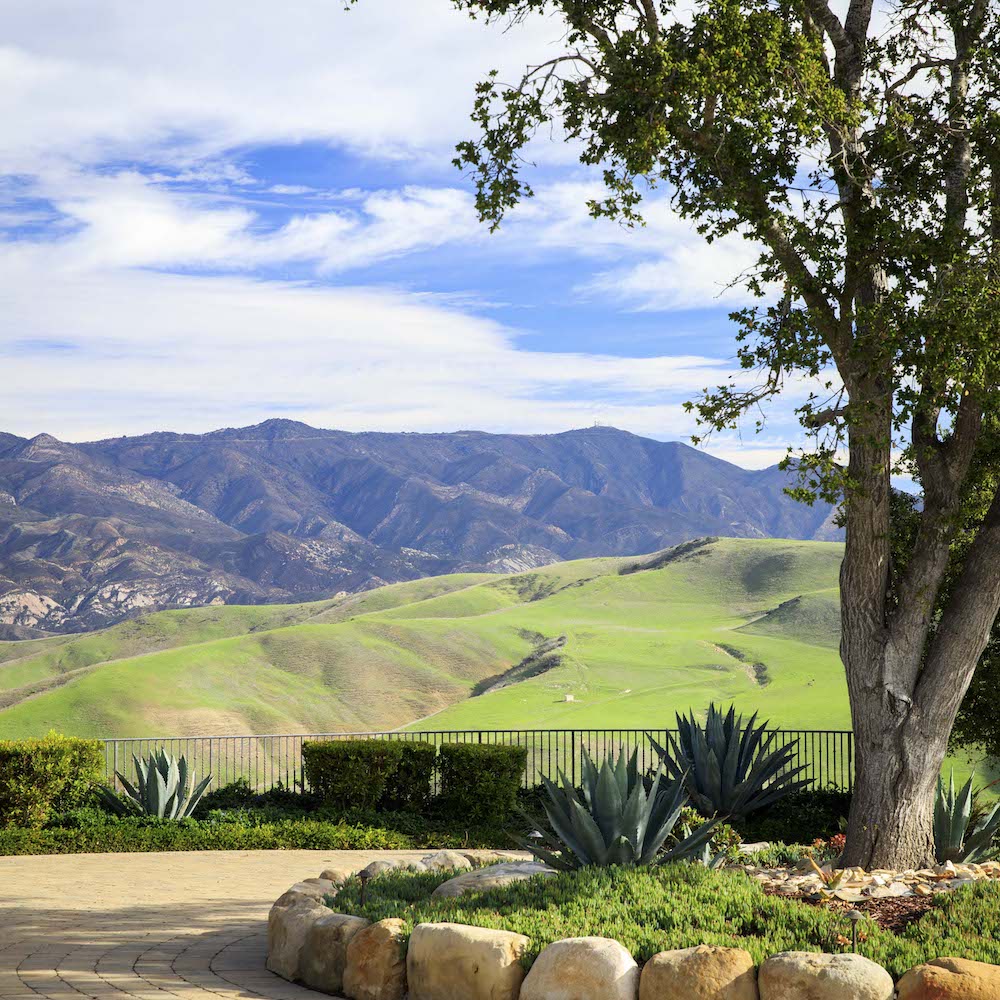
To maintain outdoor pavers, perform regular cleaning by sweeping and washing them to prevent debris buildup and staining. Seal the pavers every 3-5 years with a suitable sealer to protect against fading and stains. Frequently inspect the joint sand and refill with polymeric sand as needed to maintain stability and prevent weed growth. Regular inspection for signs of unevenness, damage, or plant growth is essential; prompt action on these issues can prevent deterioration. By recognizing these warning signs and addressing them promptly, you can extend the lifespan of your pavers, enhance curb appeal, and reduce the likelihood of costly future repairs.
Conclusion
Outdoor pavers are built for durability, but they still require regular attention to perform and look their best over time. Issues such as fading, shifting, weed growth, cracking, and drainage problems often develop gradually, making early detection especially important. By recognizing these warning signs and addressing them promptly through proper cleaning, joint maintenance, sealing, and timely repairs, you can preserve both the appearance and structural integrity of your paver surfaces. Consistent upkeep not only enhances safety and curb appeal but also helps prevent minor concerns from turning into costly, large-scale repairs, ensuring your outdoor spaces remain functional and attractive for years to come.