How Modern Vehicle Technology Is Making Driving Safer Than Ever
How Modern Vehicle Technology Is Making Driving Safer Than Ever
Between school drop-offs, grocery runs, road trips, and daily commutes, most of us spend a lot of time in the car. The good news? Today’s vehicles are smarter and safer than ever before. Thanks to modern car safety technology, drivers now have extra layers of protection working quietly in the background to help prevent accidents before they happen.
From automatic braking systems to features that alert you when you’re drifting lanes or feeling drowsy, these innovations are designed to reduce risk and give families more peace of mind on the road. And if a collision does occur, speaking with a trusted Vinings car accident lawyer can help drivers understand their rights and next steps during recovery.
Let’s take a closer look at how today’s vehicle technology is actively helping reduce car accident risks.
Automatic Emergency Braking (AEB)
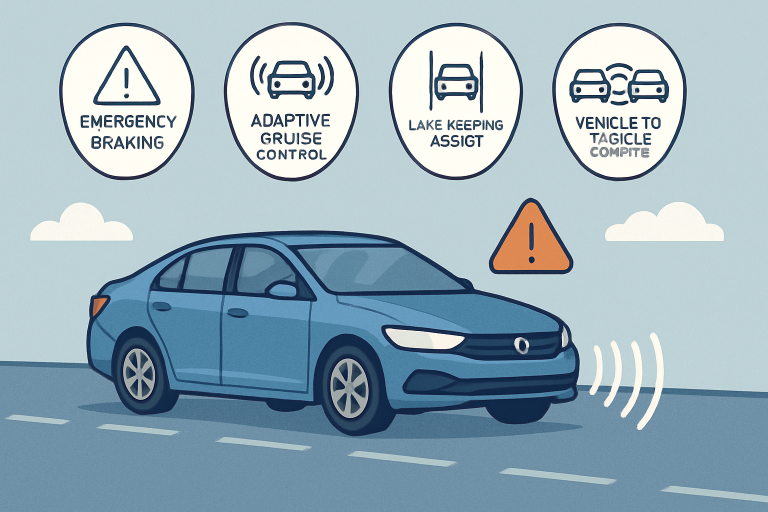
Automatic Emergency Braking is one of the most impactful safety features found in modern vehicles. Using sensors and cameras, AEB continuously scans the road ahead. If it detects a potential collision and the driver doesn’t react in time, the system automatically applies the brakes.
This technology has been shown to dramatically reduce rear-end crashes and related injuries. In fact, AEB is becoming so effective that all new passenger vehicles sold in the U.S. will be required to include it starting in 2029. It’s a behind-the-scenes feature that can make a life-saving difference—especially in stop-and-go traffic or busy school zones.
Adaptive Cruise Control
Adaptive Cruise Control takes traditional cruise control to the next level. Instead of maintaining one fixed speed, this system automatically adjusts your vehicle’s speed to keep a safe distance from the car ahead.
This is especially helpful during long drives or congested commutes, when fatigue and distraction are more likely to creep in. By responding to traffic flow in real time, Adaptive Cruise Control helps reduce rear-end collisions and makes highway driving noticeably less stressful.
Electronic Stability Control
Slippery roads, sudden turns, or unexpected obstacles can cause even experienced drivers to lose control. That’s where Electronic Stability Control (ESC) comes in.
ESC helps keep your vehicle stable by applying braking to individual wheels when it senses a loss of control. This feature has been shown to significantly reduce single-vehicle crashes and rollover accidents. It’s now standard in most vehicles, offering added reassurance during bad weather or emergency maneuvers.
Driver Drowsiness Detection
Driving while tired is more dangerous than many people realize—especially for parents juggling packed schedules. Driver Drowsiness Detection systems monitor driving behavior, such as lane drifting or erratic steering, to spot signs of fatigue.
When the system detects potential drowsiness, it alerts the driver to take a break. These reminders may seem small, but they play a powerful role in preventing fatigue-related accidents, which account for a surprising percentage of crashes each year.
Vehicle-to-Vehicle Communication
Vehicle-to-Vehicle (V2V) communication is an emerging technology that allows cars to “talk” to one another. Vehicles equipped with V2V can share information like speed, direction, and sudden braking events.
This real-time communication helps drivers receive earlier warnings about potential hazards, even before they’re visible. As adoption grows, V2V technology has the potential to prevent a significant number of accidents caused by sudden stops or unexpected traffic changes.
Advanced Driver Assistance Systems (ADAS)
Many of today’s safest vehicles combine multiple technologies into what’s known as Advanced Driver Assistance Systems. These systems often include features like:
-
Lane-keeping assistance
-
Blind-spot monitoring
-
Pedestrian detection
-
Forward collision warnings
Together, these tools act as an extra set of eyes on the road, helping drivers avoid common accidents caused by distraction or momentary inattention. For families, ADAS features provide added reassurance during everyday driving.
Why This Technology Matters for Teen Drivers
Teen drivers are among the most vulnerable on the road, often due to inexperience and older vehicles that lack modern safety features. Studies show that teens driving cars without updated technology face a significantly higher risk of fatal crashes.
When possible, choosing vehicles with advanced safety features can offer an important layer of protection for young drivers as they build confidence behind the wheel.

The Road Ahead
Modern vehicle technology is changing the way we drive—for the better. As safety features become more advanced and more widely available, accident risks continue to decline. While no technology can replace attentive driving, these systems provide valuable support that helps keep families safer on every trip.
With continued innovation and adoption, the future of driving looks smarter, safer, and far more reassuring for everyone sharing the road.