Mental Health Breakthroughs: Transforming Treatment and Practice Management
The Digital Revolution in Mental Healthcare
 Mental health care is at a turning point. For many years, individuals and families faced barriers to effective support. But today, we are seeing rapid and exciting changes. Innovations are reshaping how we approach mental wellness and addiction recovery.
These advancements are making treatment more accessible, personalized, and effective. They offer new hope for anyone seeking help, including those struggling with alcohol addiction.
In this guide, we will explore these cutting-edge developments. We will look at new therapeutic methods. We will also examine smarter ways to manage care. Our goal is to show how these innovations are creating better paths to lasting well-being for everyone.
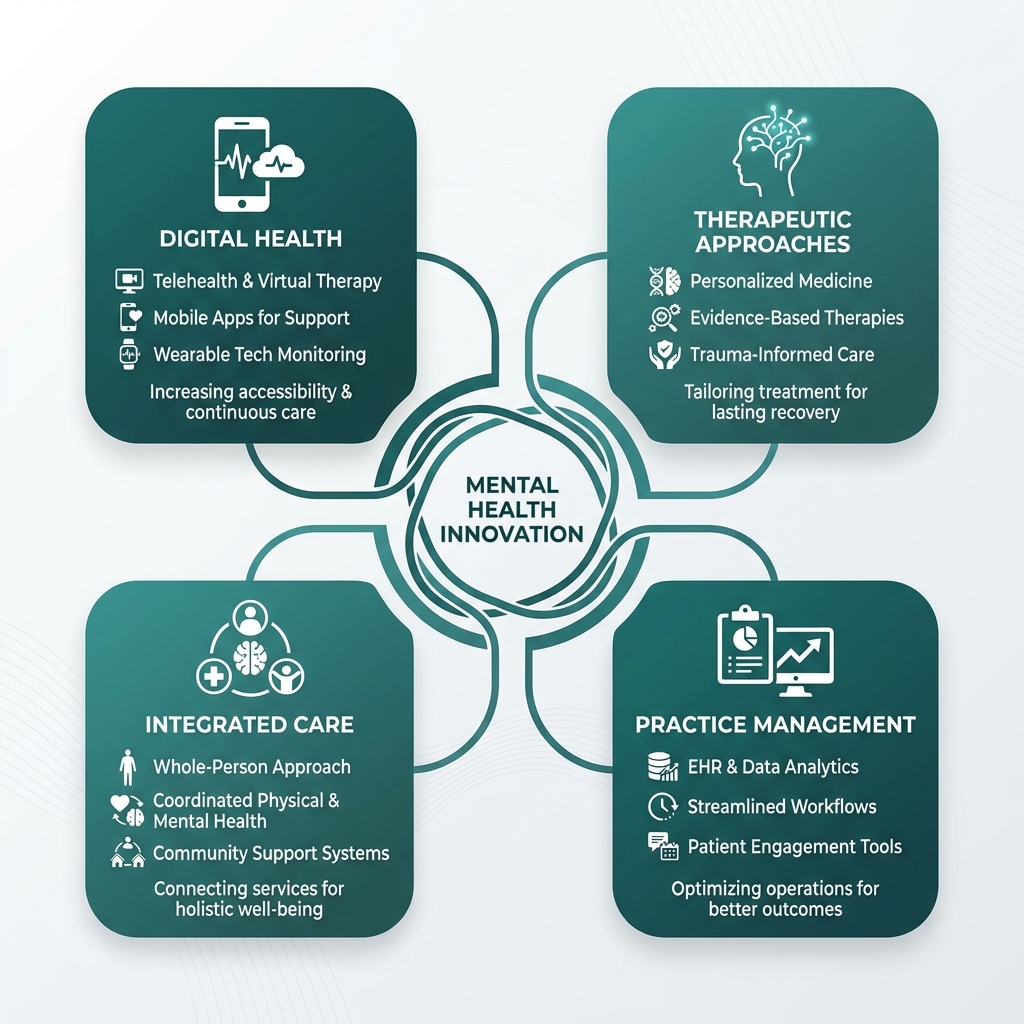
The digital age has ushered in a transformative era for mental health and addiction treatment. Telehealth, in particular, has seen a massive expansion, significantly increasing accessibility to care. This has been especially crucial for individuals in rural areas of East Tennessee, where geographical barriers often limit access to specialized services. Virtual therapy sessions, once a niche offering, have become a mainstream solution, allowing individuals to connect with therapists and support groups from the comfort and privacy of their homes. This not only makes treatment more convenient but also helps overcome the stigma often associated with seeking mental health support.

The Rise of Therapeutic Apps and Wearables
Beyond one-on-one virtual sessions, a proliferation of mental health apps has put tools for wellness directly into people’s hands. These applications offer a diverse range of support, from guided meditation and mindfulness exercises to mood tracking and digital journaling. They can serve as valuable complements to traditional therapy, providing daily support and self-management skills.
Categories of therapeutic apps include:
- Guided Meditation and Mindfulness: Apps like Calm or Headspace offer structured practices to reduce stress and improve focus.
- Mood Tracking and Journaling: These help users identify patterns in their emotional states and triggers.
- Cognitive Behavioral Therapy (CBT) Tools: Apps that provide exercises and thought records based on CBT principles.
- Peer Support Networks: Platforms that connect individuals with shared experiences for mutual encouragement.
- Crisis Support: Apps that provide immediate resources and contact information for mental health crises.
Wearable technology is also playing an emerging role. Devices that monitor stress levels, sleep patterns, and heart rate variability can provide valuable biofeedback data. This information can help individuals and their clinicians gain a deeper understanding of their physiological responses to stress and guide interventions.
AI and Machine Learning in Mental Health
Artificial intelligence (AI) and machine learning (ML) are rapidly advancing, offering powerful tools for mental healthcare. Predictive analytics can help identify individuals at higher risk of crisis, allowing for proactive interventions and potentially saving lives. AI-powered chatbots are being developed to provide initial support, answer common questions, and guide users to appropriate resources, acting as a first line of defense. Furthermore, by analyzing vast datasets, AI can assist in data-driven treatment personalization, helping clinicians tailor therapies to individual needs for greater efficacy. These technologies also hold promise for enhancing diagnostic accuracy, providing clinicians with more comprehensive insights.
Advancements in Therapeutic Modalities
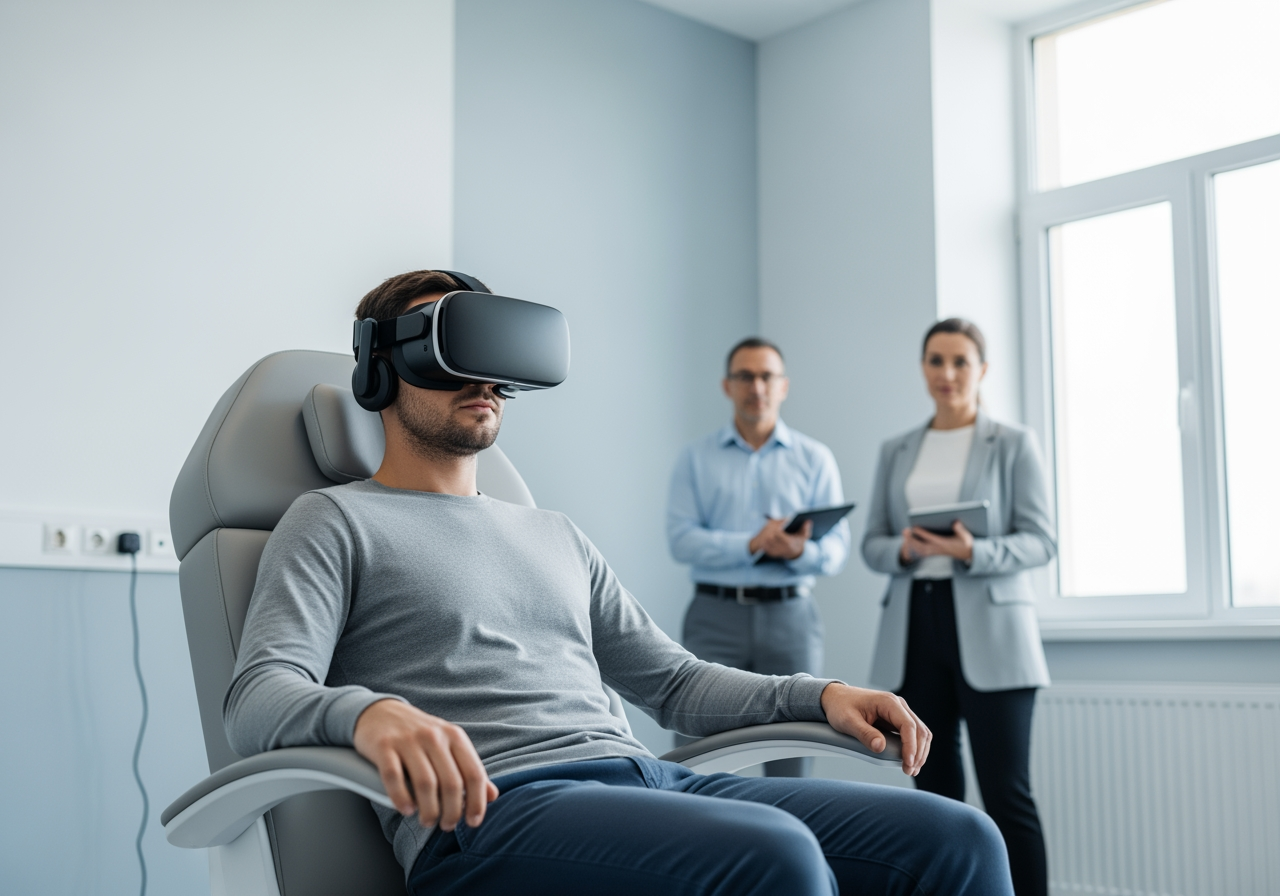
While technology improves access and data, the core of mental health and alcohol addiction treatment remains rooted in therapeutic modalities. We are witnessing a continuous evolution of evidence-based therapies, making them more refined and effective. Digital Cognitive Behavioral Therapy (dCBT), for instance, adapts proven CBT techniques into accessible online formats, often with the same efficacy as in-person sessions. Virtual Reality (VR) is emerging as a powerful tool, especially for exposure therapy in conditions like PTSD or phobias, allowing individuals to safely confront triggers in a controlled environment. Moreover, the integration of trauma-informed care is becoming standard practice, recognizing the profound impact of past trauma on mental health and addiction.
A Key Mental Health Innovation: Holistic and Experiential Therapies
Beyond traditional talk therapy, there’s a growing recognition of the power of holistic and experiential therapies. These approaches aim to heal the whole person—mind, body, and spirit—which is particularly vital for those in recovery from alcohol addiction. Mindfulness-based interventions, such as meditation and mindful movement, help individuals cultivate present-moment awareness and reduce reactivity to cravings or negative emotions. Practices like yoga are increasingly integrated into treatment plans for their ability to improve physical well-being, reduce stress, and foster a stronger mind-body connection. Creative outlets like art and music therapy provide non-verbal ways for individuals to express emotions, process trauma, and develop coping skills. Even unique approaches like equine-assisted therapy offer profound benefits, using interactions with horses to build trust, improve communication, and improve self-awareness. These diverse therapies contribute to a comprehensive healing journey, addressing the multifaceted nature of addiction.
The Frontier of Treatment: Psychedelic-Assisted Therapy
One of the most talked-about and rapidly developing frontiers in mental health treatment is psychedelic-assisted therapy. Renewed clinical research into substances like psilocybin and MDMA is showing promising potential for treating severe conditions such as PTSD, treatment-resistant depression, and even certain addictions. While still largely experimental and subject to strict clinical supervision, these therapies involve carefully controlled administration of psychedelics within a therapeutic setting, guided by trained professionals. This is not for self-administration and requires rigorous research protocols to ensure safety and efficacy. The evolving regulatory landscape is cautiously moving towards making some of these treatments available, offering a guide of hope for individuals who haven’t responded to conventional treatments.
Integrating Care for Co-Occurring Disorders and Personalized Treatment
A significant challenge in mental health and addiction treatment has historically been the prevalence of co-occurring disorders—where an individual struggles with both a mental health condition (like depression or anxiety) and a substance use disorder (such as alcohol addiction). Untreated mental health issues often fuel addiction, and vice versa. This complex interplay highlights the failure of siloed approaches, where addiction and mental health are treated separately. Effective recovery demands an integrated strategy that addresses both conditions concurrently.
A Core Mental Health Innovation: Integrated and Individualized Plans
The most effective treatment models today accept integrated care, recognizing that mental health and substance use disorders are deeply intertwined. This means combining medication management, various forms of therapy, and robust support services into a cohesive, individualized plan. The goal is to provide a true continuum of care, adapting to a person’s evolving needs throughout their recovery journey. Facilities that understand this intricate relationship are vital. For example, an East Tennessee mental health rehab can offer comprehensive models that specifically address co-occurring disorders, ensuring that both the mental health challenges and the alcohol addiction are treated simultaneously for a more sustainable recovery. This holistic approach significantly improves outcomes, as individuals receive custom support that considers their unique circumstances and challenges.
The Role of Family Systems and Community Support
Recovery from alcohol addiction and mental health challenges is rarely a solo journey. Innovations in treatment increasingly recognize the critical role of family systems and community support. Involving loved ones in the recovery process, often through family therapy and educational programs, helps to heal relationships strained by addiction and creates a stronger support network for the individual. Digital tools are also emerging to facilitate family communication and provide resources for those supporting a loved one.
The power of peer support networks, such as Alcoholics Anonymous (AA) or other recovery communities, cannot be overstated. These groups provide a sense of belonging, shared experience, and accountability that is invaluable for long-term sobriety. In East Tennessee, resources like the McNabb Center also emphasize recovery support and peer support as essential components of the recovery journey. Building a strong community around an individual fosters lasting wellness and reduces feelings of isolation, which are often triggers for relapse.
Innovating Practice Management for Better Patient Outcomes
Beyond direct treatment, innovations in practice management are silently but significantly improving patient outcomes. The move towards electronic health records (EHRs) has revolutionized how patient information is managed. Centralized patient information ensures that all members of a care team have access to a complete and up-to-date history, leading to improved care coordination and continuity. Robust data security and privacy measures are paramount in these systems, protecting sensitive patient information.
Streamlining the Patient Journey
The administrative burden of seeking and receiving care can often be a deterrent. Innovations are streamlining the entire patient journey, making it smoother and less stressful. Digital intake and admissions processes reduce paperwork and wait times. Automated insurance verification simplifies what can often be a complex and confusing step, helping individuals understand their coverage for alcohol rehab in East Tennessee. Patient portals empower individuals to manage their appointments, access health information, and communicate securely with their care providers. By reducing administrative problems, these innovations allow individuals to focus more on their recovery and less on logistics, ultimately contributing to a better overall patient experience.
Frequently Asked Questions about Innovations in Mental Health
How is technology making mental health treatment more accessible?
Technology has dramatically expanded access to mental health treatment, especially in areas like East Tennessee. Telehealth platforms allow individuals to connect with therapists and doctors remotely, overcoming geographical barriers and transportation issues. Mental health apps provide self-help tools, guided meditations, and mood tracking, offering support outside of traditional therapy sessions. This increased accessibility also helps to reduce the stigma associated with seeking help, as individuals can receive support discreetly from their own homes. Technology is helping to reach rural and underserved populations who previously had limited options for care.
Are new therapies like psychedelic-assisted therapy safe?
Psychedelic-assisted therapy is a promising area of research, but it is currently conducted under strict clinical supervision and rigorous research protocols. These therapies are not for self-administration and require trained professionals to guide the experience in a controlled environment. The safety of these treatments is paramount, and researchers are carefully studying their effects, potential risks, and long-term outcomes. While the regulatory landscape is evolving, any access to such therapies will be within a highly structured and medically supervised context to ensure patient safety.
How can I know if a treatment provider is using innovative, evidence-based practices?
When seeking treatment for alcohol addiction or mental health concerns in East Tennessee, it’s important to inquire about a provider’s approach. We recommend asking about:
- Treatment Modalities: Do they offer a range of evidence-based therapies like CBT, DBT, or trauma-informed care? Are they incorporating holistic or experiential therapies?
- Approach to Co-Occurring Disorders: Do they have integrated programs for individuals with both mental health and substance use issues? This is a key indicator of comprehensive care.
- Personalized Care Plans: Do they tailor treatment to individual needs, or is it a one-size-fits-all approach?
- Accreditations and Certifications: Look for accreditations from reputable organizations like The Joint Commission, which signify high standards of care.
- Technology Integration: Do they use telehealth, patient portals, or other digital tools to improve access and streamline care?
A commitment to continuous learning and adaptation to new research findings is a strong sign of an innovative and effective treatment provider.
Conclusion
The landscape of mental health and alcohol addiction treatment is undergoing an exciting change. We’ve explored how the digital revolution is enhancing accessibility and personalization, from telehealth and therapeutic apps to the powerful insights offered by AI. Advancements in therapeutic modalities, including digital CBT, VR, holistic approaches, and the cautious exploration of psychedelic-assisted therapy, are expanding our toolkit for healing. Crucially, the move towards integrated care for co-occurring disorders and the strengthening of family and community support systems are creating more robust paths to recovery. Finally, innovations in practice management are streamlining the patient journey, making the process of seeking help less daunting.
This era of innovation brings us closer to a future where mental healthcare is more accessible, personalized, and profoundly effective for everyone. As we continue to accept change and support ongoing research and development, we are building a world where lasting well-being is not just a hope, but an achievable reality for individuals and communities across East Tennessee and beyond.