Innovative Dental Technologies Enhancing Everyday Oral Care
Modern dental care is rapidly evolving, driven by groundbreaking technologies that are transforming both in-office treatments and at-home oral hygiene. Patients today benefit from tools and practices that are more efficient, less invasive, and increasingly accessible. Staying informed about the latest techniques can help anyone prioritize oral wellness and choose the best dentist for their needs, making each dental visit smoother and less stressful.
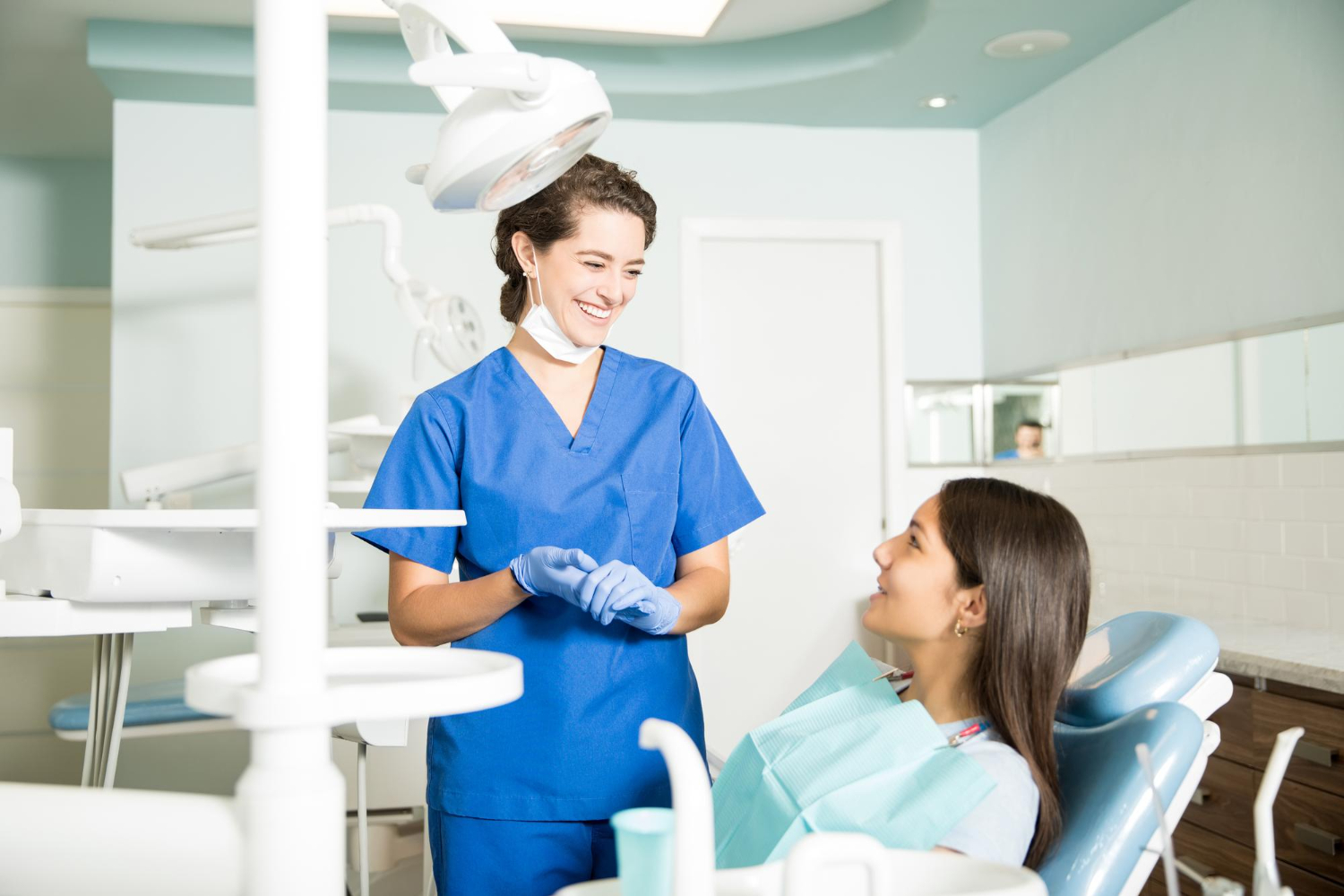
From artificial intelligence guiding diagnoses to technologies that bring care right to your doorstep, dental innovations are raising the standard of care. These technologies not only improve long-term health outcomes but also save time, enhance comfort, and support sustainable practices in clinics and at home.
With a blend of digital advancements and eco-conscious solutions, the dental landscape is shifting in ways that empower both providers and patients. Whether you want to prevent issues, address existing concerns, or seek the most convenient options, the modern dental world delivers extensive solutions tailored to individual needs.
New inventions like 3D-printed appliances, smart toothbrushes, and non-invasive laser treatments are increasingly commonplace in clinics, making it possible for people to access cutting-edge care for both preventive and restorative purposes.
Artificial Intelligence in Dentistry
AI is driving significant change in dental diagnostics and treatment. Integrating machine learning into dental practice has improved the ability to detect issues such as cavities, periodontal disease, and even early signs of oral cancer. These sophisticated systems analyze radiographs and patient data with impressive accuracy, allowing for earlier identification of problems and more personalized treatment plans. AI enables dentists to predict the likely outcomes of different approaches, streamlining decision-making and improving patient outcomes.
AI-driven imaging platforms are already in use across leading dental offices, improving intervention success rates and reducing the risk of misdiagnosis.
Teledentistry: Expanding Access to Care
Teledentistry leverages digital communication tools so patients can consult dental professionals from the comfort of home. Secure video calls support screenings, assessments, and follow-up care, reducing the need for travel and enhancing convenience. This approach is particularly valuable for those in remote communities, individuals with mobility issues, or anyone with a hectic schedule who finds it difficult to arrange in-person appointments.
By utilizing teledentistry, clinics can triage cases, offer prompt advice, and schedule in-person care when necessary, reducing barriers to essential oral healthcare. Industry experts have observed a surge in teledentistry adoption, with projections suggesting its use will continue to expand as technologies improve and more insurers recognize its value.
Laser Dentistry: Minimally Invasive Treatments
Laser technology has become a favored option for various dental procedures due to its accuracy and gentle application. Lasers can be used for cavity treatment, gum reshaping, teeth whitening, and the removal of soft or hard tissue. These devices minimize bleeding, reduce the need for sutures, and cause less post-procedural discomfort than traditional drills and scalpels. Patients can enjoy reduced healing times and a lower risk of infection, making laser dentistry a preferred choice for many modern practitioners.
Leading dental organizations advocate for the continued integration of lasers into practice, noting reduced anxiety and faster patient recovery as key advantages.
Eco-Friendly Dentistry
Dental offices around the world are embracing sustainable practices to reduce their environmental impact. Eco-friendly dentistry incorporates green building materials, energy-efficient lighting, biocompatible dental materials, and digital record-keeping to reduce paper waste. Water-saving devices and responsible disposal systems help minimize pollution. These practices align with the growing commitment to public health and environmental stewardship, ensuring that oral healthcare does not come at the expense of the environment.
3D Printing: Custom Dental Solutions
3D printing has revolutionized the production of dental prosthetics, clear aligners, crowns, bridges, and surgical guides. Dentists can now provide patients with extremely accurate fittings in a fraction of the time it takes traditional fabrication. Custom solutions are designed using digital scans, which are then rendered into detailed models for perfect accuracy, improving comfort, function, and aesthetics for wearers.
This technology has dramatically shortened wait times and made restorative and corrective treatments more accessible and affordable for patients of all ages.
Smart Toothbrushes and At-Home Technology
Daily care is just as important as the treatments performed in a dentist’s office. Smart toothbrushes and digital oral hygiene devices offer valuable feedback and coaching to help users refine their brushing techniques, monitor their habits, and even identify missed spots. These at-home technologies leverage Bluetooth connectivity and mobile apps to deliver personalized care plans, making oral hygiene more interactive, engaging, and effective for children and adults alike.
Incorporating these tools into a daily routine can lead to a noticeable reduction in cavities, gum disease, and other common dental concerns, helping users take proactive control of their oral health.
Conclusion
As dental technologies continue to evolve, both practitioners and patients benefit from safer, more effective, and more comfortable care. Innovations like artificial intelligence, teledentistry, laser treatments, eco-friendly practices, 3D printing, and smart home-care products are propelling oral health into a new era. By seeking practices that embrace these changes and staying informed about new tools, individuals can make well-informed decisions for long-term dental wellness.