The Science of Healthy Hair Growth for Women
Many women strive for healthy, vibrant hair, yet achieving it can be both confusing and overwhelming. Navigating the world of hair care products and tips can be challenging, but understanding the underlying science of hair growth can simplify your decision-making. One powerful way to support your hair goals is by choosing clinically proven women’s hair growth products designed to nourish from within.
Learning about the factors that influence hair health, how hair grows, and proven treatments can help you develop a holistic approach to strong, beautiful hair. Each strand of hair follows a precise, biologically driven cycle, and certain lifestyle and nutrition choices can significantly impact both hair’s strength and longevity. Adopting a science-based hair routine can make a tangible difference for most women, regardless of age or hair type.
While genetics play a substantial role, there are actionable steps everyone can take to foster hair health, from adjusting dietary habits to managing stress and using targeted therapies. Knowledge is central to transforming how you care for your scalp and follicles, making every decision work in your favor toward lasting results. For those experiencing or worried about hair loss, modern advances in both topical and oral treatments mean there are more evidence-backed options than ever.
Besides what you apply externally, prioritizing internal health, your nutrition, stress levels, and hormone balance, can set the stage for ongoing hair vitality. As new research emerges, integrating both timeless advice and innovative therapies can optimize your hair’s appearance and resilience throughout every stage of life.
Understanding the Hair Growth Cycle
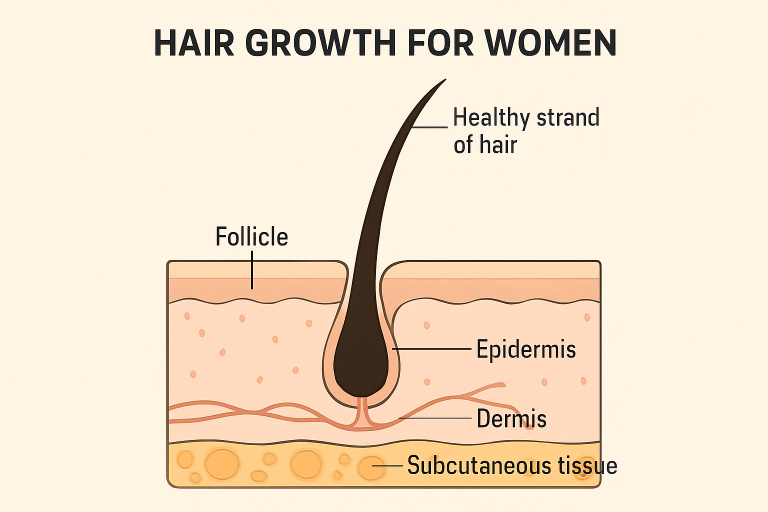
Hair growth is a dynamic process determined by a repeating series of phases. Each phase supports different activities within the follicle, including active growth, rest, and renewal. The three main phases are anagen (growth), catagen (transition), and telogen (rest), which together form a cycle spanning several years.
- Anagen Phase: Lasting two to seven years, this is the period of active hair creation. The follicle is producing new cells that form the hair shaft, and the vast majority of scalp hairs are in this phase at any given time.
- Catagen Phase: This transitional phase typically lasts two to three weeks. During catagen, hair growth slows, and the follicle’s lower portion shrinks slightly to prepare for the next stage.
- Telogen Phase: Hair growth stops for about three months while the follicle rests. At the end of this period, hair naturally sheds, allowing a new anagen phase to begin again.
Disruptions in this cycle, such as a shortened anagen phase or a longer telogen phase, can lead to noticeable thinning or increased shedding. Factors like stress, hormonal changes, or underlying health conditions may trigger these disruptions.
Key Factors Influencing Hair Health
Healthy hair depends on several interconnected factors that influence both its growth rate and resilience. Hormonal balance, scalp health, and genetics all play important roles in how hair looks and feels.
- Hormonal Balance: Sex hormones like estrogen and androgens influence the duration of different hair cycle phases. In women, hormonal shifts from events such as pregnancy, menopause, or thyroid issues can lead to noticeable changes in hair density and texture.
- Scalp Health: A clean, nourished scalp creates an ideal environment for follicles to thrive. Regular washing, gentle exfoliation, and avoiding buildup protect the scalp from issues like dandruff and inflammation that can hinder hair growth.
- Genetics: Hereditary factors largely determine the size of your hair follicles and the number of active hair-producing cells. If thinning or early loss runs in your family, proactive measures may help maintain scalp density as you age.
Nutritional Insights for Stronger Hair
Nutrition remains one of the most modifiable contributors to hair vitality. Hair is mostly keratin, a protein that requires dietary building blocks to form. Without proper nourishment, new hair is more likely to be weak, brittle, or slow-growing.
- Proteins: Lean meats, eggs, legumes, and nuts are all rich in protein, which drives the keratinization process behind every healthy strand.
- Vitamins and Minerals: Micronutrients such as vitamin D, B vitamins (particularly biotin), iron, and zinc are essential for cellular repair and for controlling hair loss. Even small nutrient deficiencies can contribute to hair thinning, so it is important to include a diverse, balanced diet.
Recent research has linked sugar-sweetened beverages and high alcohol consumption to an increased risk of hair loss, while plant-based foods such as soy and antioxidant-rich vegetables may enhance hair quality.
Effective Treatments and Therapies
The market for hair growth treatments continues to grow, with both pharmaceutical and cosmetic options receiving attention. Not every method works the same for every person, so finding the right combination of science-backed therapies can take time and patience.
- Minoxidil: This long-standing topical and now oral medication is considered a first-line treatment for many types of hair loss in women. Low-dose oral minoxidil has gained popularity due to its ease of use and promising clinical results.
- Low-Level Laser Therapy (LLLT): LLLT applies specific wavelengths of light to the scalp in an effort to stimulate dormant follicles and improve thickness. This noninvasive technology is supported by several clinical studies demonstrating its safety and efficacy in both men and women. For a comprehensive review, refer to this systematic review on PubMed.
- Peptide-Based Products: Once popular in skincare, peptides are now being formulated in hair products to support collagen and keratin synthesis, improving both strength and resilience in thinning hair.
Lifestyle Habits to Support Hair Growth
Certain lifestyle choices can help you achieve maximum results from your hair care plan. Regularly incorporating these habits may optimize the benefits of other nutritional or topical therapies.
- Regular Scalp Massages: Massaging your scalp for a few minutes daily increases microcirculation and may promote faster growth.
- Stress Management: Elevated stress hormones can slow growth or prolong the shedding phase. Activities like meditation, yoga, or even regular exercise can help restore hormonal balance.
- Avoiding Harsh Treatments: Limiting heat styling and chemical services helps prevent breakage, protects the hair cuticle, and preserves moisture and elasticity.
Conclusion
Building your hair care regimen around the latest science creates the best foundation for long-lasting results. By understanding the hair growth cycle and key influencing factors, focusing on nutrition, and selecting evidence-backed treatments, women can significantly enhance and maintain healthy, beautiful hair throughout their lives. Thoughtful habits and smart choices today can set the stage for confident hair health tomorrow.