Leg Care 101: Keep Your Legs Strong, Healthy, and Pain-Free
Your legs are big parts of your daily life. Carrying you through standing, walking, and physical activity, yet their health is often neglected until discomfort, weakness, or health issues pop up. Strong legs are important for your mobility, balance, and overall well-being. In this blog, we will look at some tips for maintaining them and keeping them strong while also looking at some preventative measures against common issues like varicose veins.
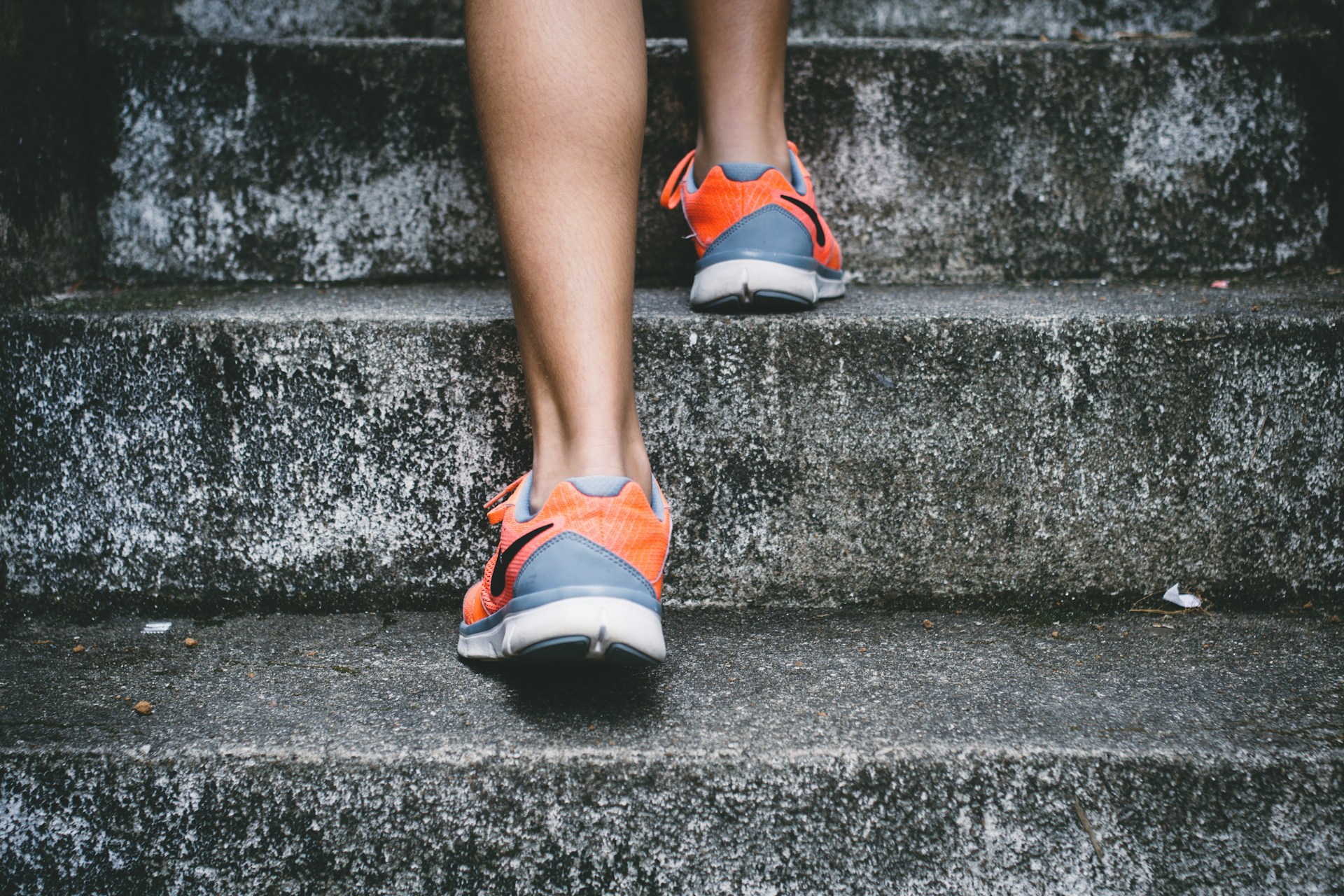
Building Stronger Legs for an Active Lifestyle
Building stronger legs is not just about looking good. They’re important to help with easy movement and preventing injuries in everyday activities.
Exercise for Strength and Endurance
Regular physical activity is at the center of leg health. Targeting muscle groups in your legs, such as quadriceps, hamstrings, calves, and glutes, with activities such as squats, lunges, and calf raises are great ways to build strength, while activities like brisk walking, cycling, and swimming can build endurance. Resistance training may also improve your muscle tone and power for an all-over boost, not only benefiting legs alone.
Stretching for Flexibility
Don’t underestimate the power of stretching. Flexible muscles are more resistant to strain and promote better posture. After workouts, take some time out for stretching major muscle groups in your legs. Yoga and Pilates can both be great ways to build flexibility as well as increase your balance and stability.
Preventing and Managing Varicose Veins
Varicose veins, the raised and swollen blood vessels often visible just beneath the skin, are an incredibly common but avoidable affliction that may cause discomfort and even more serious health concerns if left unmanaged. Understanding how to best deal with varicose veins is important to maintaining healthy legs that are free of pain.
Stay Active to Improve Circulation
Prolonged sitting or standing increases the risk of varicose veins due to poor circulation. Stay active through physical activities that keep the blood flowing freely, such as taking short walks throughout the day or performing desk stretches if your job requires sitting all day.
Compression and Elevation
Compression stockings can be a great tool for treating varicose veins, helping squeeze the veins together to enhance the blood flow and decrease swelling. Elevating your legs after long hours of standing may also reduce the swelling.
Non-Surgical Varicose Vein Treatments
For those looking for noninvasive ways to manage varicose veins, there are several effective options. Sclerotherapy is one such solution, which uses injections injected into affected veins to collapse them over time and eventually fade. Laser therapy offers another non-invasive solution for varicose or spider veins that involves focused light energy to close off smaller varicose or spider veins. Radiofrequency ablation (RFA) and endovenous laser therapy (EVLT) are advanced techniques that use heat to seal off problematic veins, redirecting blood flow towards healthier vessels.
Conclusion
Maintaining healthy legs isn’t only about appearance but also an investment in your long-term health and mobility. From strengthening exercises to stretching routines to non-surgical varicose vein treatments, there are plenty of things you can do to support them and ensure they serve you for many years ahead. Treat them right and they’ll see you through life.