Daily Habits for Lifelong Healthy Teeth
Maintaining a radiant smile is more than just an aesthetic pursuit. It is a fundamental part of your overall health, setting the stage for well-being in the years ahead. Practicing consistent and simple habits each day can help you safeguard your oral health and keep your teeth strong for a lifetime. Whether you are seeking to recover your oral function with modern solutions like dental implants or simply striving to preserve your natural teeth, these routines become even more crucial as you age. Small steps, taken consistently, can yield big results for your long-term dental health. Good habits not only prevent cavities and gum disease, but they also support your body’s immune system. They can help you avoid serious health issues linked to poor oral hygiene, such as heart disease and diabetes. In this guide, you will find actionable strategies to seamlessly incorporate into your everyday life for a lifetime of healthy teeth and gums.
Brushing Techniques
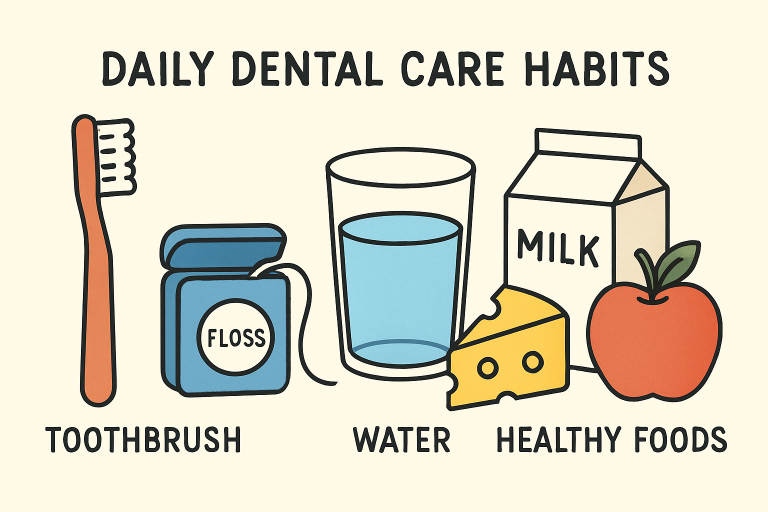
Brushing your teeth twice daily is non-negotiable for anyone committed to strong oral health. Select a soft-bristled toothbrush and fluoride toothpaste, and dedicate a full 2 minutes each time you brush. Use gentle, circular motions, making sure to cover the outer, inner, and chewing surfaces of every tooth. Replace your toothbrush every 3 to 4 months, or sooner if the bristles are visibly worn or frayed. This daily practice removes harmful plaque and bacteria, significantly reducing your risk of tooth decay and gum inflammation. According to the Centers for Disease Control and Prevention, consistent brushing is the first and most important step in keeping your mouth and overall body healthy.

Importance of Flossing
Brushing alone cannot reach every surface in your mouth. Flossing at least once a day dislodges food particles and plaque from between teeth and along the gumline, where many cavities and cases of gum disease originate. If you have trouble using traditional dental floss, consider alternatives such as water flossers or small interdental brushes, which can be more comfortable and just as effective. Maintaining this habit will not only help prevent cavities and gingivitis but will also promote fresher breath and healthier gums.
Choosing the Right Toothpaste
The choice of toothpaste matters for your oral care routine. Always select a fluoride toothpaste, as fluoride helps reinforce enamel and protect teeth from decay by remineralizing weak spots before they develop into cavities. Take care to avoid toothpastes with abrasive additives, which can erode enamel and lead to sensitivity over time. Verify that your toothpaste carries the American Dental Association (ADA) Seal of Acceptance, which guarantees the product’s efficacy and safety for daily use. Experts worldwide recommend using fluoride toothpaste, underscoring its role as a critical component of modern dental care.
Dietary Choices
Your eating habits influence not only your waistline but also your oral health. Incorporate calcium-rich foods such as milk, cheese, and yogurt to help strengthen enamel. Crunchy fruits and vegetables such as apples, carrots, and celery naturally clean tooth surfaces while increasing saliva flow, which helps neutralize acids produced by bacteria. Limit your intake of sugary and sticky foods, as frequent exposure to sugar can feed harmful bacteria and accelerate tooth decay. Consider how often you snack or sip on sweet drinks throughout the day; each exposure allows acids to attack your enamel. Making conscious, tooth-friendly nutritional choices promotes healthier teeth in the long run.
Hydration and Oral Health
Drinking water performs several protective roles for your mouth. It helps clear food residue, reduces acid buildup, and supports saliva production—your body’s built-in way of protecting teeth from decay. If you drink beverages like coffee, soda, or sports drinks, rinse your mouth with water afterward to counteract the acids that can wear down enamel over time. Proper hydration each day helps shield teeth and gums from unnecessary harm and maintains a moist, comfortable oral environment.
Regular Dental Checkups
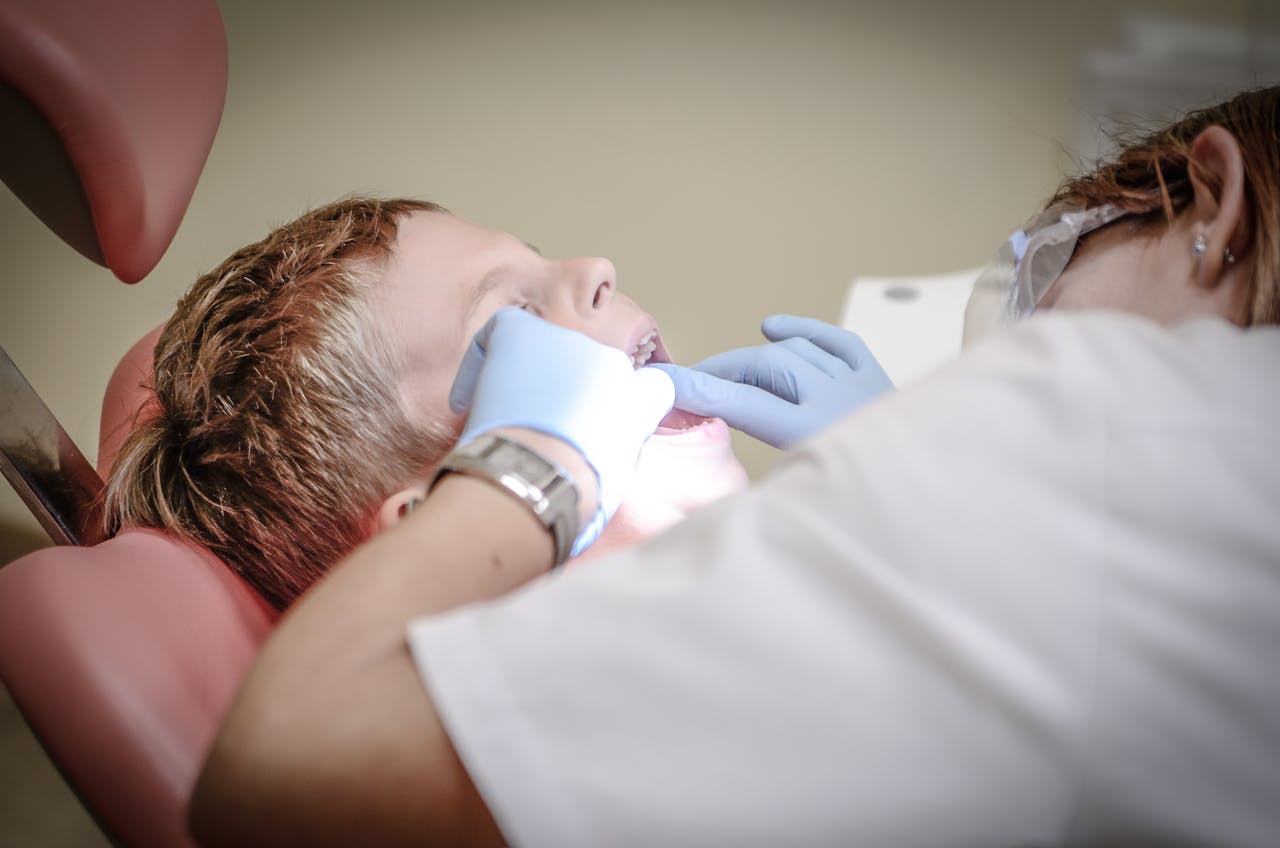
Even if your teeth feel fine, visiting the dentist twice a year is essential for preventing, identifying, and addressing dental issues before they become serious. Routine checkups include a thorough examination and professional cleaning to remove tartar that brushing and flossing cannot dislodge. Your dentist can recommend personalized care and intervene early, reducing your risk of complicated (and often costly) treatments down the road. Skipping regular appointments can let minor issues progress to major problems, so keep these visits a permanent fixture in your health routine.
Avoiding Harmful Habits
Some habits directly undermine your dental health. Smoking and excessive alcohol consumption are major culprits in staining teeth, contributing to gum disease, and increasing the risk of oral cancers. Avoid using your teeth to open packages or bottles, which can chip or crack them. Commit to breaking these habits if you have them, and your teeth will thank you for years to come.
Educating Children
The foundation for healthy adult teeth begins in childhood. Teach children to brush and floss daily, eat a balanced diet, and drink plenty of water. Establish regular dental visits early and set a good example by prioritizing your own dental habits. Early intervention and education encourage kids to adopt these routines with confidence, setting them up for lifelong oral health. By embracing these daily practices, you strengthen not just your smile but your entire body’s health and resilience. A healthy mouth truly serves as a gateway to overall well-being, making each small effort worthwhile for many years to come.
Conclusion: Building Lifelong Oral Health
Maintaining strong, healthy teeth and gums requires consistent daily care and informed choices. By combining proper brushing techniques, regular flossing, fluoride toothpaste, and tooth-friendly nutrition with hydration, routine dental visits, and avoidance of harmful habits, you lay the foundation for long-term oral wellness. Educating children ensures these healthy practices continue across generations. Each of these steps works together to prevent cavities, gum disease, and other complications, while supporting overall health. Committing to these routines not only preserves your smile but also enhances your quality of life, reduces the need for costly treatments, and fosters confidence. Ultimately, a proactive approach to dental care empowers you and your family to enjoy vibrant oral health for years to come.