How to Integrate Hydrotherapy Into Your Home Routine
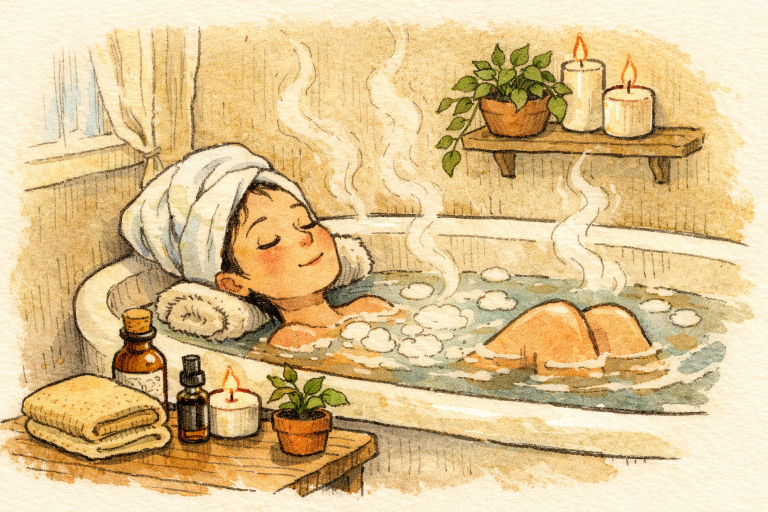
Table of Contents
- Understanding Hydrotherapy
- Physical Health Benefits
- Mental Health Benefits
- Incorporating Hydrotherapy at Home
- Safety Considerations
- Conclusion
Hydrotherapy, the therapeutic use of water for healing and relaxation, is a time-honored approach that continues to find relevance in modern home wellness routines. Many people are discovering they can enjoy the benefits of hydrotherapy without leaving home, whether through simple warm baths, contrast showers, or investing in home spa equipment like Bullfrog Spas in Salt Lake City. The allure of water therapy lies in its ability to improve both physical health and mental well-being in ways that are accessible and easy to maintain over the long term.
By bringing hydrotherapy into your home, you open the door to a range of health benefits. These include pain relief, better joint mobility, enhanced circulation, and significant mental health improvements such as stress reduction and deeper, more restful sleep. Home-based hydrotherapy options are versatile and can be tailored to suit any lifestyle, making it easy for individuals and families to incorporate wellness into their everyday lives.
Modern hydrotherapy does not have to be complicated or costly. Simple at-home practices, such as soaking in a warm bath or alternating hot and cold in your daily shower, can provide relaxing and rejuvenating effects. As you explore your options, consider both your personal needs and the health goals you wish to achieve through water therapy. With a thoughtful approach, you can design a hydrotherapy regimen that fits seamlessly into your schedule.
Many health experts, including those at the Mayo Clinic, emphasize the role of hydrotherapy in non-drug pain management and rehabilitation. The guidance of reputable institutions helps reinforce the safety and efficacy of this practice, making it a trusted addition to any holistic health plan.
Understanding Hydrotherapy
Hydrotherapy involves various treatments that use water at different temperatures or pressures to stimulate the body’s natural healing processes. From warm baths that ease muscle tension to invigorating contrast showers, there is a hydrotherapy technique suitable for everyone. The benefits stem from water’s ability to provide buoyancy, reduce bodily strain, and affect circulation and inflammation.

Physical Health Benefits
- Pain Relief: Submerging in warm water can relax tense muscles and lessen joint discomfort, making it ideal for people with arthritis, muscle injuries, or chronic pain. Buoyant environments support movement and help relieve pressure on the skeleton and connective tissue.
- Improved Circulation: Warm water helps dilate blood vessels, boosting circulation and promoting faster healing after exercise or injury. The enhanced flow of oxygenated blood helps reduce inflammation and encourages cell repair.
- Enhanced Mobility: Water-supported exercise provides a gentle yet effective option for those recovering from injury or facing mobility challenges. Activities performed in water are less likely to result in strain or further damage, making it a safe choice for rehabilitation.
Mental Health Benefits
- Stress Reduction: Hydrotherapy’s relaxing properties calm the nervous system, reducing anxiety and promoting a sense of well-being. The simple act of soaking in warm water can trigger the release of endorphins and lower the body’s stress hormones.
- Better Sleep Quality: A warm bath or spa session in the evening can help regulate the body’s temperature and promote more restful, uninterrupted sleep. Regular hydrotherapy can ease insomnia and improve overall sleep hygiene for many individuals.
Incorporating Hydrotherapy at Home
Introducing hydrotherapy into your home wellness routine does not require extensive remodeling or expensive equipment. Here are some accessible ways to integrate water therapy into daily life:
1. Warm Baths
A traditional remedy for sore muscles and daily stress, warm baths are a staple of home hydrotherapy. Soaking in a tub for 20-30 minutes can relax both the body and mind. For enhanced relaxation, consider adding Epsom salts, which may help reduce inflammation, or a few drops of an essential oil such as lavender or eucalyptus.
2. Contrast Showers
Switching between hot and cold water during your shower routine can invigorate circulation and awaken the senses. Start with several minutes under warm water, then switch to a cooler temperature for 30 seconds, then repeat. This technique helps stimulate blood flow, awaken your body, and can even boost mood and alertness.
3. Home Spa Equipment
If you are looking for an immersive hydrotherapy experience, consider investing in home spa equipment, such as whirlpool baths or hot tubs. These systems often provide adjustable jets and precise temperature controls, allowing you to tailor each session to your preferences. The inclusion of home spa equipment can transform any bathroom or outdoor space into a relaxing retreat.
Safety Considerations
- Always consult your healthcare provider before beginning any new therapy, especially if you have heart problems, high blood pressure, or other preexisting conditions.
- Monitor water temperature carefully. The ideal range for therapeutic purposes is typically 92-100 degrees Fahrenheit to avoid burns or overheating.
- Limit time spent in hot water and remember to hydrate, as prolonged hydrotherapy sessions can lead to dehydration or skin irritation.
Conclusion
Integrating hydrotherapy in your home wellness regimen can bring a host of physical and psychological benefits. Whether you prefer the simplicity of warm baths and contrast showers or opt for a more advanced setup with specialized spa equipment, water therapy is a flexible, attainable, and effective way to enhance your quality of life. Take the time to explore the water-based options that best suit your needs, and consult resources like Harvard Medical School for deeper insight into safe and effective hydrotherapy practices.