Seasonal Pest Prevention Checklist for Every Home

Why Seasonal Pest Planning Helps
Pest activity changes with the seasons, making year-round prevention more effective than waiting for an infestation to spread. Ants may appear more frequently as spring brings moisture and accessible food, while mosquitoes become more active in warm conditions with standing water. Rodents may also move indoors when temperatures drop in search of shelter. Resources such as pointepestcontrol.com can help homeowners understand seasonal pest patterns and plan appropriate prevention before activity becomes widespread.
Seasonal maintenance also makes pest prevention more manageable. Homeowners can focus on a few important tasks at a time, such as cleaning gutters in spring or sealing exterior gaps in fall. For homeowners who need help evaluating recurring activity or hard-to-reach areas, professional pest prevention options can support a broader maintenance routine.
The most reliable approach combines inspection, sanitation, repairs, and monitoring. This reflects the basic idea behind integrated pest management, which emphasizes accurate identification and reducing access to food, water, and shelter before resorting to treatments. The integrated pest management approach for homes and landscapes is especially useful because it treats prevention as an ongoing process rather than a one-time chore.
A seasonal checklist is not meant to make a home completely inaccessible to every insect or animal. It is designed to reduce the conditions that make a property attractive, while making early warning signs easier to spot and address.
Winter Home Checks
Cold weather does not always stop pest activity. Attics, crawl spaces, basements, garages, and wall voids can offer warmth and protection. Winter is an ideal time to inspect quieter areas of the home because outdoor landscaping work is often less demanding.
Winter Checklist
- Inspect attics for droppings, nesting material, chewed items, or disturbed insulation.
- Check weather stripping around exterior doors and replace worn door sweeps.
- Seal gaps around pipes, utility lines, vents, and foundation openings.
- Store firewood away from the home and raise it off the ground.
- Clean crumbs, spills, and expired food from pantries and cabinets.
- Look for moisture near water heaters, laundry equipment, and basement walls.
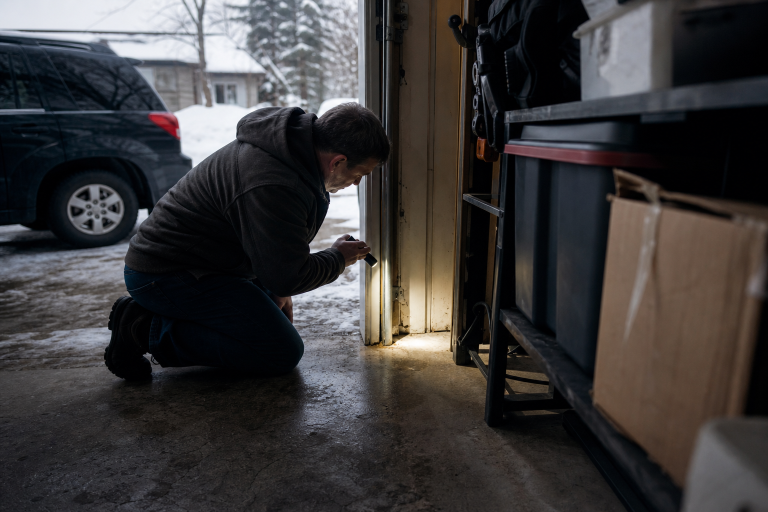
Also inspect window screens, garage door edges, crawl-space covers, and stored boxes. A small opening or neglected storage area can become a dependable route or hiding place for pests.
Spring Pest Prevention
Spring brings new plant growth, rain, and warmer temperatures. These conditions can increase ant activity, encourage breeding insects, and create concealed shelter around the exterior of a home. Early outdoor maintenance can limit many of those opportunities.
Spring Tasks To Complete
- Walk around the foundation and check for cracks, loose sealant, and damaged siding.
- Clear leaves and organic debris from drainage areas and window wells.
- Clean gutters and downspouts so water drains away from the structure.
- Trim shrubs and tree limbs that touch siding, windows, or rooflines.
- Watch for ant trails near kitchens, bathrooms, doors, and pet feeding areas.
- Inspect sheds, play equipment, planters, and outdoor storage bins.
Gardeners should check plants, pots, and outdoor furniture before moving them indoors. Small insects and egg cases can travel unnoticed, particularly when items have been stored near dense vegetation or mulch.
Summer Yard And Home Care
Summer pests benefit from heat, humidity, outdoor meals, and extra water sources. Mosquitoes may develop in surprisingly small amounts of water, including flowerpot saucers, buckets, clogged drains, tarps, and children’s toys left outdoors after rain.
Summer Prevention Steps
- Empty containers that collect rainwater at least once each week.
- Keep garbage lids closed and clean food residue from outdoor bins.
- Repair torn screens before regularly opening doors and windows.
- Store pet food in sealed containers and avoid leaving it outdoors overnight.
- Remove fallen fruit from lawns, patios, and garden beds.
- Keep grass trimmed and reduce dense vegetation beside the home.
- Check eaves, sheds, and play areas for wasp or bee nesting activity.
Do not disturb a nest near a doorway, play space, or utility equipment without considering the risk. Keep children and pets away from the area, especially if stinging insects appear unusually active or the nest is difficult to reach safely.
Fall Rodent And Insect Prevention
Fall is a critical preparation period because many pests begin seeking protected indoor spaces. Focus on closing gaps, reducing clutter, and removing food sources before colder weather arrives to make a home more appealing.
Fall Checklist
- Seal gaps around garage doors, foundation joints, pipes, and cable lines.
- Repair damaged soffits, roof edges, vent covers, and screens.
- Move stored materials away from garage and basement walls.
- Cut back plants that touch the roof, siding, or exterior vents.
- Clean grills and outdoor eating areas to remove grease and crumbs.
- Inspect holiday decorations and storage containers before bringing them inside.
- Keep birdseed, pet food, and animal feed in durable, tightly sealed containers.
Rodent evidence can include droppings, shredded paper, greasy rub marks, scratching sounds, and gnaw marks. If droppings are found, follow safe cleanup steps for rodent waste instead of sweeping or vacuuming dry material, which can stir contaminated particles into the air.
Common Entry Points To Inspect
A complete inspection should include lower exterior areas, roofline features, and hidden interior utility spaces. Pests frequently use openings that are easy to miss during routine cleaning.
Outside The Home
- Foundation cracks and gaps beneath siding
- Openings around pipes, cables, and outdoor faucets
- Loose door sweeps and damaged thresholds
- Torn window screens and unprotected vents
- Roof, soffit, chimney, and fascia gaps
Inside The Home
- Spaces beneath sinks and behind appliances
- Cracks near baseboards and flooring transitions
- Openings around laundry, furnace, and water heater lines
- Pantry shelves with spilled food or damaged packaging
- Attic insulation or stored items with nesting material
Safe Pest Prevention Practices
Start with nonchemical measures whenever possible. Remove attractants, repair access points, and monitor the affected area before choosing a treatment. If a product is necessary, read and follow the label exactly, and keep children, pets, food, and food-contact surfaces protected.
A Practical Order Of Operations
- Identify the pest or the signs it leaves behind.
- Find the food, water, shelter, or entry point involved.
- Clean the area and repair likely access points.
- Monitor for continued activity over the following days.
- Choose a targeted treatment only if it fits the situation.
Warning Signs That Need Attention
- Repeated insect sightings in the same room
- New droppings in cabinets, attics, garages, or basements
- Chewed food packages, wiring, or stored belongings
- Scratching sounds in walls, ceilings, or crawl spaces
- Wood damage, mud tubes, discarded wings, or unusual odors
- Clusters of insects near windows, lights, drains, or vents
Common Questions
How Often Should A Home Be Checked For Pests?
A basic inspection each season is a sensible starting point. Older homes, properties near wooded areas, and homes with previous pest issues may benefit from more frequent checks.
Does A Clean Home Still Need Pest Prevention?
Yes. Cleanliness reduces available food, but pests can still enter through damaged screens, plumbing openings, roof gaps, and foundation cracks.
When Is Professional Help Worth Considering?
Consider professional assistance when activity continues after repairs, pests are inside walls or electrical areas, or stinging insects, rodents, termites, or other difficult pests are involved.
Final Thoughts
A seasonal pest plan does not need to be complicated. A few focused checks each quarter can reveal moisture problems, clutter, damaged seals, and other conditions that invite pests. By pairing routine maintenance with early monitoring, homeowners can reduce surprises and address small concerns before they become costly problems.
Post HTML