Why Do I Get Cavities If I Brush and Floss?
Key Takeaways
- Brushing and flossing are essential, but cavities can still form when other risk factors are present.
- Frequent snacking, sugary or acidic drinks, dry mouth, and difficult-to-clean tooth surfaces can raise the risk.
- Fluoride, daily cleaning between teeth, water, and regular dental visits all support cavity prevention.
- A cavity is not a sign of failure. It is a health concern that can often be addressed with targeted changes.
Finding out that you have a cavity can feel frustrating when you brush twice a day and floss regularly. A visit with a Hampton dentist can help identify the specific reasons decay is developing, because oral hygiene is only one part of the cavity-risk picture. Tooth decay usually develops from several factors working together over time. Brushing removes plaque from many surfaces, but diet, saliva flow, enamel strength, tooth shape, dental work, and daily habits can still create conditions that allow acids to weaken teeth.
How Tooth Decay Starts
Bacteria in the mouth feed on sugars and starches left behind after eating or drinking. As they process those carbohydrates, they produce acids that dissolve minerals in enamel, the hard outer layer of a tooth. Early damage may appear as a weak or chalky area, while a true cavity is a permanent hole in the tooth. Repeated acid exposure matters. For example, sipping sweet coffee, soda, juice, or sports drinks throughout the afternoon can give bacteria many opportunities to produce acid. Fluoride can strengthen enamel and help reverse very early decay before a cavity fully forms, but it cannot rebuild tooth structure once a hole has developed.
Hard-To-Reach Areas Can Hold Plaque
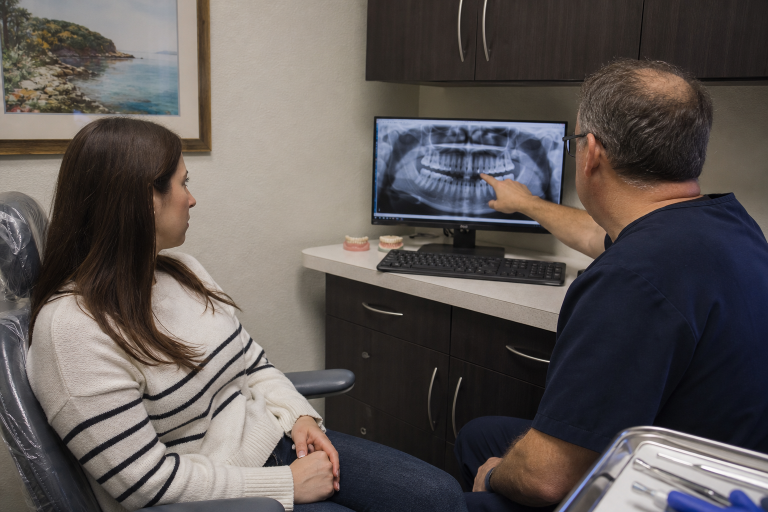
Back teeth, deep chewing grooves, the gumline, and tight spaces between teeth are common places for decay to begin. Toothbrush bristles may not fully reach narrow pits or overlapping teeth, even with consistent brushing. Floss, interdental brushes, or a water flosser can improve cleaning between teeth, depending on your needs. Dental exams and X-rays can also reveal decay that is hidden between teeth or around older dental work. A cavity may be developing long before it becomes visible in a mirror or causes discomfort.
Meal Timing and Drinks Can Raise Cavity Risk
What you consume matters, but how often you consume it matters too. Frequent grazing, bedtime snacks, candy kept in the mouth, and all-day sipping give the mouth less time to recover from acid attacks. Whenever practical, enjoy snacks with meals and choose plain water between them. Soda, sweet tea, flavored coffee, juice, energy drinks, sports drinks, and many sparkling beverages can be especially challenging for teeth. Sugar feeds bacteria, while acid can directly soften enamel. The federal guidance on foods and drinks that affect oral health recommends limiting sugary beverages, drinking water throughout the day, and rinsing with water after acidic foods or drinks.
- Limit slowly sipping sweet or acidic drinks.
- Choose water as the usual between-meal drink.
- Rinse with water after citrus, soda, or other acidic choices.
- Save sweets for mealtimes instead of repeated snacking.
Dry Mouth Changes the Risk Picture
Saliva does much more than keep the mouth comfortable. It washes away food particles, helps neutralize acids, and supplies minerals that support enamel repair. When saliva flow is low, teeth can become more vulnerable to decay, especially near the gumline. Dry mouth may be related to dehydration, mouth breathing, certain prescription or over-the-counter medicines, some health conditions, or age-related changes. A sticky feeling, frequent thirst, trouble swallowing dry foods, or difficulty speaking can all be signs. Persistent dry mouth is worth discussing with a dentist or medical professional.
Brushing Technique Still Matters
More pressure does not mean a better clean. In fact, aggressive brushing may wear enamel or contribute to gum recession. Use a soft-bristled toothbrush, fluoride toothpaste, and gentle pressure along the gumline. Brush for about two minutes twice a day, covering the outer, inner, and chewing surfaces of every tooth.
- Brush twice daily with fluoride toothpaste.
- Replace worn toothbrushes or brush heads.
- Clean between teeth once daily.
- Ask for a technique review if cavities keep appearing.
Enamel, Tooth Shape, and Dental Work Matter
Some people naturally have deep grooves, crowded teeth, lower saliva flow, or enamel that is more prone to wear. Family history can influence risk, but it does not determine the outcome. These factors mean prevention may need to be more personalized. Older fillings, crowns, bridges, and other restorations also need monitoring. Over time, edges can wear down or develop tiny gaps where plaque collects. Recurring decay around the same tooth may point to a deep groove, a restoration issue, or an area that needs extra attention.
Grinding and Clenching Can Weaken Teeth
Grinding or clenching can flatten chewing surfaces, chip edges, and create small cracks that make teeth more sensitive and harder to protect. Morning jaw soreness, headaches, chipped teeth, and sensitivity may be clues. A dental professional can evaluate whether a night guard or another treatment is appropriate.
Practical Steps to Lower Cavity Risk
- Brush twice daily and clean between teeth every day.
- Drink more water, especially between meals.
- Reduce frequent sugar and starch exposure.
- Avoid lingering over sweet or acidic beverages.
- Address ongoing dry mouth.
- Ask about fluoride options if you have repeated cavities.
- Keep recommended exams and cleanings.
- Treat early decay before it grows into a larger problem.
When to Schedule a Dental Visit
Schedule an appointment if you notice new sensitivity to cold, heat, or sweets; pain while biting; dark spots; visible holes; a broken filling or crown; repeated cavities in one area; or persistent dry mouth. Swelling, fever, severe pain, or a bad taste in the mouth can require more prompt attention.
Decay does not always hurt in its early stages. Finding a problem sooner may allow for simpler treatment and may help preserve more of the natural tooth.
Frequently Asked Questions
Can I get cavities if I brush twice a day?
Yes. Brushing is vital, but frequent sugar exposure, acidic drinks, dry mouth, tooth shape, enamel wear, and dental restorations can also contribute to decay.
Does flossing prevent every cavity?
No. Flossing helps clean areas a toothbrush may miss, but it works best as part of a broader routine that includes fluoride, healthy drink choices, and professional care.
Are sugar-free drinks safe for teeth?
Not always. Sugar-free drinks may not feed bacteria in the same way, but acidic options can still weaken enamel when consumed often.
Why do cavities keep appearing in the same teeth?
Deep grooves, crowded teeth, dry mouth, grinding, and worn fillings can make certain teeth more vulnerable. A focused exam can help identify the pattern.
Conclusion
Brushing and flossing remain the foundation of cavity prevention, but they are not the entire answer. By looking at meal timing, drinks, saliva flow, enamel wear, tooth shape, and prior dental work, you can build a more effective plan to protect your smile. Limiting frequent sugary snacks and acidic beverages can help reduce repeated acid exposure, while drinking water throughout the day may support a healthier oral environment. Fluoride toothpaste and regular dental checkups can also help identify early signs of decay and areas that need additional attention. If you experience dry mouth, sensitivity, or recurring cavities, discuss these concerns with your dentist, as they may affect your prevention strategy. Small changes based on your individual risk factors can make daily care more effective. With consistent habits and professional guidance, you can better protect your teeth and reduce the likelihood of future cavities.