How to Build a Simple Scalp-Focused Routine That Actually Works

Hair care is no longer focused only on shine, volume, or styling. A scalp-first approach begins with the skin beneath the hair, then builds a routine around its actual needs. For brands and product developers, working with a private label cosmetics manufacturer can also help turn this consumer interest into purposeful formulas rather than a collection of trend-driven claims.
The idea is simple: hair grows from follicles in the scalp, so scalp comfort, cleanliness, and balance deserve attention. That does not mean every routine needs exfoliating serums, masks, oils, and multiple treatments. It means choosing a few products with clear jobs and using them consistently enough to see how the scalp and hair respond.
The Scalp-First Shift
Scalp-first care treats the scalp as skin, not just as the place where hair happens to grow. Shoppers increasingly look for scalp cleansers, targeted shampoos, lightweight leave-in treatments, exfoliating products, and soothing masks. The shift reflects the wider overlap between skin care and hair care, but the best routines still prioritize comfort and practicality over a crowded bathroom shelf.
Every scalp produces oil, collects sweat and environmental debris, and encounters styling products. The everyday scalp-care guidance from dermatologists reinforces the value of gentle habits that support both scalp comfort and healthy-looking hair.
Why Scalp Health Matters
The scalp is living skin with oil glands, a protective barrier, and hair follicles. When it feels tight, greasy, itchy, or coated in residue, the issue may be less about the conditioner on the ends and more about what is happening at the roots. Product buildup, infrequent cleansing, aggressive scrubbing, dryness, friction, and heavy styling can all affect how the scalp feels.
A balanced scalp does not have to feel squeaky clean. In fact, a stripped, uncomfortable feeling after shampooing can be a sign that cleansing is too harsh for that person’s needs. The goal is to remove excess oil and residue while leaving the scalp comfortable and the hair manageable.
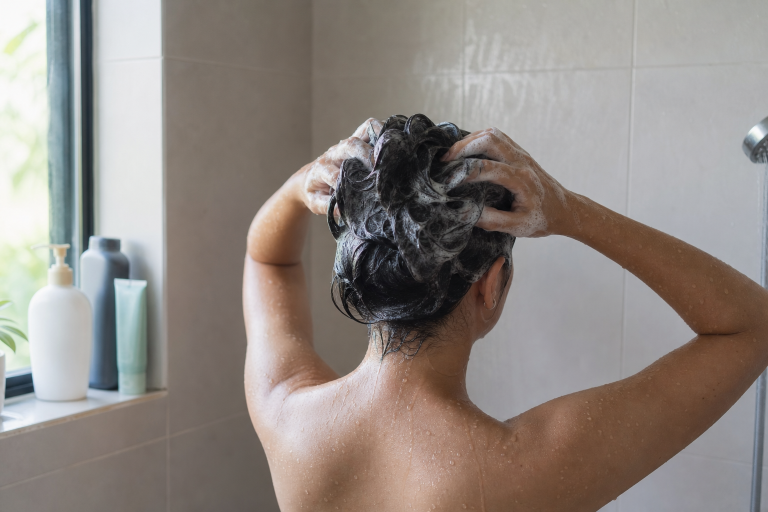
Skin-Care Ideas Moving Into Hair Care
Many hair products now borrow familiar skin-care concepts, including gentle cleansing, moisture support, barrier-focused care, exfoliation, antioxidant ingredients, and targeted treatments. These ideas can be useful, but an ingredient name alone does not guarantee results. Formula type, concentration, frequency of use, rinse-off versus leave-in application, and individual sensitivity all matter.
For example, an exfoliating ingredient can help loosen visible buildup for some people, yet repeated use may leave another person’s scalp dry or irritated. Likewise, a moisturizing ingredient that feels excellent on the lengths of coarse hair may make fine roots feel heavy. Scalp care is most effective when the product matches a specific concern.
How to Build a Simple Routine
- Cleanse with intention. Choose a shampoo that removes oil and styling residue without leaving the scalp uncomfortably tight.
- Condition strategically. If roots get oily quickly, focus conditioner on the mid-lengths and ends instead of applying a rich formula directly to the scalp.
- Add one treatment. Select a scalp serum, clarifying wash, or moisture treatment only when it addresses a real concern.
- Protect the hair fiber. Use heat protection before hot tools, detangle gently, and limit unnecessary friction from rough towels or overly tight styles.
- Review after several weeks. Keep the routine stable long enough to distinguish meaningful improvement from a one-day styling result.
How to Choose Useful Ingredients
Think in terms of product function. Humectants help attract water, which can support a moisturized feel. Emollients help smooth the hair surface and reduce roughness. Lightweight conditioning agents can improve slip, while cleansing agents remove oil and residue. Exfoliating ingredients can be useful occasionally, but they should not automatically become an everyday step.
People with a sensitive scalp may prefer simpler formulas and should be careful with fragrance, essential oils, strong acids, and multiple active treatments used together. Hair products can trigger irritant or allergic reactions in some users, and a review of scalp-product allergens notes that ingredients in shampoos, conditioners, and dyes can contribute to allergic contact dermatitis. Check the full ingredient list, follow directions, and stop using a product that causes a strong reaction.
Adjusting Care for Hair Texture
Scalp care and strand care are connected, but they are not identical. Fine hair often benefits from lighter conditioners and less product layering near the roots. Curly, coily, and textured hair may need more moisture on the lengths, careful detangling, and cleansing practices that account for longer intervals between wash days. Color-treated or chemically processed hair may also need gentler handling and added protection against dryness and breakage.
No single routine works for every density, texture, climate, or styling habit. A person who wears frequent protective styles has different needs from someone who washes daily after workouts. The most useful routine is one that fits real life and can be maintained consistently.
Common Scalp-Care Mistakes
- Using several strong treatments at the same time, and being unable to identify what caused irritation.
- Scrubbing with nails or abrasive tools instead of using gentle fingertip pressure.
- Applying heavy oils, masks, or butters at the roots without considering buildup.
- Washing far too often or too infrequently for personal oil production, activity level, and styling habits.
- Switching products every few days before results can be evaluated.
- Assuming a popular ingredient can guarantee thicker hair or new growth.
Reading Claims and Measuring Results
Cosmetic improvements and medical outcomes are not the same thing. Softer hair, less breakage, improved shine, reduced frizz, and easier detangling can be realistic cosmetic benefits. New hair growth, sudden shedding, or patchy hair loss may involve medical factors that cannot be diagnosed by a shampoo label.
A Simple Results Checklist
- Does the scalp feel comfortable between wash days?
- Is there less visible residue or flaking?
- Does the hair feel easier to detangle and style?
- Has redness, burning, itchiness, or tightness increased?
When to Seek Professional Help
Persistent itching, pain, sores, marked redness, heavy scaling, sudden shedding, or noticeable thinning should not be treated as a routine beauty concern. Stop using any product that causes burning, swelling, or a significant reaction, and speak with a dermatologist or qualified medical professional if symptoms continue. Cosmetic products can support a routine, but they cannot replace diagnosis or treatment.
A Practical Path Forward
Scalp-first hair care does not require a complicated routine. It starts with a comfortable scalp, products chosen for a clear purpose, and enough consistency to judge results fairly. In 2026, the smartest hair-care routine is not necessarily the one with the most steps. It is the one that respects the scalp, suits the hair, and solves the concern that actually matters.