How to Build a Versatile Men’s Travel Wardrobe for Work, Weekends, and Outdoor Days
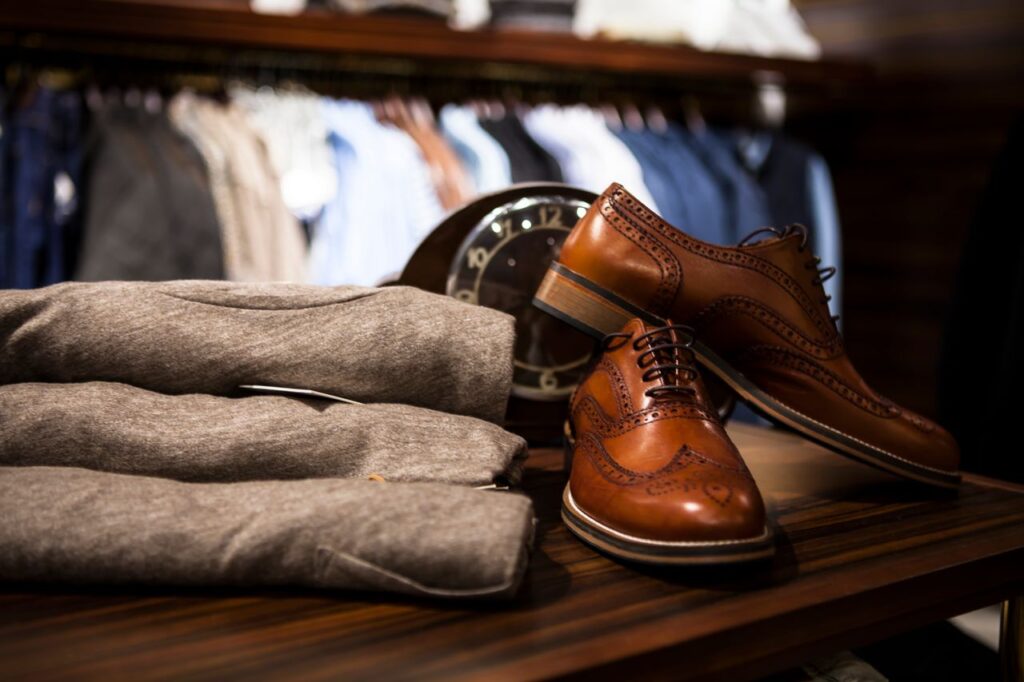
A strong travel wardrobe is not about packing a separate outfit for every possible moment. It is about choosing comfortable pieces that work together through flights, meetings, casual meals, sightseeing, and time outside. Flexible staples, such as UNIONBAY tech pants for men can help create a practical foundation when the itinerary includes more than one type of plan.
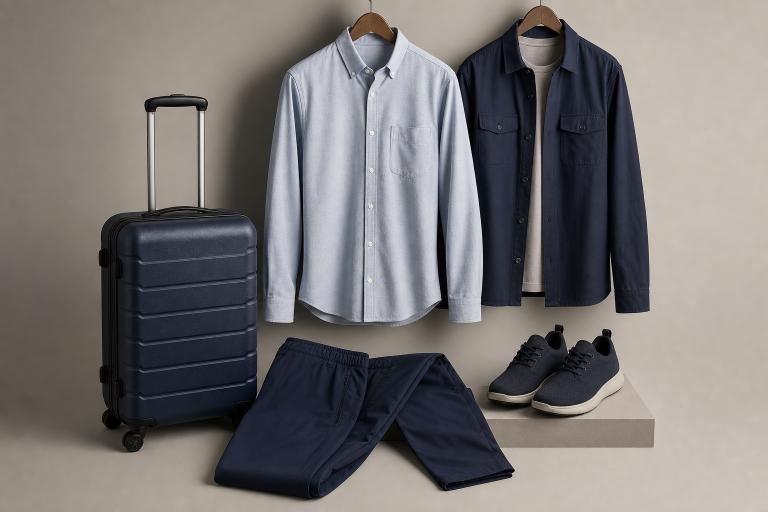
The goal is to pack fewer items with more useful roles. A breathable shirt, versatile pants, a light layer, and reliable shoes can often take you from a travel day to a relaxed dinner with only a small adjustment. Planning around real activities instead of hypothetical occasions keeps the bag lighter and makes getting dressed easier.
Why Versatility Matters When Packing
Every item in a travel bag should earn its space. The most useful clothing can be worn more than once, styled with more than one other piece, and adapted to different settings. For example, on a three-day work trip, one pair of clean, flexible pants may work for the airport, a casual meeting, dinner, and a morning walk.
Versatility does not mean every garment needs to look overly technical or overly casual. Instead, look for simple cuts, comfortable construction, and colors that coordinate easily. A wardrobe built this way gives you options without filling the suitcase with duplicates.
Start With the Itinerary
Pack for the trip you are actually taking. Review the forecast, travel time, dress expectations, laundry access, and planned activities before choosing clothes. A city weekend with long walking days needs different footwear and layers than a resort stay or a business conference.
Questions to Ask Before Packing
- How much time will be spent walking or outdoors?
- Will there be meetings, dinners, or events with a dress code?
- Are flights, trains, or long car rides part of the plan?
- Will mornings and evenings be much cooler than midday?
- Can you wash clothing during the trip?
- Are hiking, golf, fishing, sightseeing, or other active plans involved?
Choose Fabrics That Work Hard
Fabric affects how clothing feels after hours of sitting, walking, or changing weather. Prioritize the traits that match your destination and activities rather than relying only on a fabric label. Stretch can make travel days more comfortable, while wrinkle resistance can help a shirt look neater after being packed.
- Breathability: Helpful in warm weather and active settings.
- Quick drying: Useful after washing a garment in a hotel sink or encountering light rain.
- Durability: Important for pieces that will be reworn and packed tightly.
- Easy care: Keeps the wardrobe manageable when ironing is unavailable.
- Structure: Helps clothing look appropriate beyond the trail or airport.
Lightweight fabric is not automatically the right choice. Very thin material may feel less substantial, show wrinkles more easily, or provide too little warmth. Consider the fit, expected temperature, and how polished the garment needs to look.
Build a Small Core Wardrobe
A compact travel wardrobe often begins with three or four everyday tops, one or two collared shirts, two versatile pairs of pants, one pair of shorts for warm conditions, and a lightweight layer. Add two pairs of shoes only when the itinerary truly calls for them.
Use neutral base colors such as navy, gray, olive, tan, black, white, or muted blue. These shades make it easier to combine tops and bottoms without overthinking each outfit. If you want more personality, bring one accent color in a shirt, cap, or overshirt rather than building several unrelated color combinations.
Use Layers for Changing Temperatures
Layers are often more useful than one bulky jacket because travel days can move between cold terminals, warm vehicles, sunny sidewalks, and air-conditioned restaurants. A simple base, middle, and outer layer system lets you adjust as conditions change. The basic approach to managing warmth with layers also works well for everyday travel.
- Base layer: A comfortable T-shirt, polo, or long-sleeve top.
- Middle layer: An overshirt, sweater, fleece, or casual button-up.
- Outer layer: A light jacket for wind, cool evenings, or light precipitation.
Before leaving, try the layers together. They should fit comfortably without restricting movement, and each piece should be easy to remove, fold, or carry.
Select Shoes for Real Walking
Footwear can determine whether a trip feels easy or exhausting. Bring shoes that have already been worn enough to confirm that they fit well. One clean, supportive casual pair can handle many travel days, while a second pair may be worthwhile for hiking, formal plans, or wet conditions.
- Choose shoes based on the amount of walking expected.
- Consider uneven ground, wet sidewalks, and weather changes.
- Avoid packing untested shoes for an important trip.
- Limit footwear to pairs with distinct purposes.
Simple Outfit Formulas for Common Plans
For Travel Days
Wear a breathable top, flexible pants, a light layer, and supportive walking shoes. Keep essentials accessible, and avoid stiff waistbands or heavy outerwear that will be uncomfortable in a seat.
For Casual Work Meetings
Start with a collared shirt, clean pants, a simple belt, and neat shoes. An overshirt or lightweight jacket can add polish while still feeling less formal than a blazer.
For Outdoor Days and Dinner Afterward
Choose a moisture-friendly top, comfortable shorts or pants, sun protection, and shoes suited to the activity. For dinner, refresh with a clean shirt and add a structured outer layer. That small change can make the same base outfit feel more intentional.
Pack Smarter With Repeat Wear
Repeat wear is a feature of smart packing, not a planning failure. Build two or three complete outfits first, then add only items that expand those combinations. Roll softer garments, fold structured shirts, and separate shoes from clothing. If flying, consult the TSA’s complete list of prohibited and permitted items before placing specialized gear or accessories in a carry-on.
Common Travel Wardrobe Mistakes
- Packing for imaginary events instead of the actual schedule.
- Bringing colors that do not work together.
- Choosing appearance over comfort for long travel days.
- Taking too many items that perform the same role.
- Forgetting a layer for cool mornings and evenings.
- Bring clothing that needs special care during the trip.
Frequently Asked Questions
How Many Outfits Should a Man Pack for a Week?
The answer depends on weather, activities, and laundry access. A small rotation of tops, two or three bottoms, layers, and reliable shoes can cover a week when the pieces coordinate and can be reworn.
What Colors Are Easiest to Mix and Match?
Navy, gray, olive, tan, black, white, and muted blue are practical starting points. Use one brighter or more distinctive item if you want variety.
What Is the Best Outfit for a Long Flight?
Choose a breathable base layer, flexible bottoms, a removable top layer, and shoes comfortable enough for terminal walking. Test the outfit by wearing it for several hours at home before departure.
Final Thoughts
A useful travel wardrobe is comfortable, coordinated, easy to care for, and suited to the real itinerary. When each piece serves more than one purpose, you can pack lighter, make faster decisions, and stay prepared for work, weekends, and outdoor plans.