How to Choose the Right Tile for Bathrooms, Kitchens, and Floors

Picking tile is one of the more exciting parts of a home update—until you realize just how many options there are. Something that looks beautiful on a showroom wall might be more work than you want in a busy kitchen, while a tile you love for the bathroom walls may not be suitable for the floor.
The easiest place to start is with how your family uses the space. Think about wet feet, muddy shoes, cooking spills, and how much cleaning you’re willing to take on. Once you know what the tile needs to handle, narrowing down the colors and patterns becomes much easier.
Start With Your Everyday Routine
A guest bathroom and a kitchen that sees three meals a day have very different needs. Before shopping, ask yourself:
- Will the tile get wet regularly?
- Is this a busy walkway or a quieter space?
- Will pets, kids, or outdoor shoes add to the mess?
- Do you want easy upkeep, or are you comfortable with extra maintenance?
You can still choose something beautiful. The goal is to find a material that fits your home as well as your style.
Know the Difference Between Tile Materials
Ceramic
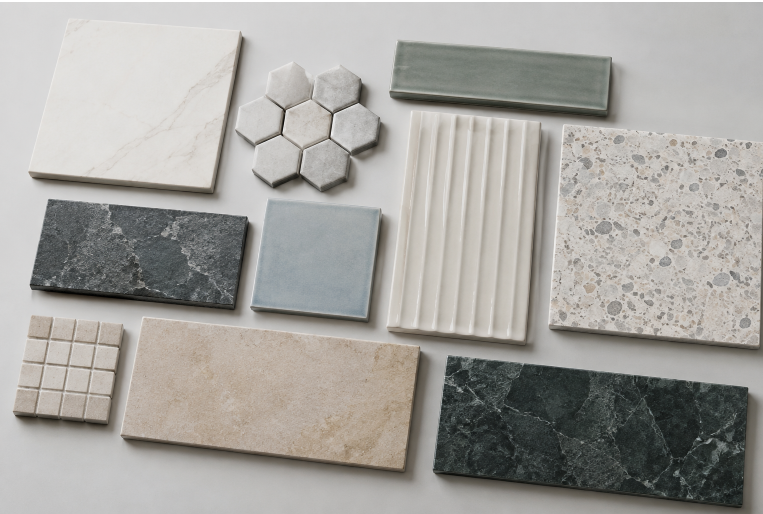
Ceramic tile offers plenty of color, shape, and finish options, making it a popular choice for backsplashes and bathroom walls. Some ceramic products are also suitable for floors, but check the specific tile’s recommended uses before buying. A decorative wall tile should never be assumed to work underfoot.
Porcelain
Porcelain is a type of ceramic tile with low water absorption. It’s often a practical choice for busy floors and moisture-prone spaces, provided the product is approved for the application. Wood-look and stone-look porcelain are worth considering if you love those finishes but want a different maintenance routine.
Natural Stone
Marble, slate, travertine, and limestone bring natural variation that can give a room plenty of character. They also come with different care requirements. Depending on the stone and finish, sealing may be recommended, and you’ll need cleaners that are appropriate for the material. Before committing, ask what everyday care will actually involve.
Glass
Glass tile can add color and shine to a backsplash or accent wall. Check the manufacturer’s guidance for its intended location, especially if you’re considering it for a floor or shower.
Choose Bathroom Tile With Water in Mind
Bathroom walls and floors don’t have to use the same tile. A glossy finish can be lovely on a wall, while the floor needs closer attention to traction and wet-area suitability.
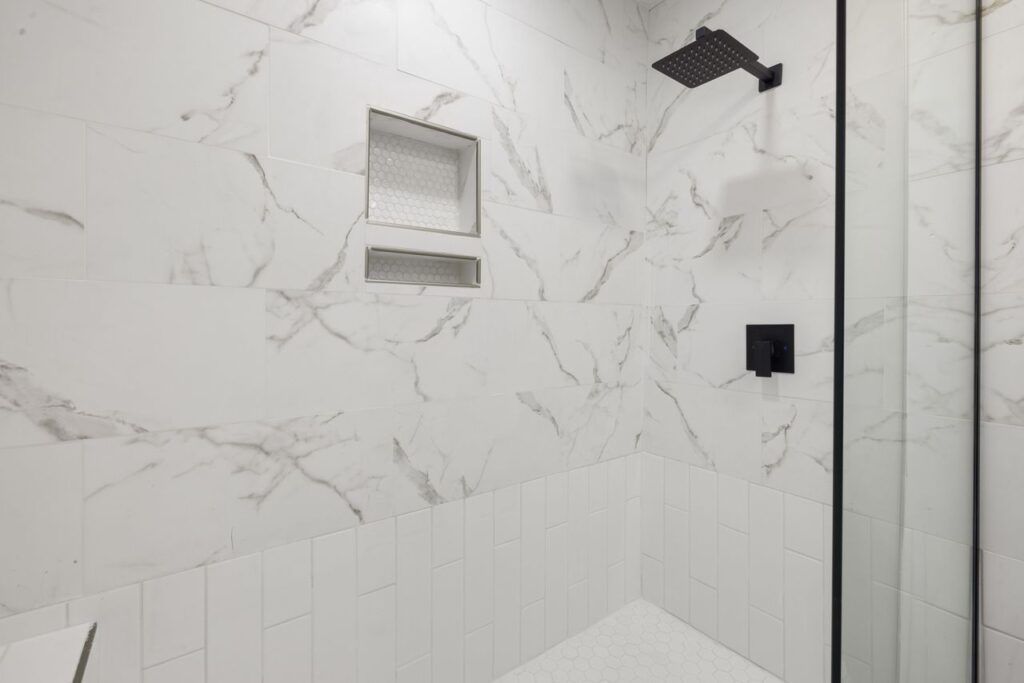
Smaller mosaics are often used on shower floors because they can follow the slope toward the drain. However, neither small size nor a matte finish guarantees slip resistance. Ask whether the exact product is suitable for a shower floor and review the manufacturer’s guidance with your installer.
The work beneath the tile matters, too. Shower waterproofing and drainage need to be planned as part of the installation; tile and grout alone don’t make a shower waterproof.
If you’re hiring help locally, a tile contractor in fort mill, sc can help you evaluate the materials and installation needs before you place an order.
Keep Kitchen Floors Practical
Between cooking, cleanup, and everyone passing through, kitchen floors get plenty of use. Look for floor-rated tile that suits your household’s traffic and cleaning habits. Porcelain is a common option, but the finish and product specifications still matter.
Bring samples home and place them beside your cabinets and countertops. A tile that looks warm and creamy in the store may read gray under your kitchen lighting.
The backsplash gives you room to have a little fun. If your countertops already have a strong pattern, a simple backsplash can keep the space from feeling busy. With quieter counters and cabinets, a patterned tile or interesting shape can add personality.
Think About the Spaces That Connect Your Home
Entryways, hallways, and adjoining living areas benefit from flooring that works visually across the spaces. Consider what the tile will look like next to wood flooring, carpet, and door thresholds before making a final choice.
Wood-look porcelain can bring a warmer appearance to an entryway, while stone-look tile can work well with a range of decorating styles. Compare several pieces to understand the color variation and pattern repeats.
For homeowners coordinating tile with a larger project, planning home remodeling tega cay updates together can help account for cabinet placement, floor heights, and transitions early on.
Give Grout and Layout Some Attention
Grout can change the look of the finished room more than you might expect. A close color match makes the pattern feel softer, while contrasting grout highlights each tile’s shape.
Think about cleaning as well as appearance. More grout joints mean more joints to maintain, and heavily textured surfaces may take extra effort to clean. Ask which grout is suitable for the space and whether it needs sealing.
Larger tiles create fewer grout lines, but they need a sufficiently flat installation surface. Before installation, review the layout so you can spot awkward cuts around doors, corners, and other visible areas.
Budget for More Than the Tile
The price per square foot is only part of the project. Your estimate may also need to cover removal of existing materials, surface repairs, waterproofing, mortar, grout, trim, transitions, and labor.
Ask your installer how much extra tile to order for the chosen layout. Cuts and breakage affect the quantity, and keeping a few spare pieces from the same batch can be helpful if you need a repair later.
A Quick Checklist Before You Order
- View samples in your home’s lighting.
- Confirm approval for the exact location: wall, floor, or shower.
- Review wet-area suitability and slip-resistance information where needed.
- Understand the cleaning and sealing requirements.
- Choose grout, trim, and transitions.
- Review the layout and surface preparation with your installer.
- Include installation supplies and extra tile in the budget.
The right tile should be something you enjoy looking at and feel comfortable living with. A little planning before ordering can help you create a room that looks pulled together without adding more upkeep than you bargained for.
Renter Friendly Tile Options

If you’re renting or want a quick refresh, peel-and-stick tile can be an option for kitchen backsplashes and bathroom updates. There are plenty of subway, patterned, and stone-look styles that can change the feel of a space without a full renovation. Look for products labeled removable, check which surfaces they’re suitable for, and get your landlord’s approval before installing—removal isn’t always damage-free. For bathrooms, choose a product approved for the intended moisture exposure, and avoid shower areas unless specifically permitted by the manufacturer. I’ve rounded up a few options below to help you get the look.