Travel and Self-Care in the Modern Age: Visas, Stays, and Skincare
The Evolving Definition of Modern Travel
Modern travel has transcended the simple act of moving from one place to another, becoming a profound journey of self-discovery, cultural immersion, and personal evolution. No longer content with merely “seeing the sights,” today’s travelers seek experiences that resonate deeply with their values and offer genuine growth opportunities. The shift is palpable: we’ve moved beyond checklist tourism to accept a more meaningful, experiential approach. This evolution redefines travel not just as a leisure activity, but as an integral part of a holistic modern lifestyle. It’s about understanding the “why” behind the journey, the “how” of engagement, and the lasting impact it leaves on us and the places we visit.
From Tourist to Traveler: A Shift in Mindset
The primary distinction between traditional tourism and modern travel lies in a fundamental shift in mindset. Traditional tourism often involved a passive consumption of destinations – a rapid succession of iconic landmarks, souvenir shopping, and a superficial glance at local life. It was about checking off a list —often from the comfort of a pre-packaged tour —with limited interaction beyond the transactional.
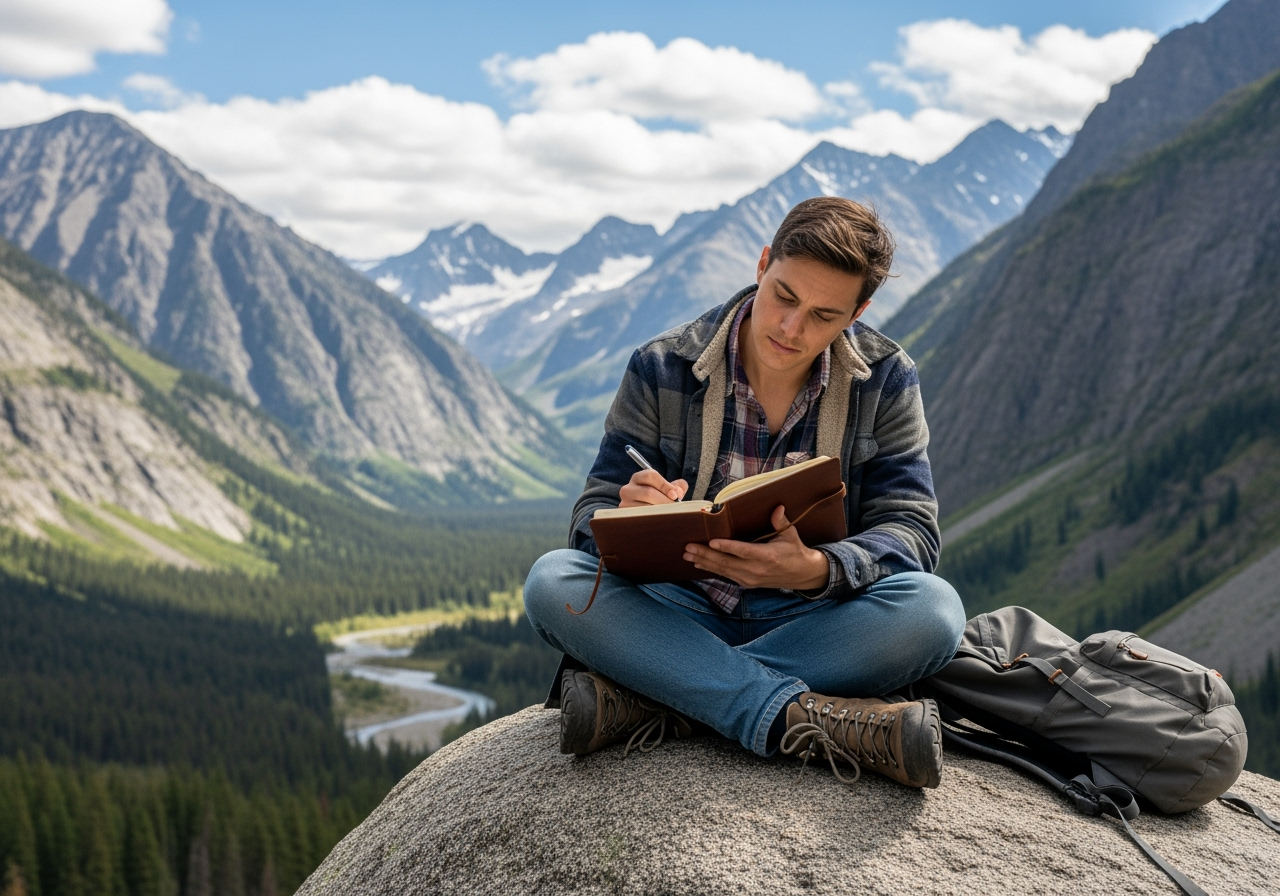
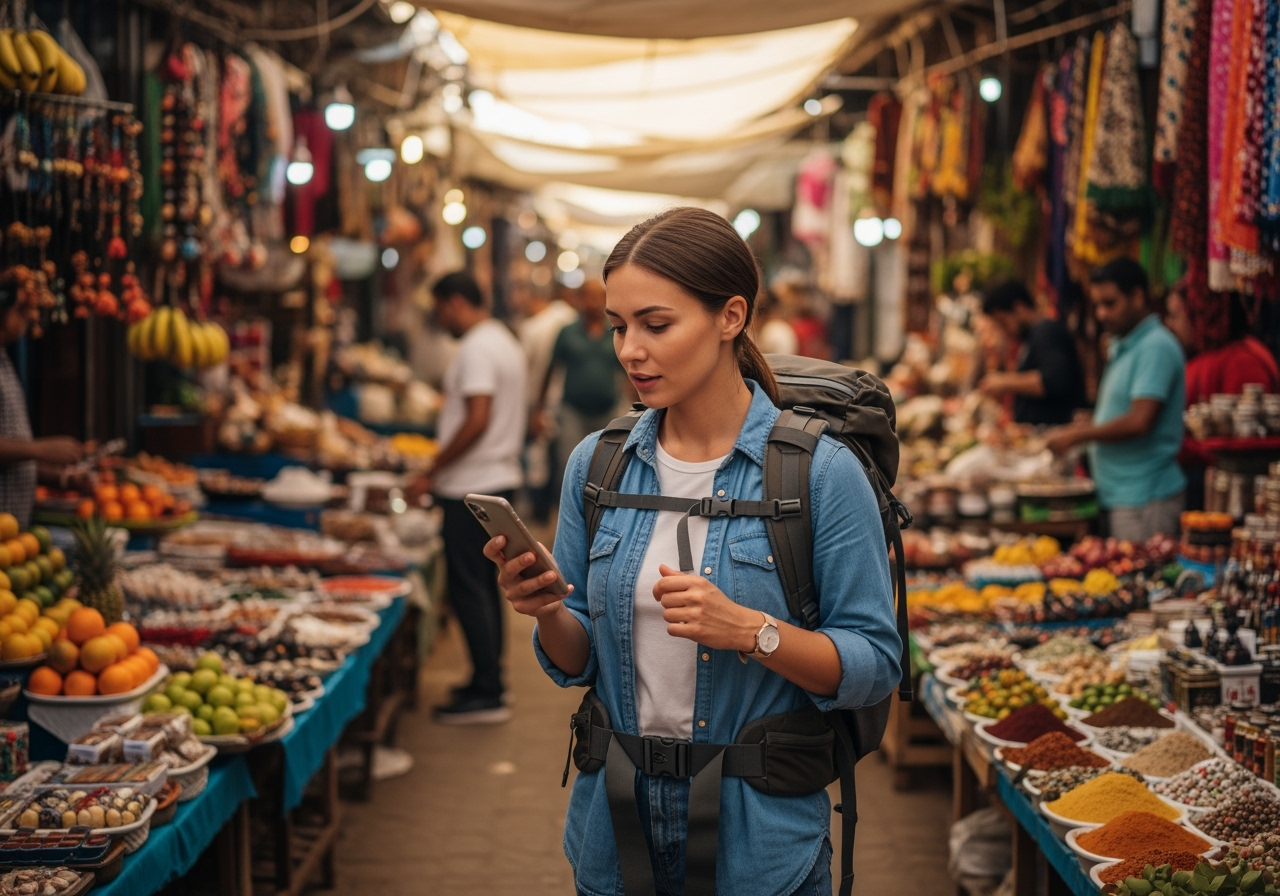
Modern travel, however, is characterized by an active desire for change. We are no longer content to be mere spectators; we aspire to be participants. This means prioritizing authentic experiences that offer a true glimpse into local cultures, fostering cultural immersion through genuine interactions, and building local connections that go beyond fleeting encounters. It’s a move beyond landmarks to uncover the soul of a place, understanding its history, its people, and its rhythms. The journey itself becomes a vehicle for personal growth, challenging preconceived notions and broadening perspectives. This deep engagement transforms us from passive tourists into active, appreciative travelers.
The Rise of Slow Travel and Deeper Connections
In tandem with the desire for authenticity, there’s a growing acceptance of slow travel. This philosophy encourages spending more time in fewer places, allowing for extended stays that facilitate a deeper understanding and connection with the local environment and community. It’s a deliberate choice to savor moments, rather than rush through them. This approach often leads to more meaningful engagement, whether through volunteering, learning a new skill from a local artisan, or simply participating in daily life. By reducing the frantic pace, we also contribute to a reduced carbon footprint, aligning with growing environmental consciousness. Slow travel naturally encourages community integration, moving beyond tourist traps to find local haunts, markets, and social gatherings.
A significant enabler of this trend is digital nomadism, in which individuals leverage technology to work remotely, enabling them to live and travel indefinitely. This lifestyle blurs the lines between living and vacationing, making travel a continuous part of their existence. For instance, the nomadic lifestyle documented by “How Far From Home,” which has seen them travel over 705,000 km across the globe, exemplifies the extensive reach and immersive nature of modern, long-term travel. This movement is not just about seeing the world; it’s about living in it, one place at a time.
Integrating Wellness into the Journey
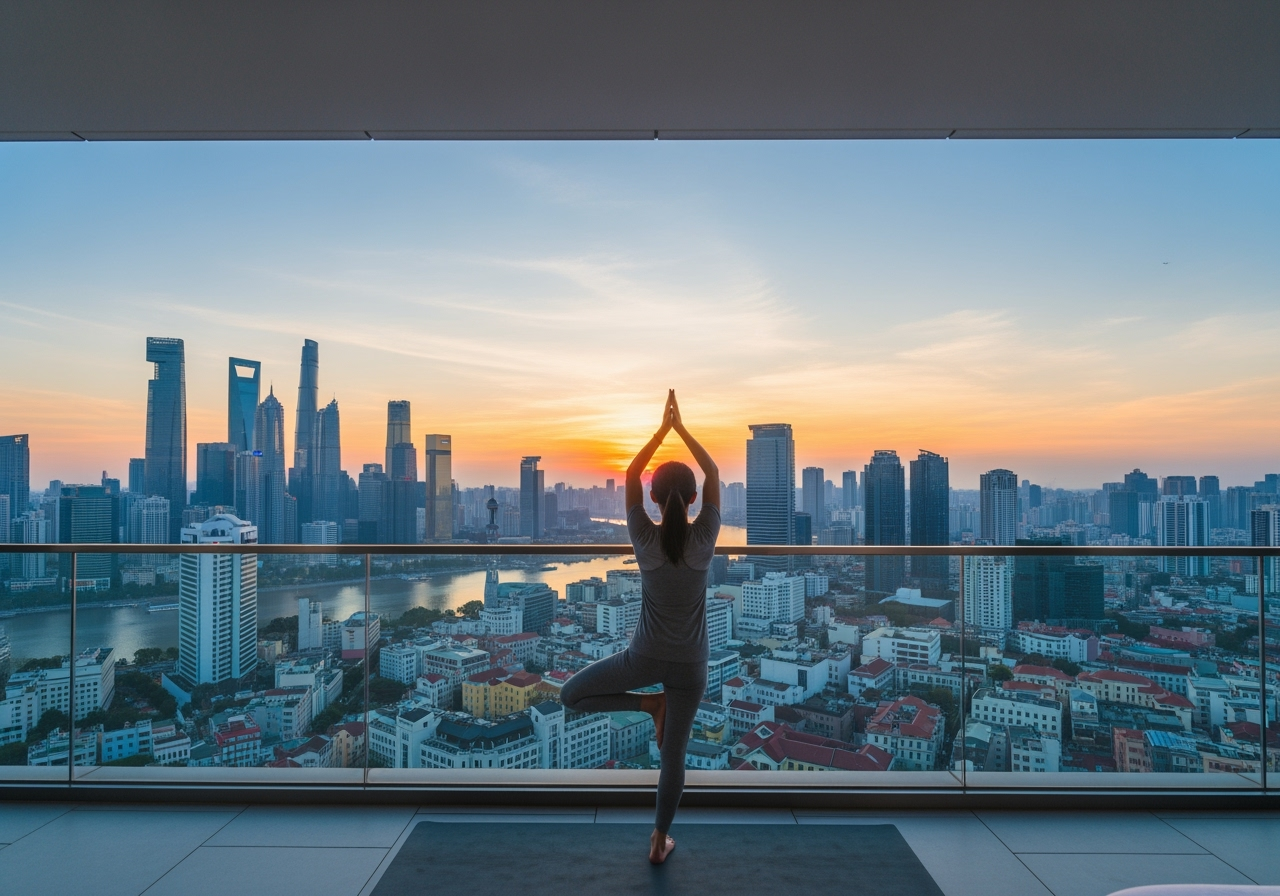
The modern traveler understands that well-being isn’t something to be left behind at home; it’s an essential companion on the road. This heightened focus on mental, physical, and emotional health has propelled wellness into a central role in contemporary travel choices. The global wellness tourism market is a testament to this, projected to reach an astounding $1.4 trillion by 2027, with a rapid 16.6% annual growth rate. This signifies a profound shift in priorities, where travel is seen as an opportunity for rejuvenation and self-care, rather than merely an escape.
The Core of Wellness Tourism
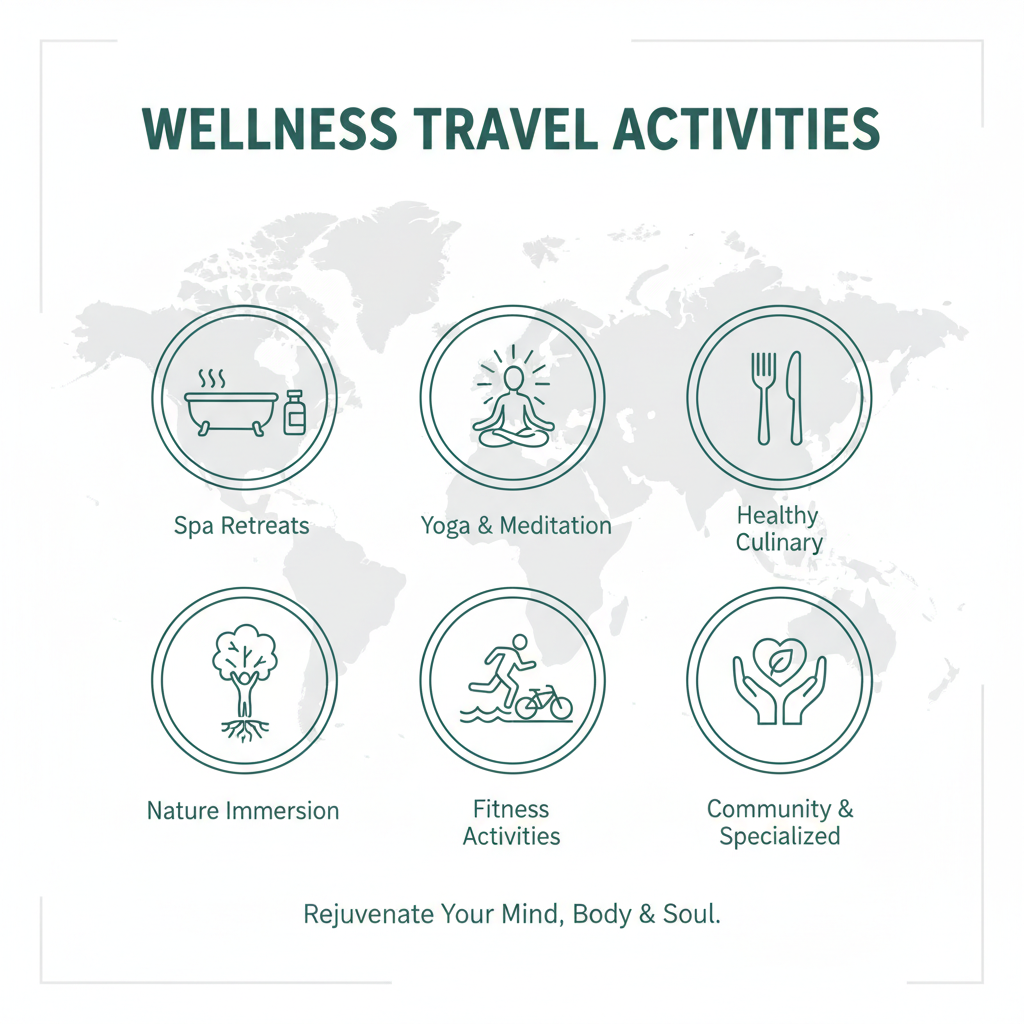
Wellness travel is no longer a niche market; it’s a mainstream expectation. Travelers are actively seeking experiences designed to improve their overall health. Among the most popular choices are:
- Spa retreats: Offering treatments, massages, and holistic therapies to soothe the body and mind.
- Yoga and meditation: Retreats and classes focused on mindfulness, flexibility, and inner peace, often in serene natural settings.
- Healthy culinary experiences: Farm-to-table dining, cooking classes focused on nutritious local ingredients, and detox programs.
- Nature immersion: Forest bathing, guided hikes, and stays in eco-lodges that promote connection with the natural world.
- Fitness activities: Boot camps, surfing lessons, cycling tours, and other active pursuits that keep the body moving.
This desire for well-being extends to seeking communal activities or retreats that address specific health issues or offer peaceful escapes. From wild swimming retreats fostering powerful female friendships to programs supporting women through postpartum, menopause, and endometriosis, wellness travel is becoming increasingly specialized and inclusive. Even new concepts like “sleep tourism” and the integration of “biohacking” and “breathwork” into business travel underscore the depth of this trend.
Maintaining Self-Care Routines on the Road
While dedicated wellness retreats are popular, integrating self-care into everyday travel is equally important. This means being intentional about our routines, even when away from home. We often carry travel-sized essentials to maintain consistency, from our favorite shampoos to our preferred simple science-backed skincare products, which are key for maintaining skin health across different climates and dealing with the stresses of travel.
Incorporating mindful moments throughout the day, whether it’s a few minutes of meditation or simply savoring a cup of coffee, can significantly reduce stress. Effective jet lag recovery strategies, such as hydration and strategic light exposure, are crucial for adapting to new time zones. Staying active through hotel gyms, local parks, or exploring on foot helps maintain physical health. The goal is to establish a consistent routine that supports our well-being, ensuring that travel improves, rather than detracts from, our self-care practices.
Redefining the Modern Travel and Lifestyle Experience
The modern travel and lifestyle experience is a mix woven with threads of individuality, authenticity, and discerning comfort. It’s a departure from one-size-fits-all vacations, embracing a personalized approach that caters to unique preferences and values. This shift is particularly evident in how we perceive and pursue luxury, the types of accommodations we choose, and how we integrate personal style into our journeys.

What Constitutes Luxury in Modern Travel?
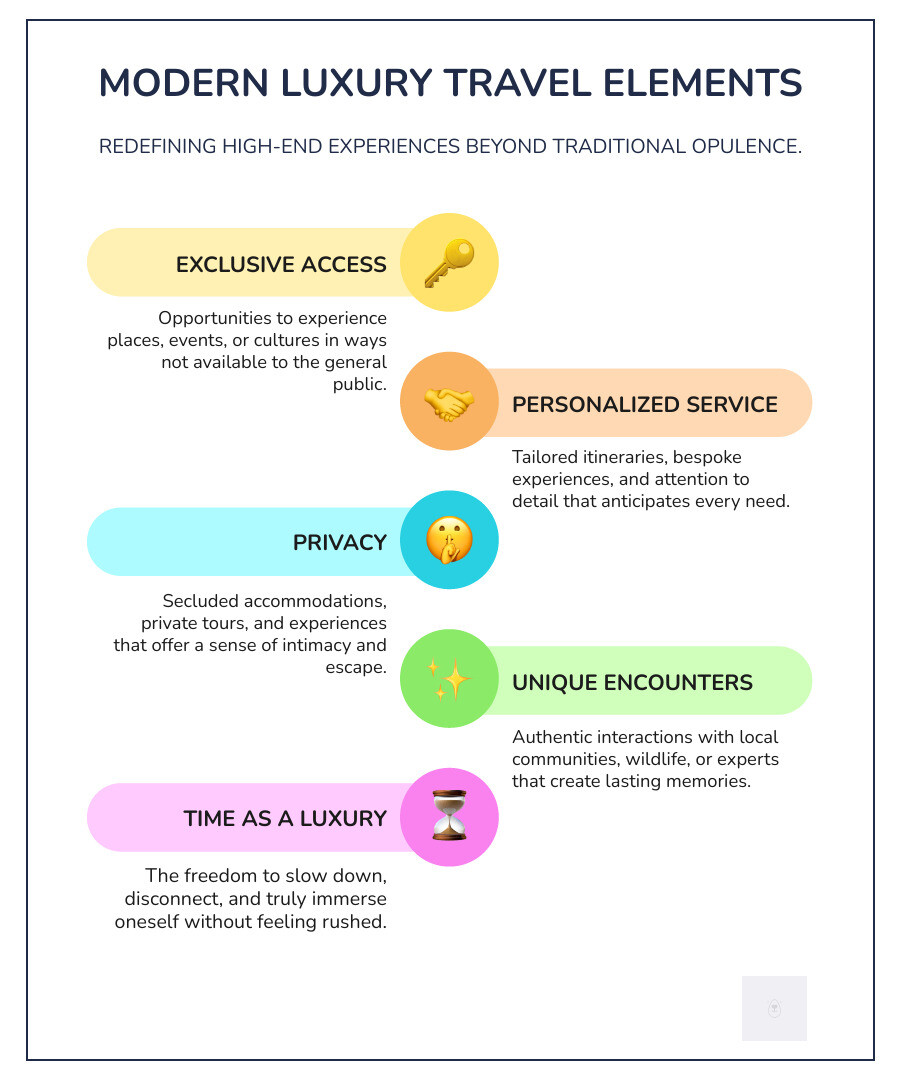
The definition of luxury travel has undergone a significant change. In 2024, luxury travel rebounded with a strong focus on wellness and sustainable experiences, surpassing pre-pandemic demand. This indicates that lavish amenities alone are no longer sufficient. Modern luxury is less about ostentation and more about enrichment. The essential elements now include:
- Exclusive access: Opportunities to experience places, events, or cultures in ways not available to the general public.
- Personalized service: Custom itineraries, bespoke experiences, and attention to detail that anticipates every need.
- Privacy: Secluded accommodations, private tours, and experiences that offer a sense of intimacy and escape.
- Unique encounters: Authentic interactions with local communities, wildlife, or experts that create lasting memories.
- Time as a luxury: The freedom to slow down, disconnect, and truly immerse oneself without feeling rushed.
This redefinition emphasizes quality over quantity and experiences over possessions. It’s about personal growth, authentic encounters, and a sense of fulfillment that transcends material comforts. Luxury providers are now adept at integrating local traditions and authentic experiences into their offerings, ensuring travelers can indulge in the best of both worlds – genuine cultural engagement alongside premium services.
The Role of Accommodation in the Modern Travel and Lifestyle
Where we choose to stay is no longer just a place to sleep; it’s an integral part of the travel experience, reflecting our desire for authenticity and connection.
- Boutique hotels: Offer unique design, personalized service, and a distinct local character, often reflecting the culture of their surroundings.
- Homestays: Provide an intimate glimpse into local life, fostering deeper connections with hosts and communities.
- Furnished apartments: Offer the comfort and convenience of a home away from home, ideal for extended stays, families, or those seeking a more local living experience. These are particularly popular for travelers looking to experience a Detroit modern lifestyle through curated stays that offer both comfort and local flavor, allowing them to blend in with locals truly.
These types of accommodations facilitate blending in with locals and provide opportunities to live like a resident rather than a transient visitor. They cater to the desire for deeper connections and a more authentic feel, often offering dedicated workspaces, pet-friendly options, and proximity to local amenities that align with a modern, integrated lifestyle.
Integrating Personal Style and Fashion
For the modern traveler, personal style isn’t an afterthought; it’s an extension of their identity and an integral part of their journey. This trend sees travelers integrating functional fashion with aesthetic appeal.
- Versatile wardrobes: Curated collections of clothing that can be mixed and matched for different occasions, climates, and cultural contexts, minimizing luggage without sacrificing style.
- Timeless accessories: Items like a quality timepiece (e.g., a Rolex Lady-Datejust or a Tudor Clarity de Rose watch) are chosen for their craftsmanship, versatility, and ability to elevate any outfit, making a statement while remaining practical.
- Expressing identity: Clothing choices reflect personal brand and values, whether it’s sustainable brands, local artisan wear, or simply pieces that make one feel confident and comfortable.
- Packing smart: Strategic packing that combines fashion with function, ensuring readiness for any adventure without overpacking. Brands like Away, which designs luggage “built for modern travel,” cater to this need by offering durable, stylish solutions that simplify the process.
This approach to style ensures that travelers feel confident and authentic, whether they are exploring ancient ruins or dining at a Michelin-starred restaurant.
Technology, Sustainability, and the Future of Travel
The intersection of technology and sustainability is shaping the future of modern travel, empowering travelers to make informed, responsible, and seamless decisions. These two forces are not just trends; they are fundamental pillars defining how we explore the world.
How Digital Tools Shape the Modern Travel and Lifestyle
Digital tools and technology have revolutionized every aspect of the modern travel experience, making it more accessible, efficient, and personalized.
- Seamless booking: From flights and accommodations to tours and activities, online platforms and apps offer instant access and comparison, simplifying the planning process.
- E-visas and digital entry: Many countries have streamlined entry requirements, allowing travelers to apply for visas online and reducing bureaucracy and paper waste. Planning for unique destinations like the Uzbekistan modern travel lifestyle is now easier than ever, with digital platforms providing comprehensive information on visas, local customs, and travel logistics.
- Social media influence: Platforms like Instagram and TikTok serve as powerful sources of inspiration, allowing travelers to discover hidden gems and share their experiences in real time, creating vibrant online communities.
- Online communities —forums and groups — connect travelers with similar interests, providing peer-to-peer advice, recommendations, and opportunities for shared experiences.
- AI trip planners: Artificial intelligence is increasingly used to create personalized itineraries, suggest activities based on preferences, and even predict travel trends, offering a new level of customization.
These tools empower travelers with information and flexibility, changing the journey from a logistical challenge into an enriched, connected experience.
The Conscious Traveler: Prioritizing Sustainability
Modern travelers are increasingly aware of their environmental and social impact, leading them to prioritize sustainability and responsible tourism strongly in their decisions. This shift is driven by a desire to preserve the beauty of destinations for future generations and ensure that travel benefits local communities.
- Eco-friendly accommodations: Choosing hotels, lodges, or rentals that implement sustainable practices, such as renewable energy, water conservation, and waste reduction.
- Supporting local economies: Opting for local businesses, artisans, and tour operators ensures that tourism revenue directly benefits the community.
- Reducing waste: Travelers are actively minimizing their waste by carrying reusable water bottles and shopping bags, and by avoiding single-use plastics.
- Carbon offsetting: Many travelers choose to offset their carbon footprint from flights and other transportation by investing in environmental projects.
- Responsible wildlife tourism: Selecting ethical operators that prioritize animal welfare and conservation, avoiding activities that exploit wildlife.
This conscious approach reflects a deeper understanding that travel is a privilege, not a right, and comes with a responsibility to protect the places and cultures we encounter. The growth of “Green Stars” in the Michelin Guide, recognizing eco-friendly restaurants, is just one example of how sustainability is being integrated into even luxury travel.
Frequently Asked Questions about Modern Travel
As the travel landscape continues to evolve, new questions arise about how best to navigate this dynamic environment. Here, we address some common inquiries from those embracing the modern travel and lifestyle.
What is the main difference between a modern traveler and a traditional tourist?
The main difference lies in their approach and priorities. A traditional tourist often focuses on checklist sightseeing, visiting popular landmarks, and typically prefers organized tours and familiar comforts. Their goal is usually to “see” a place. In contrast, a modern traveler seeks authentic experiences, deeper cultural connections, and personal growth. They desire immersion, interaction with locals, and a slower pace, valuing the transformative journey over simply ticking off destinations. For them, travel is about “experiencing” a place and its people.
How can I incorporate wellness into my travels without booking a retreat?
Incorporating wellness into your travels doesn’t always require a dedicated retreat. You can easily integrate self-care by making conscious choices:
- Prioritize sleep: Ensure you get adequate rest, especially when crossing time zones.
- Pack healthy snacks: Keep nutritious options on hand to avoid unhealthy convenience foods.
- Use hotel gyms or local parks for exercise: Stay active by utilizing available facilities or exploring new places on foot.
- Practice mindfulness or meditation daily: Even a few minutes of quiet reflection can help maintain mental balance.
- Maintain your regular self-care rituals: from your skincare routine to daily stretching, ensuring continuity in your well-being practices.
Why is sustainability becoming a priority for modern travelers?
Sustainability has become a priority for modern travelers due to several interconnected factors:
- Increased awareness of climate change: Travelers are more informed about the environmental impact of their journeys.
- Desire to preserve destinations for the future: There’s a growing understanding that popular destinations are fragile and need protection.
- Ethical considerations for local communities: Travelers want to ensure their presence benefits, rather than harms, the people and cultures they visit.
- Personal values aligning with travel choices: Many individuals seek to align their travel decisions with their broader ethical and environmental principles, making responsible tourism a reflection of their modern lifestyle.
Conclusion
The modern travel and lifestyle movement represents a profound evolution in how we interact with the world. It’s a journey driven by purpose, wellness, and a deep respect for both personal growth and planetary well-being. From seeking authentic cultural experiences and embracing slow travel to prioritizing self-care on the road and making sustainable choices, today’s traveler is more conscious, connected, and discerning than ever before. We’ve seen how the definition of travel has broadened beyond mere sightseeing, how wellness has become an integral part of the journey, and how luxury is now defined by personalization and unique encounters. Technology acts as an enabler, while a commitment to sustainability guides our decisions. This holistic approach ensures that every trip is not just a destination, but a transformative experience that enriches our lives and the world around us. As we continue to explore, we do so with a renewed sense of responsibility and an unwavering desire for genuine connection, shaping a future where travel is truly a force for good.