Common Symptoms and Treatment Options for Sinus Infections (A Mom’s Perspective)
If you’re a mom, you know there’s no such thing as a “sick day.” Whether it’s getting kids to school, answering emails, or managing the never-ending to-do list, feeling run-down can completely throw off your routine. Sinus infections are one of those illnesses that seem minor at first but can quickly make everyday life feel overwhelming.
As a mom, learning how to spot the signs of a sinus infection, understand what causes them, and know when to treat symptoms at home versus calling the doctor can save time, stress, and a lot of discomfort. It can also help keep the rest of your household healthier, especially during cold and flu season.
Most sinus infections clear up on their own, but some linger or return again and again. Knowing what’s normal and what’s not can make a big difference in how quickly you feel better and how confidently you care for yourself and your family.
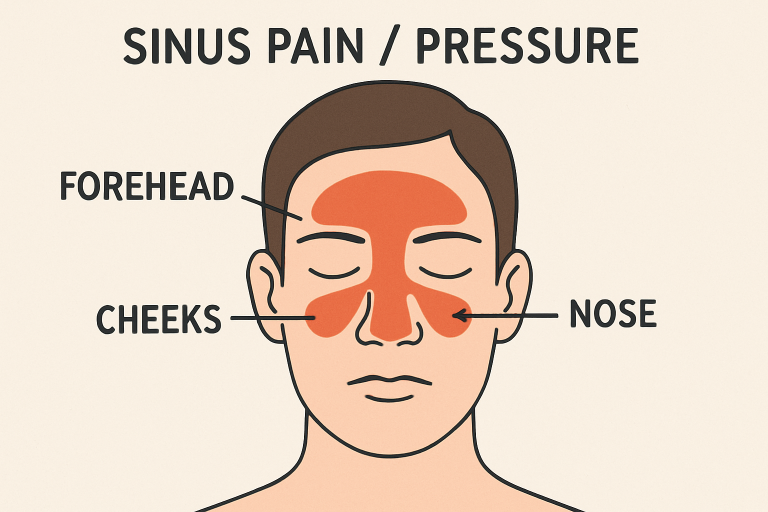
Symptoms of Sinus Infections
Sinus infections often show up with symptoms that are hard to ignore, especially when you’re trying to power through a busy day. Common sinus infection symptoms include:
- Facial pain or pressure around the cheeks, forehead, or eyes
- Stuffy or blocked nose that makes breathing difficult
- Thick, yellow or green nasal discharge
- Headaches that feel worse when bending over or picking up kids
- Post-nasal drip that can cause a sore throat or constant throat clearing
- A lingering cough, especially at night
- Bad breath or a reduced sense of smell
Some moms also notice fatigue that doesn’t go away with sleep, mild fever, or ear pressure. Because these symptoms can look a lot like allergies or a regular cold, it’s not always easy to tell what’s really going on without a medical opinion.

Causes and Risk Factors
Sinus infections often start after a common cold or respiratory virus, but they can also be caused by bacteria or ongoing inflammation. As moms, we’re especially exposed thanks to schools, playdates, and busy schedules.
Common causes and risk factors include:
- Recent colds or flu
- Seasonal or year-round allergies
- Structural issues like a deviated septum or nasal polyps
- Exposure to smoke, pollution, or strong household odors
- A weakened immune system or chronic health conditions
Kids in school or daycare can easily bring germs home, which increases the chances of sinus infections spreading through the family. Moms with asthma or frequent allergies may also find themselves dealing with sinus issues more often.
Diagnosing Sinus Infections
When sinus symptoms don’t improve, a doctor can help determine whether it’s viral, bacterial, or allergy-related. Diagnosis usually includes reviewing symptoms, medical history, and a physical exam.
In more persistent or severe cases, your healthcare provider may recommend imaging tests like a CT scan or a nasal endoscopy to get a closer look at the sinuses. Most routine sinus infections don’t require lab testing, but it may be necessary if symptoms keep returning or don’t respond to treatment.
Treatment Options
Most acute sinus infections do not require antibiotics, especially if symptoms are caused by a virus. Many moms find relief through symptom management and conservative care.
Common treatment options include:
- Over-the-counter pain relievers like acetaminophen or ibuprofen
- Decongestants to reduce nasal swelling
- Saline nasal sprays or rinses to flush out mucus
- Nasal corticosteroid sprays for allergy-related inflammation
If symptoms last longer than 10 days or worsen, a doctor may prescribe antibiotics for a bacterial infection. It’s important to finish the full course, even if you start feeling better sooner.
Chronic or recurring sinus infections may require a referral to an ENT specialist and, in rare cases, surgical intervention.
Home Remedies and Self-Care for Busy Moms
When rest isn’t always an option, simple home remedies can help manage symptoms while keeping up with daily life:
- Applying warm compresses to the face to ease pressure
- Drinking plenty of water and warm fluids to thin mucus
- Taking steamy showers or inhaling steam to open nasal passages
- Using a humidifier during dry months to prevent irritation
Saline nasal irrigation can also help clear allergens and congestion. Whenever possible, rest, avoid smoke or strong scents, and give your body time to heal.
When to See a Doctor
Sometimes sinus infections need medical attention. It’s time to call a healthcare provider if you notice:
- Severe facial pain or swelling around the eyes
- Symptoms lasting more than 10 days without improvement
- A high fever that doesn’t respond to medication
- Frequent sinus infections throughout the year
Seek immediate care if symptoms include vision changes, confusion, a stiff neck, or intense swelling, as these may signal serious complications.
Preventing Sinus Infections in Your Household
While you can’t avoid every germ, there are steps moms can take to reduce the risk of sinus infections:
- Encourage frequent handwashing for the whole family
- Stay up to date on flu shots and recommended vaccines
- Limit close contact with sick individuals when possible
- Avoid smoking and secondhand smoke
- Keep humidifiers clean and well-maintained
Supporting your immune system with balanced meals, regular movement, and enough sleep can also help lower the chances of recurring sinus problems.
Final Thoughts
Sinus infections can be frustrating, especially when you’re juggling family, work, and everything in between. Understanding the symptoms, treatment options, and warning signs can help you recover faster and feel more in control of your health.
While most sinus infections are manageable at home, persistent or severe symptoms deserve professional care. With a combination of smart self-care, prevention, and timely medical advice, moms can protect their health and keep their households running smoothly.