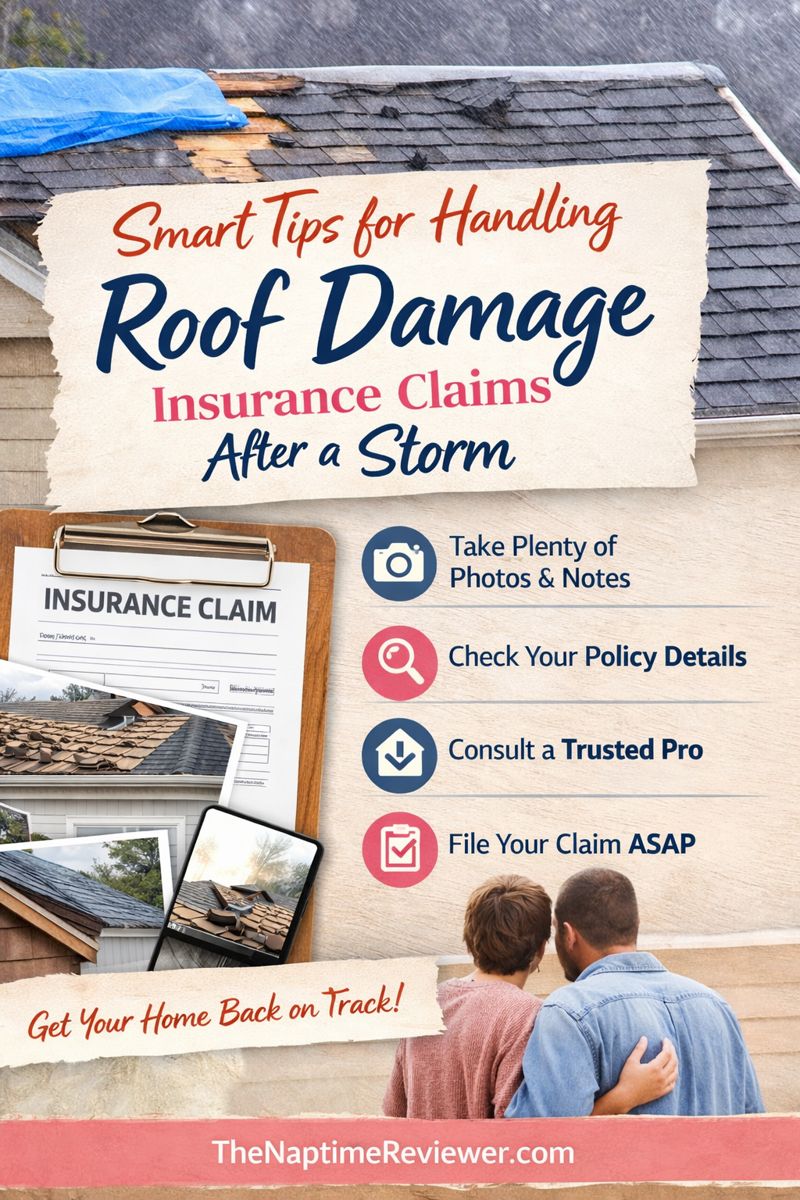
How to Handle Roof Damage Insurance Claims After a Storm (A Mom-Friendly Guide)
When a big storm rolls through, roof damage is usually the last thing any mom wants to deal with. Between keeping kids calm, cleaning up branches, and making sure the house is still safe, figuring out insurance paperwork can feel completely overwhelming. The good news is that handling a roof damage insurance claim doesn’t have to feel like a full-time job.
This guide breaks everything down in a clear, calm, and practical way so you can protect your home, avoid costly mistakes, and move the process along without unnecessary stress.

Make Sure Everyone Is Safe First
After a storm, your top priority is making sure your family is safe. Before worrying about shingles or paperwork, check for hazards like fallen power lines, broken glass, or standing water near electrical outlets.
When it comes to roof damage, resist the urge to climb up and take a closer look. Storm-damaged roofs can be unstable, even if the damage doesn’t look severe. Instead, do a visual check from the ground. Missing shingles, debris in the yard, dented gutters, water stains on ceilings, or leaks inside the house are all signs that something may be wrong.
If you’re unsure, it’s always better to call a professional rather than risk an injury.
Take Clear Photos and Notes
As part of the early steps in the roof insurance claim process homeowners should follow, it’s important to carefully look around your property for visible signs of damage, such as missing, curled, or cracked shingles; dented gutters; torn flashing; broken tiles; or displaced ridge caps. Documentation is one of the most important steps in the insurance process, and it’s something moms can do right away.
Use your phone to take clear photos and videos of:
- The roof from the ground
- Any missing or damaged shingles
- Gutters, flashing, and siding
- Interior water stains, leaks, or ceiling damage
- Fallen branches or debris
Take wide shots and close-ups, and jot down notes about when the storm happened and when you noticed the damage. If possible, save weather alerts or local news coverage from the storm. These details help support your claim and reduce back-and-forth later.
Review Your Insurance Policy
Before filing a claim, take a few minutes to review your homeowner’s insurance policy. Look for details about:
- Your deductible
- Coverage limits for roof repairs or replacement
- Exclusions for certain types of storm damage roof insurance claims NC
- Special deductibles for wind, hail, or hurricanes
Insurance language can feel confusing, so don’t hesitate to call your agent and ask questions. Understanding what’s covered ahead of time helps set realistic expectations and prevents surprises.
Get a Professional Roof Inspection
A reputable, licensed roofing contractor can spot damage that isn’t always obvious from the ground. A professional inspection can also provide a written estimate, which is incredibly helpful when dealing with insurance.
If you’re in North Carolina, companies like Northwest Roofing Company have experience working with storm-related insurance claims and understand local requirements. Choosing a trusted, local contractor matters, especially after storms when out-of-town crews may show up offering quick fixes.
Always ask for licensing, insurance, and references before agreeing to any work.
File Your Insurance Claim
Once you’ve gathered your documentation, file your insurance claim as soon as possible. Many insurers allow claims to be started online or through an app, but you may still need to speak with an agent.
Be prepared to submit:
- Photos and videos of the damage
- Written notes and timelines
- Contractor inspection reports or estimates
Filing promptly helps keep your claim moving and ensures you don’t miss important deadlines.
Meet With the Insurance Adjuster
After your claim is submitted, an insurance adjuster will likely schedule a visit to inspect the damage. If possible, have your roofing contractor present during this inspection so nothing is overlooked.
Walk the adjuster through the damage, share your documentation, and answer questions honestly. If you made any temporary repairs or cleaned up debris, show before-and-after photos so they can see the full impact of the storm.
Make Temporary Repairs If Needed
Insurance policies usually require homeowners to prevent further damage. This may mean placing a tarp over a leak, covering broken areas, or clearing gutters once it’s safe to do so.
Keep receipts for any materials or emergency services. Many insurance policies reimburse these costs, but major repairs should wait until your claim is approved and inspected.
Stay in Touch With Your Insurance Company
Organization goes a long way here. Keep notes of phone calls, emails, claim numbers, and timelines. Respond quickly to requests for additional information and don’t be afraid to check in if things feel stalled.
If you believe your claim has been undervalued or denied unfairly, you can request a second inspection or consult a public adjuster for guidance.
Final Thoughts
Handling roof damage after a storm can feel daunting, especially when you’re managing a household at the same time. Taking things step by step, staying organized, and leaning on trusted professionals can make the process far more manageable.
With the right documentation, clear communication, and a little patience, you can move through the insurance process confidently and focus on getting your home back to normal for your family.