Top Home Maintenance Tips Every Homeowner Should Know
Owning a home offers comfort, pride, and a sense of security, but keeping your investment safe and your environment healthy requires regular attention. Consistent upkeep helps preserve your property’s value and creates a comfortable space for your family. While plenty of tasks can be done yourself, a certified home inspector can help you identify issues that might otherwise go unnoticed, ensuring every corner of your property receives expert attention.

Maintaining your home does more than just keep it looking its best. Proactive maintenance reduces the risk of costly repairs, extends the lifespan of your appliances and infrastructure, and improves your home’s overall efficiency. Simple routine checks and scheduled seasonal tasks can prevent minor concerns from escalating into significant problems, saving money and stress in the long run.
For every homeowner, the balance between routine checks and professional assistance is crucial. Tackling basic projects yourself is empowering, but partnering with professionals can help protect your property from hidden or developing issues.
Staying vigilant and up to date with crucial tasks will help ensure your home remains safe, energy-efficient, and comfortable for years to come.
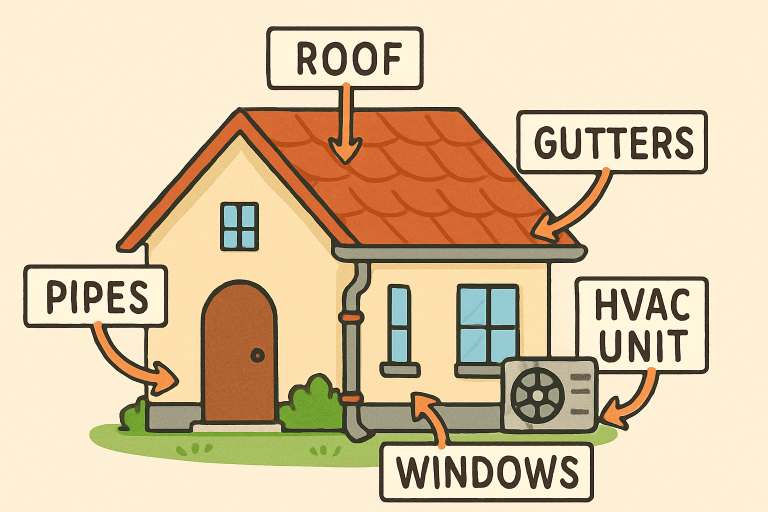
1. Regular Roof Inspections
Your roof protects your property from harsh elements like rain, snow, and direct sunlight, making routine inspections vital. Twice a year, examine your roof for damaged or missing shingles, sagging areas, or moss and algae growth. Catching these problems early on can help prevent water leaks and costly structural damage. Equally important is cleaning gutters and downspouts to direct water away from your home’s foundation, reducing the risk of mold growth and foundation deterioration. According to Forbes Home, roof inspections can help homeowners avoid major repair costs in the long run.
2. HVAC System Maintenance
Your heating, ventilation, and air conditioning system is essential for maintaining indoor comfort year-round. Ensure optimal system efficiency by changing or cleaning air filters every 1 to 3 months. Schedule professional inspections twice annually: before the weather heats up in spring and before it cools down in autumn. Preventive checks help you spot potential issues, such as refrigerant leaks or clogged evaporator coils, before they affect the system’s performance or lead to expensive repairs. Maintaining your HVAC system also improves your home’s overall air quality, giving you healthier air to breathe.
3. Plumbing Checks
Small leaks can turn into major headaches if left unaddressed. Regularly inspect visible pipes under sinks, near your water heater, and around bathrooms for corrosion, drips, or water stains. Address minor leaks promptly to prevent serious water damage and mold growth. In areas with harsh winters, insulate exposed pipes to prevent freezing. Proper plumbing maintenance is key to keeping your water system safe and efficient.
4. Exterior Maintenance
The exterior of your home is constantly exposed to weather, pests, and other hazards. Inspect siding, stucco, and brickwork for any damage or cracks, and promptly seal openings to keep moisture and insects out. Clean and seal patios, driveways, and decks to help extend their lifespan and maintain a polished appearance. Regularly trimming trees and shrubs prevents overgrowth from damaging your roof or siding and reduces the risk of falling branches during storms.
5. Electrical System Safety
Faulty electrical systems can pose fire hazards and other safety risks. Check outlets and switches for scorch marks or loose wires, and listen for buzzing sounds which could signal underlying issues. Test smoke detectors and carbon monoxide alarms monthly and change their batteries as needed, ensuring your family’s safety. If you observe persistent flickering or dimming lights, or smell burning around switches or outlets, seek professional help from a licensed electrician immediately. Staying on top of electrical safety is non-negotiable for a secure home environment.
6. Seasonal Maintenance Tasks
Dividing maintenance routines throughout the year simplifies upkeep and ensures nothing is overlooked. In the spring, focus on gutter cleaning and roof inspections as winter weather can cause hidden damage. Summer is ideal for inspecting your home’s perimeter, addressing pest control, and maintaining outdoor spaces. Autumn tasks include cleaning gutters again, preparing gardens, and inspecting insulation as colder weather approaches. Winter calls for pipe insulation and regular monitoring of your heating system to prevent breakdowns and manage ice buildup on your roof.
7. Energy Efficiency Improvements
Increasing your home’s energy efficiency directly impacts your utility costs and environmental footprint. Sealing cracks in windows and doors, adding or upgrading insulation, and investing in energy-efficient appliances can result in substantial savings. Regularly servicing your HVAC system and promptly repairing leaks also improves energy efficiency and prevents waste. The Environmental Protection Agency shares helpful advice for boosting home energy savings at ENERGY STAR.
8. Pest Control Measures
A proactive approach to pest control keeps your space healthy. Seal exterior cracks and gaps, store food in airtight containers, and commit to regular cleaning routines to deter rodents and insects. Scheduled inspections let you catch infestations early, and if evidence of pests is found, address the issue right away with safe and effective treatments. Maintaining a clean, well-sealed home is key to avoiding the health risks posed by pests.
Embracing a regular home maintenance plan sets the foundation for lasting value and peace of mind. Thorough inspections, attention to seasonal duties, and timely professional interventions are all part of creating a safe and enjoyable home for years to come.