Why Personalized Wellness Programs Actually Work: A Holistic Approach to Health
Why Personalized Wellness Programs Actually Work (and How to Make One Fit Your Life)
If you’ve ever tried to follow a “perfect” diet or workout plan and thought… this is just not working for me, you’re definitely not alone.
One person swears by early morning workouts and green smoothies, while someone else feels their best with slower movement, better sleep, and less stress. The truth? Health isn’t one-size-fits-all—and it never really was.
That’s where personalized wellness programs come in. Instead of forcing your life into a rigid plan, they flip the script and build a routine around you—your body, your habits, and your reality.
Modern solutions recognize the value of functional medicine laboratory testing, which can uncover root causes of issues that might otherwise go unaddressed in a one-size-fits-all program. By using a tailored approach, individuals achieve better results and benefit from strategies that are both realistic and sustainable for their daily lives.
Personalized programs rely on in-depth assessments and leverage technology such as wearables and apps for ongoing monitoring. This not only helps measure progress but also supports timely adjustments, ultimately leading to better adherence and long-term success.

What Is a Personalized Wellness Program (and Why It Works Better)
According to Healthline, tailored strategies are not only more sustainable but can be more motivating and effective for achieving long-term health goals. At its core, personalized wellness is exactly what it sounds like: a health approach designed specifically for your needs.
That might include:
- Adjusting your nutrition based on how your body responds to certain foods
- Choosing workouts that fit your energy levels (not just trends)
- Factoring in stress, sleep, and your daily schedule
Instead of generic advice, you’re working with a plan that actually makes sense for your life—which is why it’s so much easier to stick with long-term.
And honestly, that’s the biggest difference: sustainability.
Why “One-Size-Fits-All” Health Plans Fall Short
Most traditional wellness plans focus on broad recommendations:
- Eat this
- Avoid that
- Work out this many times a week
But they don’t account for things like:
- Your stress levels
- Hormonal changes
- Past injuries
- Sleep quality
- Or just… real life getting busy
So when something doesn’t work, it’s easy to feel like you’re the problem—when really, the plan just wasn’t built for you.
How Technology Is Changing Wellness (in a Good Way)
One of the biggest shifts in personalized wellness is the use of everyday tech.
Things like:
- Fitness trackers
- Smartwatches
- Health apps
These tools quietly collect data on:
- Sleep patterns
- Activity levels
- Heart rate
- Even stress trends
Instead of guessing what’s working, you can actually see patterns—and make small, smart adjustments over time.
It’s less about being perfect and more about being aware.
A More Holistic Approach to Health
The Centers for Disease Control and Prevention (CDC) highlights that the mind and body affect one another, and that attention to stress reduction and social connection can have meaningful impacts on longevity and quality of life.
Environmental factors and lifestyle choices also play a crucial role. Everything from daily routines and workplace ergonomics to recreational activities and media consumption can shape your overall well-being. Incorporating practices that nourish every facet of your life contributes to resilience and a deeper sense of balance and vitality.
Another reason personalized wellness works so well? It looks at the full picture.
Not just:
- workouts
- or food
But also:
- mental health
- stress management
- sleep habits
- social connection
Because all of those things are connected—even if we don’t always realize it.
You can be eating well and exercising regularly, but if you’re constantly stressed or not sleeping, it’s going to show up somewhere.
A personalized approach helps balance all of it, not just one piece.
What This Actually Looks Like in Real Life
This isn’t about overhauling your entire life overnight.
In reality, it might look like:
- Swapping intense workouts for walks or low-impact movement when you’re burned out
- Adjusting your meals based on how you actually feel after eating
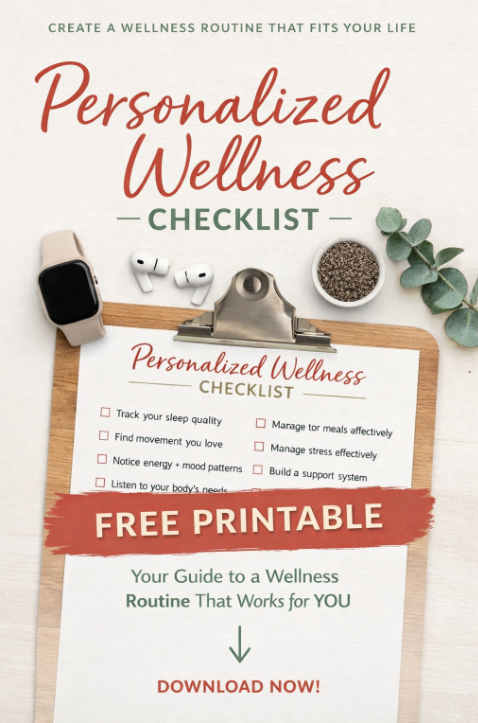
- Using a wearable to notice you’re not getting enough sleep—and fixing that first
- Adding small stress-management habits (instead of ignoring burnout)
It’s flexible. It evolves. And it meets you where you are.
The Role of Data (Without Overcomplicating It)
Personalized wellness often includes tracking certain health metrics—but it doesn’t have to feel overwhelming.
The goal isn’t to track everything—it’s to track what matters.
That could be:
- Sleep quality
- Daily steps
- Energy levels
- Mood patterns
Over time, this helps you:
- Identify what’s working
- Drop what’s not
- Adjust as your needs change
And that’s where real progress happens.
Why Support Systems Matter More Than You Think
One thing that often gets overlooked? Community.
Whether it’s:
- a fitness class
- an online group
- or even just a friend with similar goals
Having support makes everything easier.
It adds:
- accountability
- motivation
- and honestly, just encouragement on the days you don’t feel like doing anything
Wellness is a lot easier (and more enjoyable) when you’re not doing it alone.
Things to Keep in Mind
As great as personalized wellness is, there are a couple of real-world considerations:
- Not everyone has access to advanced testing or high-end tools
- Privacy matters when it comes to health data
- And it’s easy to overcomplicate things if you try to do everything at once
The key is to keep it simple and focus on what actually helps you feel better.
How to Start Personalizing Your Wellness Routine
If you want to dip your toe into a more personalized approach, start here:
- Pay attention to what gives you energy (and what drains it)
- Focus on sleep before anything else—it impacts everything
- Choose movement you don’t dread
- Notice how your body responds to foods instead of following strict rules
- Make small adjustments instead of big, overwhelming changes
You don’t need a perfect plan—you just need one that fits your life.
Final Thoughts
Personalized wellness programs aren’t about doing more—they’re about doing what works.
By combining real-life habits, simple data, and a more holistic view of health, you can build a routine that actually feels doable… and sustainable.
And honestly, that’s the goal:
feeling better in a way that lasts—not just for a few weeks, but long-term.