Why Georgia Feels Like Europe’s Most Exciting Food-and-Wine Trip Right Now
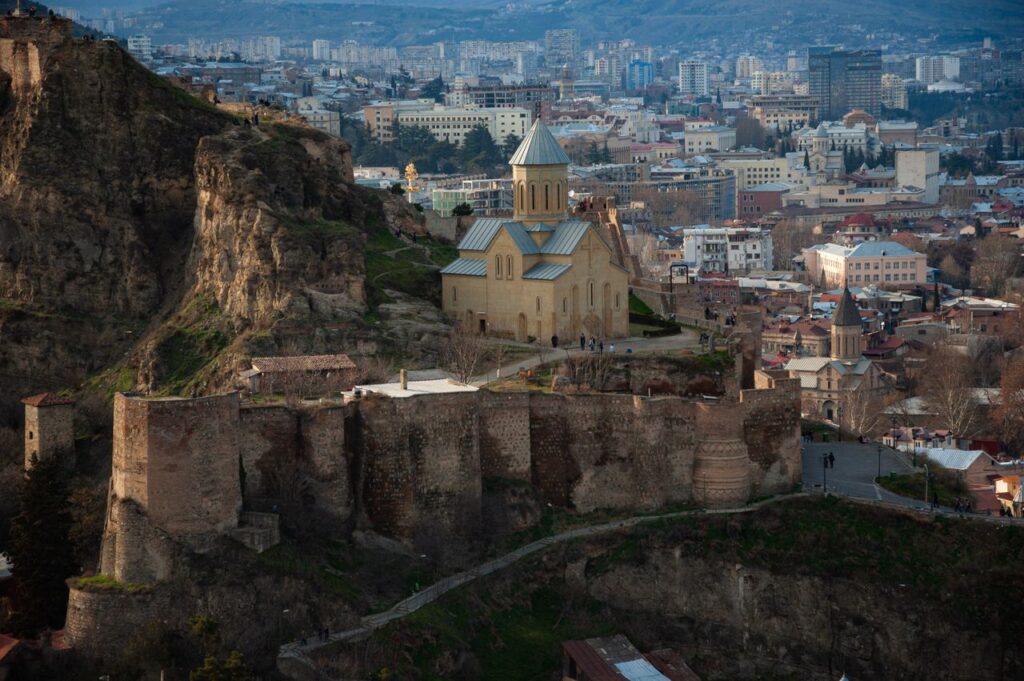
There’s a particular kind of travel that stays with you. Not the itinerary-perfect trip where every restaurant was booked three months ahead and every landmark looked exactly like the photos. It’s the kind of journey where you wander into a family-run wine cellar carved into the side of a hill, share a meal you can’t quite pronounce but won’t forget, and discover places that never appeared on your social media feed.
Georgia has a way of creating those moments. Rich in history, dramatic mountain landscapes, centuries-old traditions, and remarkable hospitality, it consistently surprises visitors who arrive with few expectations and leave wondering why they hadn’t discovered it sooner.
The Numbers Already Tell Part of the Story
Georgia recorded nearly 6.9 million international visits in 2025, a 6.2% increase from the year before, according to the Georgian National Tourism Administration. European arrivals grew fastest: Italy up 39.4%, Spain up 48.6%, France up 17.4%, United Kingdom up 39.1%.
Those numbers reflect something that travel writers and food media have been documenting for the last few years: this is no longer an undiscovered secret. But the infrastructure hasn’t fully caught up yet, which is exactly why it still feels the way it does when you’re there, warm, unbothered by crowds, and generous in a way that highly touristed places stop being.
The Wine Alone Justifies the Trip
Georgia is, by most credible accounts, the oldest winemaking country in the world. Archaeological evidence places the origins of cultivated viticulture here around 6,000 BCE, and there are more than 500 indigenous grape varieties still in cultivation. No other wine-producing country comes close to that genetic diversity.
The method is just as distinctive as the history. Georgian winemakers ferment grape juice with the skins and seeds intact in large clay vessels called qvevri, buried in the earth. The result is amber wine, something between white and red in both colour and character, with tannins that give the wine structure and complexity you don’t find in conventionally fermented whites.
Kakheti, the main wine region, is a straightforward drive from Tbilisi. The landscape across the region in autumn, golden vineyards, medieval towers, the occasional Soviet-era winery repurposed and replanted, is quietly extraordinary. The wines you taste at small family estates in Sighnaghi or Telavi are often produced in quantities so limited they never appear on any export market.
The Food Scene in Tbilisi
Khinkali changed how I think about dumplings. Georgian dumplings are filled with spiced meat and broth, sealed into a pleated knot at the top, and served so hot the technique for eating them involves biting a small hole and drinking the liquid before anything else. They arrive at the table by the half-dozen and disappear faster.
That’s before the bread. Khachapuri, cheese-filled flatbread baked in a wood-fired oven, exists in regional variations that could sustain a week of eating on their own. The Adjaruli version arrives boat-shaped, filled with egg and butter still running. The Imeruli is a disc of bread sealed around melted cheese in a way that feels impossible and obvious at the same time.
Tbilisi’s restaurant scene has expanded quickly without losing what made it interesting. Alongside long-established neighborhood places that have been feeding the same families for decades, a younger generation of chefs is working with indigenous ingredients and natural wine in ways that have begun drawing international attention. The city consistently produces meals that would hold their own in Paris or Copenhagen, at a fraction of the price.
The Price Difference Is Real
This matters more than it sounds. Georgia offers the novelty and quality of food-and-wine experiences that elsewhere cost significantly more — and the comparison isn’t marginal. A dinner at a genuinely excellent Tbilisi restaurant, with natural wine and multiple courses, costs roughly what you’d pay for a modest pizza in Rome.
Accommodation follows a similar pattern. The old town in Tbilisi has boutique hotels in converted caravanserais and Soviet-era buildings that are better-designed and more interesting than their price suggests. Guesthouses in Kakheti offer full board at rates that make a week in the wine country feel like a practical decision rather than an indulgence.
Getting There and Moving Around
Ten years ago Georgia was a stop for adventurous backpackers and wine obsessives, and not much else. That has changed quickly. Direct flights from more European cities, a food scene that punches far above Tbilisi’s size, and prices that undercut almost any comparable trip go a long way toward explaining why Georgia is appearing on so many travel wish lists once dominated by Portugal and Greece. The country now offers the novelty travelers used to fly much further for, within a few hours of most of Europe.
Once you’re there, a car gives you the most freedom, particularly for the wine regions. Marshrutky, shared minibuses, connect the main towns efficiently and cheaply. Tbilisi itself is small enough to navigate largely on foot, with a functioning metro for longer distances.
What Makes the Experience Distinctive
The hospitality tradition here is worth understanding rather than just benefiting from. There is a Georgian concept, tamada, the role of the toastmaster at a feast who leads the table through toasts that range from the formal to the deeply philosophical. A meal with Georgian hosts rarely ends when you expect it to. Wine continues, toasts multiply, and the table keeps arriving with food.
This isn’t a performance for tourists. It’s genuinely how people host. The experience of being welcomed into that, even as a stranger, even at a restaurant rather than a private home, is qualitatively different from what most European travel currently offers.
The Takeaway
Georgia in 2026 is in the window that experienced travelers recognise and try to get to before it closes: good enough to be genuinely excellent, not yet crowded enough to feel managed. The wine is extraordinary, the food is underrated by most Western food media, and the value makes trips that would otherwise be reserved for special occasions feel like sensible annual plans.
The window won’t stay open forever. The flight routes are multiplying, the restaurants are getting noticed, and the travel features are accumulating. Go while the best seats still don’t require booking three months ahead.