Dreaming of Island Life? How to Find the Right Place to Call Home on Oahu
There is something undeniably dreamy about the idea of living on Oahu. Beautiful beaches, warm weather, lush mountain views, incredible food, and a relaxed island atmosphere make it easy to imagine trading your everyday routine for life in Hawaii.

Maybe you are considering a permanent move. Perhaps you are looking for a vacation home your family can return to year after year. You may even be exploring the possibility of purchasing an investment property.
Whatever is bringing you to Oahu, choosing the right neighborhood is just as important as choosing the right home.
Each part of the island offers a different experience. Some neighborhoods place you close to restaurants, shopping, nightlife, and city conveniences. Others offer quieter streets, more space, and easy access to beaches or outdoor adventures.
The key is finding a community that fits the version of island life you are actually hoping to create.
Start With Your Vision of Island Life
Before scrolling through listings, take a moment to think about what living on Oahu looks like to you.
Are you imagining morning walks along the beach? Do you want to be close to restaurants and shopping? Would you prefer a peaceful residential neighborhood with a yard? Is this property intended to be your full-time home, a seasonal retreat, or a long-term investment?
Write down your three biggest priorities. These might include:
- A manageable commute
- Easy access to the beach
- Walkable restaurants and shops
- A quiet residential setting
- More interior or outdoor space
- Newer, low-maintenance construction
- Proximity to schools, healthcare, or military installations
- The ability to rent the property when you are not using it
- Strong long-term resale potential
It is easy to get distracted by an ocean view or a gorgeous kitchen. Knowing your priorities before touring homes can help you recognize which compromises are reasonable and which ones could affect your quality of life.
Explore Oahu’s Different Lifestyles
One of the most important things to understand about Oahu is that the island does not offer one single lifestyle. The experience can feel completely different depending on where you choose to live.
Honolulu and Waikiki
Honolulu offers the most urban lifestyle on the island, with convenient access to restaurants, shopping, entertainment, healthcare, and employment centers.
Waikiki may appeal to buyers who love being within walking distance of beaches, dining, and nightlife. Condos are common, making this area especially attractive to people looking for a lower-maintenance second home. However, buyers should carefully compare building rules, association fees, parking availability, and rental restrictions.

Kakaako
Kakaako has become a popular choice for buyers who want modern condo living near Downtown Honolulu. The area offers newer buildings, restaurants, shopping, public art, and an energetic city atmosphere.
It can be a great fit for professionals, seasonal residents, or anyone who would rather spend weekends exploring than maintaining a yard. Since the neighborhood continues to evolve, buyers should also research future development plans near any property they are considering.
Hawaii Kai
For those dreaming about a more residential setting without being too far from Honolulu, Hawaii Kai may be worth exploring. The area is known for its marina, water views, outdoor recreation, and suburban feel.
Housing options range from condos and townhomes to larger single-family and waterfront properties. Waterfront homes can be beautiful, but buyers should consider the additional maintenance, insurance, and weather exposure that may come with them.
Kailua and Kaneohe
Located on Oahu’s windward side, Kailua and Kaneohe offer lush scenery, beautiful beaches, and a community-oriented atmosphere.
Kailua is often associated with its charming town center and nearby beaches, while Kaneohe offers dramatic mountain views and a range of residential options. This side of the island tends to receive more rain, which contributes to its tropical beauty but can also affect home maintenance.
Kapolei and Ewa Beach
West Oahu may appeal to buyers searching for newer construction, planned communities, and more living space. Kapolei and Ewa Beach have grown considerably, offering additional shopping, dining, schools, and recreation.
These communities can be attractive for families and buyers who want a newer home, but commute times should be tested during peak traffic before making a decision.
Consider What Daily Life Will Really Look Like
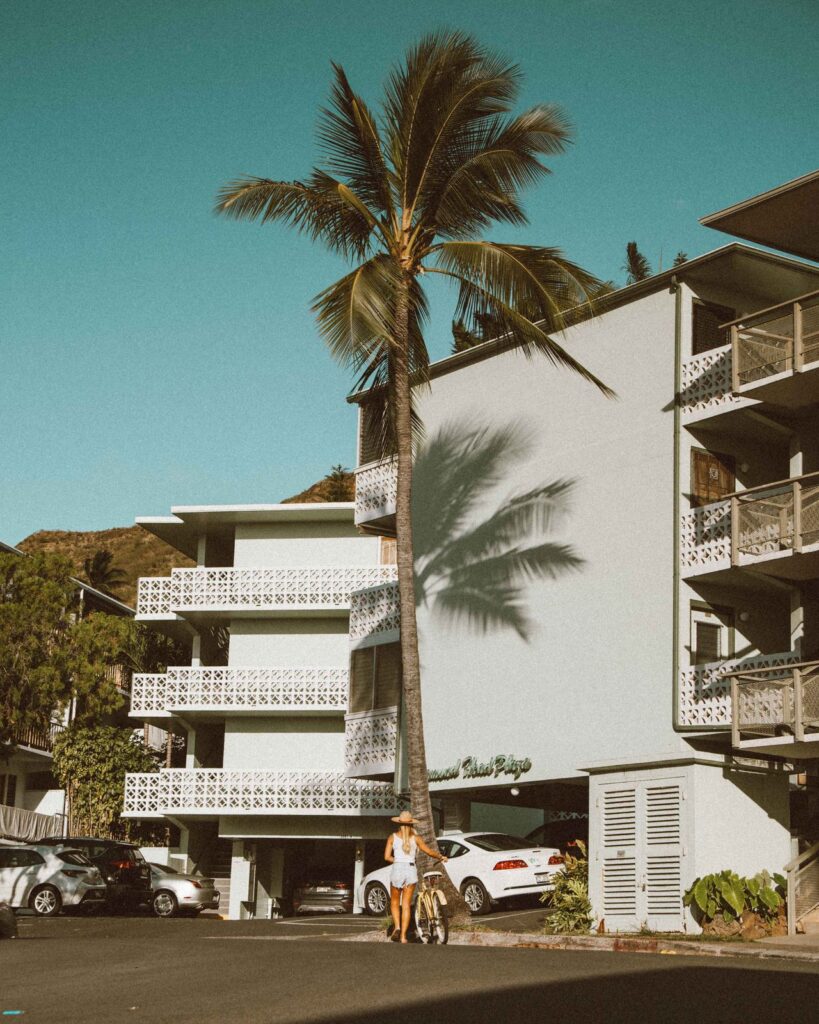
Oahu may look relatively small on a map, but driving times can vary significantly depending on traffic and the time of day.
Do not estimate your commute based solely on mileage. If possible, drive from a prospective neighborhood to work, school, childcare, healthcare appointments, and the places you expect to visit regularly.
Think about the complete transportation picture, including:
- Time spent in traffic
- Highway access
- Fuel and vehicle expenses
- Parking availability and cost
- Public transportation options
- Whether your household will need more than one vehicle
A home farther from Honolulu might offer more space or a quieter setting. However, that trade-off may feel less appealing if you spend several hours commuting each week.
Choose a Home That Fits Your Plans
Oahu offers everything from high-rise condos and resort-style communities to townhomes, single-family houses, and luxury waterfront properties.
Each type of home comes with different benefits and responsibilities.
Condos and Townhomes
A condo can be a great option for someone who wants a low-maintenance home, shared amenities, or a property that is easier to manage while living elsewhere.
Before purchasing, review:
- Monthly association fees
- Building reserves
- Insurance coverage
- Pet and parking policies
- Renovation restrictions
- Pending litigation
- Planned special assessments
- Rental and occupancy rules
Townhomes may provide more privacy and usable space while still including some association-managed maintenance.
Single-Family Homes
A single-family home may offer a yard, greater privacy, and more control over renovations. It also places responsibility for the roof, landscaping, drainage, pest prevention, and general upkeep on the owner.
Oahu’s climate and coastal conditions can create maintenance needs that buyers from the mainland may not immediately anticipate. Salt air, moisture, sun exposure, termites, and tropical weather should all be considered when estimating the true cost of owning a home.
Look Beyond the Listing Price
The purchase price and mortgage payment are only part of the cost of owning property on Oahu.
Your budget may also need to include:
- Property taxes
- Homeowners insurance
- Flood insurance, when applicable
- Utilities
- Association dues
- Parking fees
- Landscaping and pest prevention
- Routine maintenance
- Future repairs or assessments
Buyers should also determine whether a property is fee simple or leasehold. This distinction can affect financing, monthly expenses, resale value, and long-term ownership plans.
If you are unfamiliar with the island’s different communities or property types, working with local professionals such as Honolulu HI real estate experts Team Hawaii Real Estate can help you compare the practical details behind the listings.
Buying a Vacation Home or Investment Property
Owning a place on Oahu that your family can enjoy throughout the years is a wonderful dream. Some buyers may also hope to rent the property when they are not using it.
However, you should never assume a condo or home can legally operate as a short-term vacation rental.
Short-term rentals are only permitted in eligible areas and qualifying properties, and individual condo associations may impose additional restrictions. According to the City and County of Honolulu, rentals for fewer than 30 days generally must be in an eligible area and properly registered unless a specific exception applies. Buyers should review the city’s current short-term rental guidance and verify the status of an individual property before making an offer.
Ask questions such as:
- Is short-term renting legally permitted at this address?
- Does the property have the necessary registration or certificate?
- Does the condo association allow vacation rentals?
- Are there minimum rental periods?
- What taxes, insurance, and management costs apply?
- Would the property still make financial sense as a long-term rental?
Rules can change, so this is an area where current, property-specific guidance is especially important.
Visit Neighborhoods at Different Times
A neighborhood that feels peaceful on a Sunday morning might be much busier during a weekday commute. Likewise, an area that seems lively during the day may feel very different after dark.
Try to visit your favorite neighborhoods more than once. Walk around, stop at a nearby grocery store, and drive the surrounding roads.
Pay attention to:
- Traffic and parking
- Street and airplane noise
- Cell reception and internet options
- Street lighting
- Drainage and road conditions
- Nearby construction
- Access to beaches and parks
- Distance to groceries, restaurants, and services
These everyday details rarely appear in property photos, but they can have a major effect on how much you enjoy living there.
Think About the Years Ahead
It is easy to choose a property based on what you want right now. A better approach is to consider whether it could continue working for you over the next several years.
Could the home accommodate a growing family? Would the location still make sense if your work situation changed? Is the property manageable if you live on the mainland for part of the year? Could it serve as a long-term rental if your plans change?
You should also research future housing, retail, transportation, and infrastructure projects near the property. New development can add conveniences and support property values, but it may also introduce construction noise, heavier traffic, or changes to a view.
Create a Simple Neighborhood Shortlist
When several areas appeal to you, use a basic scoring system to make the comparison less emotional.
Choose up to five neighborhoods that meet your budget and general location needs. Score each one from one to five in the following categories:
- Commute and transportation
- Housing value
- Beach and outdoor access
- Shopping and services
- Privacy and noise
- Property maintenance
- Rental potential, if applicable
- Long-term fit
Visit your three highest-scoring neighborhoods and tour more than one type of property in each area.
Most importantly, remove any option that fails one of your true non-negotiables. A beautiful view may not compensate for a difficult commute, restrictive building rules, or ownership costs that stretch your budget too far.
Finding Your Place on Oahu
Living on Oahu can mean morning coffee with an ocean view, weekend hikes through tropical landscapes, family days at the beach, and access to a culture and community unlike anywhere else.
But the right Oahu neighborhood is not necessarily the one with the most dramatic listing photos. It is the one that makes everyday life feel comfortable, manageable, and aligned with your goals.
Take time to explore different parts of the island, test your regular routes, compare the full cost of ownership, and research property-specific rules. Whether you are relocating, searching for a second home, or considering an investment property, the goal is to find a place that feels like more than a vacation.
It should feel like home.