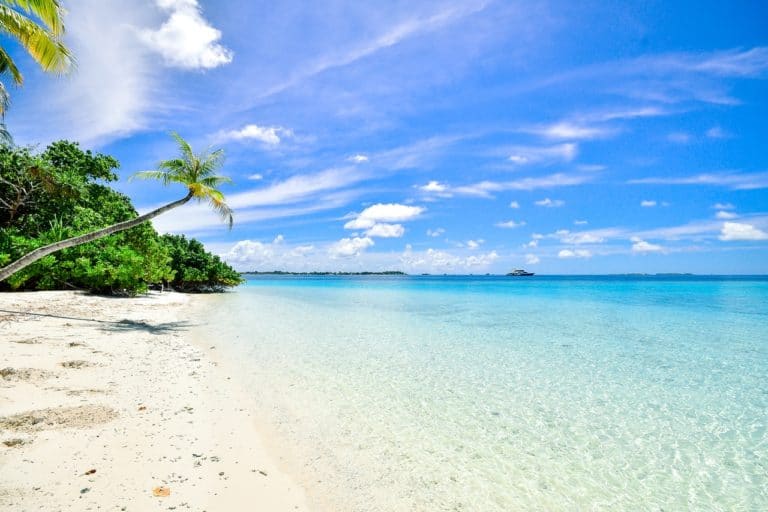
How To Plan A Multigenerational Family Vacation Everyone Can Enjoy

A multigenerational family vacation can bring children, parents, grandparents, and extended relatives together in ways that ordinary visits rarely do. It can also involve different budgets, bedtimes, mobility levels, and ideas of fun. Starting with honest conversations, rather than a favorite destination, gives the group a much better chance of enjoying the time away.
Some families prefer to organize every detail themselves, while others may want practical help coordinating a large group through a travel agent. Either way, the goal is the same: create a trip with meaningful shared time, enough personal space, and a pace that does not leave anyone behind.
Why Multigenerational Travel Works
Shared travel creates room for the moments families often miss at home: long breakfasts, stories from grandparents, cousins playing together, and unhurried meals. Children may remember a simple card game or a beach walk more clearly than an ambitious day packed with attractions.
The strongest group trips do not require every traveler to enjoy the same activity. They make room for connection while recognizing that a teenager may want independence, a parent may need quiet time, and an older adult may need a slower day.
Start With Shared Goals
Before booking, hold a short planning meeting or send a shared questionnaire. A travel agency can be one coordination option for a large group, but the family should still agree on the basics first: why they are traveling, how long each household can stay, and what costs feel manageable.
Questions To Ask First
- Is the priority rest, celebration, sightseeing, outdoor time, or visiting relatives?
- Who needs frequent breaks, special meals, child-friendly routines, or accessibility support?
- Which one or two activities would make the trip feel worthwhile for each household?
- What does each traveler consider essential versus optional?
Choose The Right Trip Style
There is no single best format for three generations. Compare trip styles by privacy, walking demands, meals, travel time, weather exposure, and how easily plans can change.
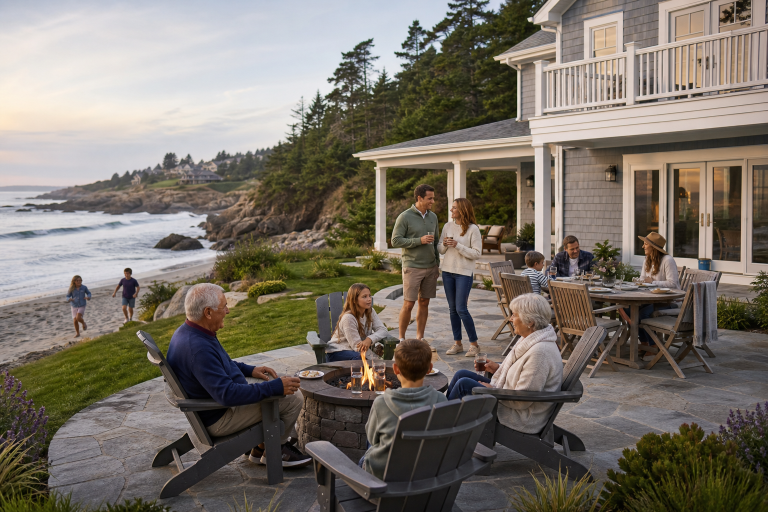
- Beach or resort stays offer downtime and simple, optional activities.
- Vacation rentals provide shared kitchens and gathering spaces, but require more meal planning.
- Cruises reduce daily transportation needs and offer a variety of onboard options.
- Nature trips can work well with scenic drives and short walks, provided routes and facilities are researched.
- City breaks give travelers museums, parks, food, and attractions at different activity levels.

Plan For Different Energy Levels
Plan around the person with the lowest energy or mobility level, not the fastest traveler. That does not mean everyone must move slowly. It means the core schedule should be comfortable, while more active relatives can add optional plans.
- Keep mornings relatively calm.
- Choose one main shared activity each day.
- Leave open time after lunch for naps, swimming, reading, or separate outings.
- Protect at least one quiet evening during the trip.
Check Comfort And Accessibility
Ask direct questions before reserving lodging, tours, or transportation. Confirm stairs, elevator access, bathroom layouts, shower entry, distance to dining areas, seating during excursions, noise levels, and sleeping arrangements. For park-based trips, accessibility information for individual national parks can help families check features before they arrive.
Set A Clear Group Budget
Money misunderstandings can damage a trip before it begins. Divide expenses into shared costs, such as a rental home or groceries, household costs, such as flights and room upgrades, and optional costs, such as premium tours or shopping. Equal payment is not always fair, especially when households differ greatly in size or the space they use.
Build A Flexible Itinerary
Use an anchor activity method rather than a minute-by-minute plan. Put one shared event, such as a family dinner, scenic drive, museum visit, or beach morning, at the center of each day. Keep travel distances short, label extra activities as optional, and prepare a low-effort indoor alternative for every weather-dependent plan.
Prepare For Travel Day
Treat arrival day as a transition, not a sightseeing challenge. Confirm check-in instructions, transfers, and meeting points in advance. Keep snacks, chargers, documents, medication, and a change of clothes in carry-on bags. Travelers going abroad should also review guidance for traveling with medicine, particularly when prescription rules or delays could affect the group.
Handle Common Group Challenges
Different Opinions, Bedtimes, And Food Preferences
Give each household one choice during the trip, such as a meal, activity, or free-time option. Separate sleeping areas and quiet hours can reduce tension when routines differ. Keep familiar snacks available for children and selective eaters while leaving room for people who want to try local food.
Weather And Changing Needs
Do not schedule the most important event on the final day. Keep nearby indoor options ready, and let travelers skip plans without guilt if they are tired, unwell, or need time alone. Flexibility is not a failure of planning. It is what makes a group itinerary workable.
Final Planning Checklist
- Confirm names, travel dates, identification, and entry requirements.
- Review accessibility needs, allergies, medications, and sleeping arrangements.
- Agree on cost sharing and payment deadlines in writing.
- Save reservation details, emergency contacts, and schedules in one shared folder.
- Plan rest time each day and a backup option for bad weather or delays.
Common Questions
How Far Ahead Should A Multigenerational Trip Be Planned?
Start as early as practical, especially when the group needs connecting rooms, accessible lodging, school-break travel, or shared transportation. Larger groups generally have fewer suitable options once dates get close.
Should Everyone Stay In The Same Property?
Not necessarily. A shared home can make meals and gatherings easier, while nearby rooms or separate properties can provide better privacy. Choose the arrangement that best supports rest, caregiving, and the group budget.
Conclusion
A successful multigenerational vacation is not measured by how many attractions the family completes. It is measured by how comfortable, included, and connected people feel. Set expectations early, share the work, keep the pace realistic, and leave room for each generation to enjoy the trip in its own way.