Designing the Perfect Furniture Layout: Practical Tips for Every Room
Key Takeaways
- Assess each room’s function and expected traffic patterns before arranging furnishings.
- Take exact measurements of your space and furniture to maintain a proportional design.
- Create a focal point to ground your layout and provide visual interest.
- Balance and symmetry establish harmony, while thoughtful asymmetry adds character.
- Select furniture pieces scaled to fit the room’s size, avoiding overcrowding or excessive emptiness.
- Designate clear walkways to ensure comfort and flow.
- Incorporate multifunctional furniture to maximize limited square footage.
- Personalize with accessories to mirror your unique style and needs.
Table of Contents
- Assess the Room’s Function
- Measure Your Space and Furniture
- Establish a Focal Point
- Maintain Balance and Symmetry
- Consider Scale and Proportion
- Plan for Traffic Flow
- Incorporate Multifunctional Furniture
- Personalize Your Layout
Creating a comfortable and visually appealing living space is all about how you arrange your furniture. Your home’s layout should suit your lifestyle and help every room feel both functional and welcoming. Whether you live in a compact apartment or a spacious house, a few core principles can transform. In contrast, any area can be an enjoyable retreat. For those looking to infuse unique flair, browsing home decor stores in Salt Lake City for stylish accessories can offer inspiration and finishing touches to perfect your arrangement.
Thoughtful planning is key. By considering how each piece fits into the space, prioritizing comfort and flow, and choosing accessories that reflect your personality, you can design a layout that stands the test of time. This guide offers step-by-step tips to help you assess, measure, and style your rooms like a pro.
Assess the Room’s Function
Identifying a room’s main function is the foundation of an effective furniture layout. Will you use the space for entertaining, relaxing, working, or dining? A living room designed for conversation and family time might feature comfortable sofas facing each other, while a dining room should provide ample space for chairs and movement around the table. Understanding these objectives helps you choose and position pieces appropriately for everyday life.
Measure Your Space and Furniture
Before making any purchases or moving heavy pieces, grab a tape measure. Document the length, width, and ceiling height of your room, as well as the location of doors, windows, and built-in features. Record furniture measurements, especially width and depth, and use painter’s tape to outline pieces on your floor, ensuring they fit harmoniously before finalizing a layout. This practice prevents regret over poorly fitting items and poor circulation.
Establish a Focal Point
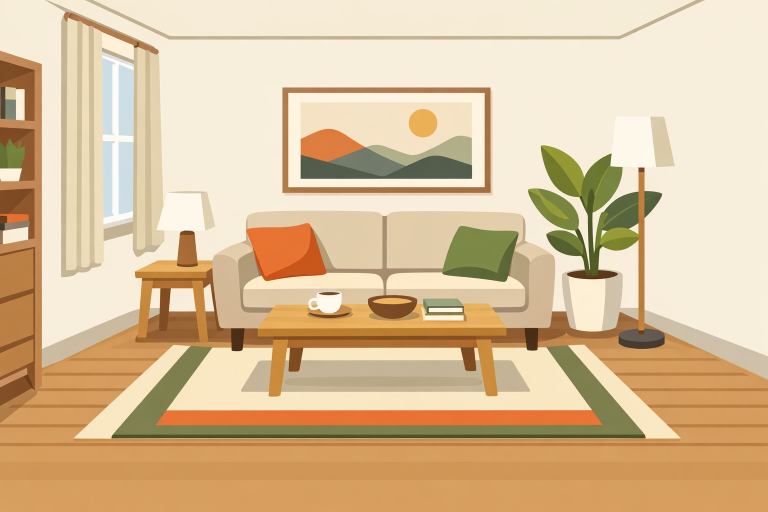
Every successful room layout centers on a focal point. This could be a fireplace, a large piece of artwork, or a window with a stunning view. Arrange primary seating or major furniture pieces to direct attention to this feature, creating coherence and a sense of purpose. In some rooms, the focal point might shift, for example, a media room focused on a TV or a den built around bookshelves and reading nooks.
Maintain Balance and Symmetry
Balance ensures that visual weight is evenly distributed throughout the space. Symmetry feels formal and calming, while an asymmetric arrangement can achieve a more relaxed look. Think about how pairs, such as lamps or chairs, mirror each other on opposite sides of a room, or how single larger pieces can offset a cluster of smaller items. For design inspiration, you can explore expert tips from Architectural Digest’s room decorating guide.
Consider Scale and Proportion
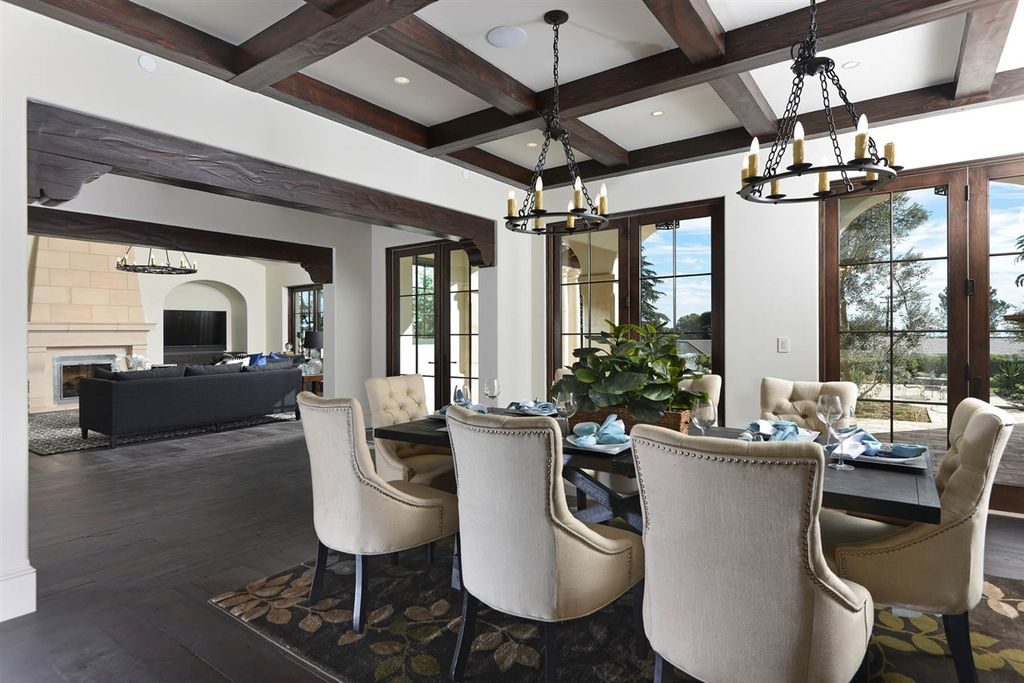
Furniture should be in scale with the room. Tiny pieces will disappear in a large open-concept living area, while oversized sofas can make a small den feel cramped and uncomfortable. Maintain balance by combining furniture of different heights, mixing low-slung elements with taller cabinets or bookshelves, and choosing rugs that anchor the room’s scale. Proportional design makes your space feel deliberate and inviting.
Plan for Traffic Flow
A great furniture layout always considers ease of movement. Leave at least 36 inches of space between large pieces to create intuitive, obstacle-free paths. Avoid blocking doors, entryways, or windows. Paths should allow people to move from one side of the room to the other without squeezing between furniture or detouring awkwardly. Functional flow is crucial, especially when planning your furniture arrangement.
In small or open-plan spaces, pieces that serve multiple purposes are invaluable. Consider a storage ottoman that doubles as extra seating, a sleeper sofa for guest accommodations, or nesting tables that can be stashed away when not in use. These items help you get the most utility from every square foot, often giving you flexibility as your needs change over time.
Personalize Your Layout
Ultimately, your home should reflect your personality and accommodate your routines. Experiment with different configurations, add meaningful art, or introduce plants to enliven corners. Tailoring your environment makes it uniquely yours and ensures maximum comfort. For more ideas on personalizing spaces, check out this resource from House Beautiful’s decorating archives.
Taking the time to carefully plan your furniture arrangement helps create a home that works for you every day and makes a lasting impression on guests. With practical strategies in place and a bit of creativity, you can blend comfort, visual appeal, and personal style for rooms you’ll love living in.