Exploring Honolulu’s Real Estate Landscape: Lifestyle Trends and Market Insights
Key Takeaways
- Honolulu’s real estate market reflects a blend of urban convenience and island lifestyle.
- Neighborhoods like Waikiki and Diamond Head offer diverse living experiences.
- Recent market trends show steady demand and evolving buyer preferences.
Table of Contents
- Waikiki: The Heartbeat of Honolulu
- Diamond Head: Luxury Living with Scenic Views
- Current Market Trends in Honolulu
- Community and Lifestyle Amenities
- Investment Opportunities in Honolulu Real Estate
- New Lifestyle Trends and Relocation Insights
- Sustainability and Future Development in Honolulu
- Conclusion
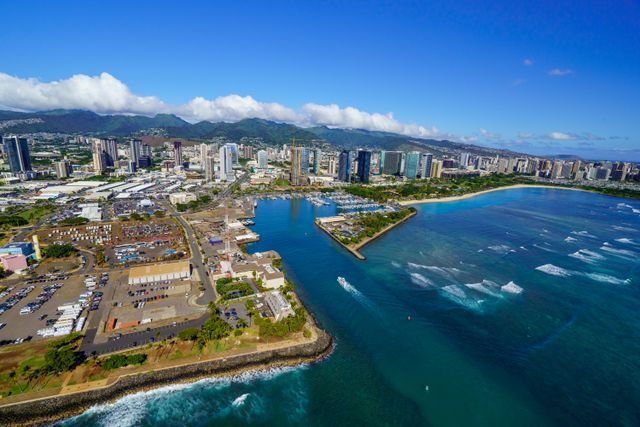
Honolulu, the vibrant capital of Hawaii, offers a unique blend of urban living and island charm. Understanding the local lifestyle trends is essential for anyone considering making this paradise their home. For those interested in exploring available properties, Tracy Allen, a leading real estate expert with over 35 years of experience, provides comprehensive listings of Honolulu HI homes for sale. As the #1 Individual Sales Agent in Hawaii and #6 Nationwide for Coldwell Banker Realty, Tracy’s extensive market knowledge and skill have consistently placed her among the elite of Hawaii’s Realtors.
Waikiki: The Heartbeat of Honolulu
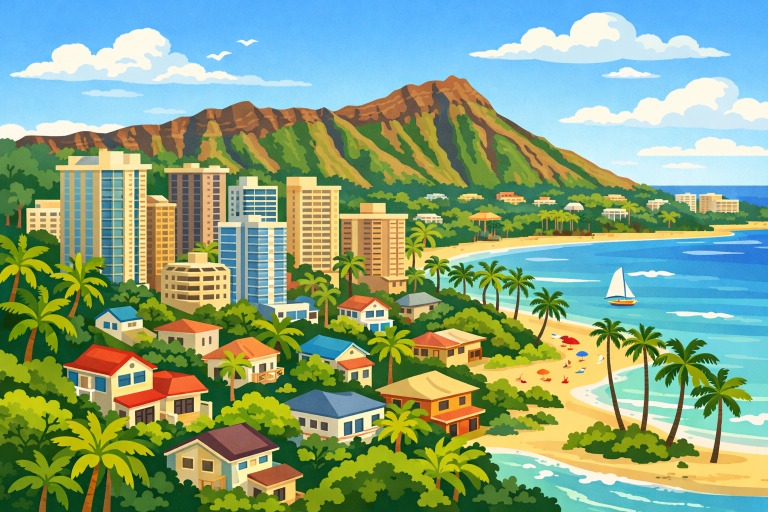
Waikiki is renowned for its bustling atmosphere, iconic beaches, and vibrant nightlife. This neighborhood offers a range of housing options, from high-rise condos to charming apartments. Residents enjoy proximity to world-class shopping centers, diverse dining options, and cultural attractions. The average rent for a one-bedroom apartment in Waikiki is approximately $2,110 per month, reflecting its desirability and central location.
Waikiki’s appeal isn’t limited to the tourist population; many locals are drawn to the convenience of living just steps from the ocean and renowned landmarks like the Honolulu Zoo and Waikiki Aquarium. Frequent local events, such as the Honolulu Festival and hula performances on the beach, foster a strong community spirit and create a living environment that feels both dynamic and welcoming. Real estate in Waikiki also appeals to investors, as vacation rentals remain popular with travelers seeking a true taste of Hawaii’s energy and hospitality. With ongoing upgrades to infrastructure and public spaces, Waikiki continues to reinvent itself while honoring its cultural roots.
Diamond Head: Luxury Living with Scenic Views
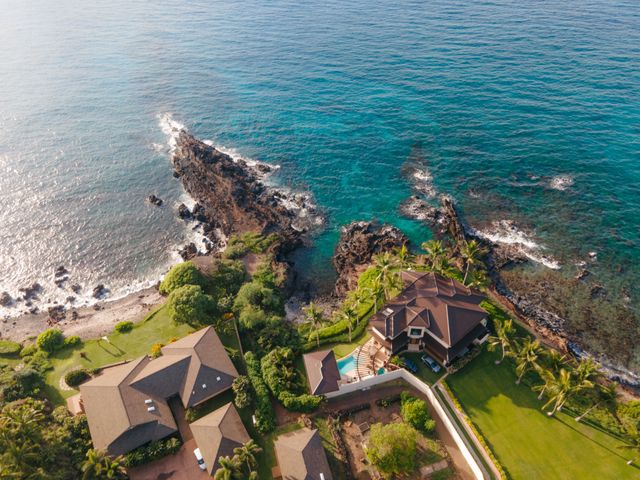
Adjacent to Waikiki, the Diamond Head-Kapahulu-St. Louis Heights area offers a more tranquil living environment. Known for its luxury homes and panoramic ocean views, this neighborhood appeals to those seeking a serene lifestyle. The median sale price in this area was $1.1 million as of March 2026, indicating a strong demand for upscale properties.
Living near the iconic Diamond Head crater offers not only spectacular views but also ample opportunities for outdoor recreation and wellness. Residents can easily access picturesque hiking trails, pristine surf spots, and peaceful parks catering to yoga enthusiasts and families alike. The neighborhood is dotted with historic homes that showcase mid-century architecture alongside modern estates, blending old-world charm with contemporary luxuries. With stricter zoning laws and a focus on preserving natural beauty, Diamond Head maintains its exclusive atmosphere, making it a landmark neighborhood for luxury real estate seekers and nature lovers.
Current Market Trends in Honolulu
As of March 2026, Honolulu’s housing market has shown resilience. The median sale price of homes was $605,000, a 7.1% increase from the previous year. Homes typically sell after 109 days on the market, suggesting a steady demand. Notably, out-of-state buyers have significantly influenced the luxury market, with areas like Kakaako experiencing a 53% increase in high-end transactions.
Inventory remains moderately tight, driven partly by limited land availability and zoning regulations that prioritize community development over large-scale construction. Despite rising prices, Honolulu remains attractive for both local and international buyers seeking stability, quality of life, and long-term appreciation. Buyers are increasingly looking for smart home features, flexible open-plan layouts, energy-efficient upgrades, and amenities that support work-from-home lifestyles. Condominium developments like those in Ala Moana and Kakaako are incorporating resort-style gyms, coworking lounges, and rooftop gardens to match these evolving preferences. This trend towards amenity-rich living has boosted demand, especially among young professionals and empty nesters.
Community and Lifestyle Amenities
Honolulu offers a rich tapestry of cultural and recreational amenities. From the historic Iolani Palace to the bustling Ala Moana Center, residents have access to a variety of experiences. The city’s commitment to green spaces is evident in parks like Kapiolani Park, providing residents with ample opportunities for outdoor activities.
The Honolulu lifestyle rewards those who engage with the community, whether that’s joining local outrigger canoe clubs, volunteering at the weekly farmer’s market, or savoring diverse dishes at food festivals celebrating the city’s multicultural heritage. The city’s public transportation system, TheBus, makes it easy to explore distinct neighborhoods and attractions without relying on a car, promoting convenience and sustainability. Honolulu’s public and private schools are highly rated, making the city a smart choice for families. The continued investment in healthcare facilities, educational institutions, and recreational centers enhances overall quality of life and makes it easier for new residents to settle in and thrive.
Investment Opportunities in Honolulu Real Estate
For potential investors, Honolulu presents a promising landscape. The steady appreciation of property values, coupled with a robust rental market, offers attractive returns. Neighborhoods undergoing revitalization, such as Kakaako, provide opportunities for growth and development.
Short-term vacation rentals are popular in select zones, generating strong seasonal income streams, especially during Hawaii’s peak travel periods. Investors are also capitalizing on the demand for long-term rentals among military personnel and healthcare workers, as the city is home to several major military bases and medical centers. Homebuyers should pay attention to local regulations regarding short-term rentals, as policies vary by neighborhood and can impact ROI. With reputable real estate advisors like Tracy Allen, navigating these regulations becomes more manageable, reducing risk and maximizing potential profit over time.
New Lifestyle Trends and Relocation Insights
The influx of remote workers and digital nomads has influenced Honolulu’s housing and lifestyle trends in recent years. More mainland residents, especially from West Coast states, are settling in the city for its temperate climate and access to both urban and natural amenities. This demographic shift has spurred demand for homes with dedicated office spaces, high-speed internet, and proximity to fitness facilities or coworking spaces. As a result, developers are adapting by offering tech-forward amenities and flexible layouts in both condo and single-family home designs. This shift aligns with a broader national trend toward home environments that can seamlessly accommodate work, leisure, and family life under one roof.
Additionally, lifestyle buyers—those prioritizing wellness, outdoor living, and connection to the land—are increasingly drawn to communities that feature open green spaces, community gardens, and easy access to hiking, biking, and water sports. The blossoming food scene, with its fusion of Asian, Pacific, and American flavors, offers an added draw for newcomers who value culinary adventure. Moreover, the city’s vibrant arts and music community, showcased in monthly art walks and live performances, enriches daily living in Honolulu while inviting newcomers to connect with local culture and traditions.
Sustainability and Future Development in Honolulu
Sustainability plays a growing role in Honolulu’s real estate and urban planning strategies. Many new developments incorporate green building materials, solar energy systems, and water conservation techniques. The city and county of Honolulu have committed to ambitious climate action goals, including carbon neutrality by 2045, which directly impacts new housing projects and community planning. Homeowners are incentivized through rebates for installing photovoltaic systems, efficient appliances, and drought-resistant landscaping, which not only save money but also add resale value to properties.
The emphasis on walkability, bike-friendly streets, and public transit aligns with efforts to reduce the city’s carbon footprint. As future developments break ground, expect to see more eco-friendly complexes and community microgrids that enhance energy resilience. Buyers committed to sustainable living increasingly have choices among LEED-certified homes, neighborhoods with recycling programs, and communities centered on environmental stewardship and connectivity to Oahu’s unique ecosystem. As Honolulu continues to grow, its focus on sustainability and responsible development helps ensure the island’s natural beauty and resources are preserved for generations to come.
Conclusion
Honolulu’s real estate market is a reflection of its unique blend of urban sophistication and island allure. Whether you’re seeking a vibrant city life in Waikiki or a peaceful retreat in Diamond Head, Honolulu offers diverse options to suit various lifestyles. Staying informed about local trends and market dynamics is key to making the most of what this beautiful city has to offer.