How to Protect Your Home’s Interior from Wildfire Smoke and Ash
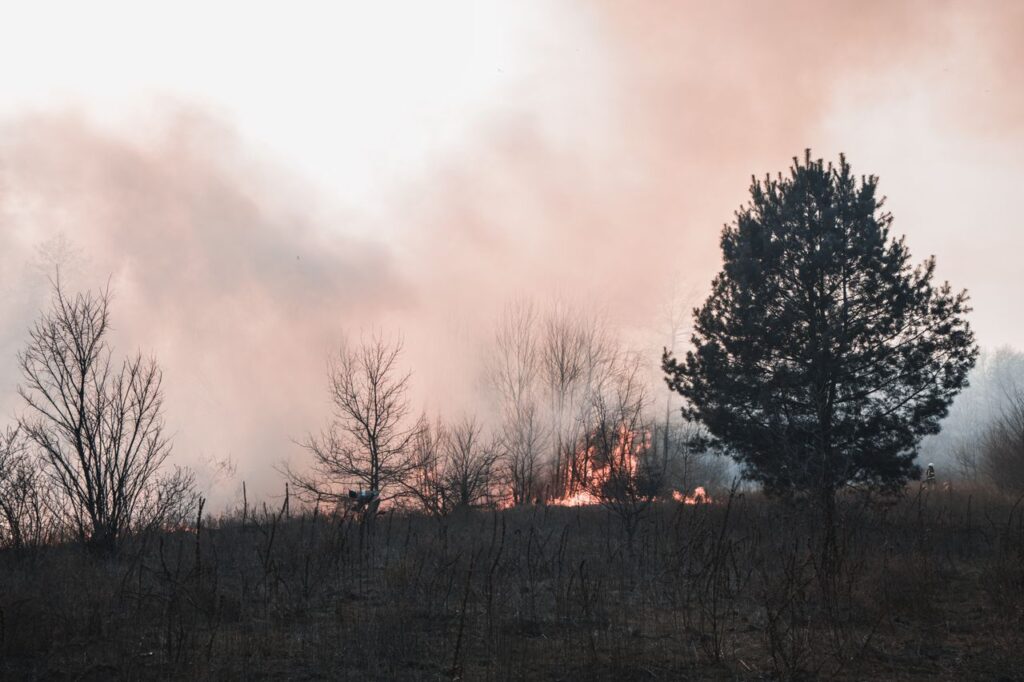
Table of Contents
- Understanding the Threat of Wildfire Smoke and Ash
- Health Risks Associated with Indoor Smoke Exposure
- Immediate Steps to Protect Your Home
- Cleaning and Restoration Tips
- Long-Term Preventive Measures
- When to Seek Professional Help
- Conclusion
Wildfires are increasingly common, and their impact extends beyond the immediate threat of flames. Even if a wildfire doesn’t directly endanger your home, smoke and ash can infiltrate your living space, causing damage and health hazards. Proactively safeguarding your home’s interior is essential to maintain comfort, safety, and property value. Understanding when to seek professional fire damage restoration services is crucial to prevent lasting harm. Smoke and ash particles are fine enough to enter your home through small gaps or HVAC systems, settling on surfaces, furniture, and clothing. These contaminants can cause stains, lingering odors, and health issues. Acting quickly to minimize their intrusion and clean your space efficiently is vital to restore healthy air quality.
Understanding the Threat of Wildfire Smoke and Ash
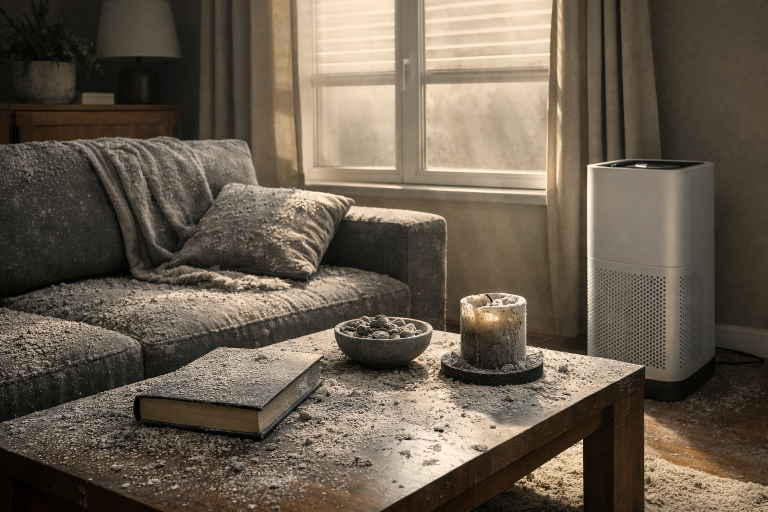
Wildfire smoke is a complex mixture of gases and fine particulate matter resulting from the combustion of various materials. These particles can easily infiltrate homes, especially during large fire events, entering through cracks in doors and windows, as well as through mechanical systems such as air conditioners and bathroom fans. Ash carried by the wind can coat both outdoor and indoor surfaces. Smoke from wildfires can persist in homes long after the initial fire, leading to unpleasant odors and potential long-term risks to building materials and contents. Ash often contains more than just burnt wood. When wildfires consume construction materials, plastics, or metals, they can release toxic substances, including heavy metals and volatile organic compounds. These contaminants adhere to upholstery, bedding, and other household textiles, exacerbating the challenge of cleaning and restoring the living environment after a wildfire intrusion.
Health Risks Associated with Indoor Smoke Exposure
Wildfire smoke carries fine particulate matter, or PM2.5, that can bypass the body’s natural filtration system and embed deeply in the lungs. This can lead to or worsen respiratory conditions, such as asthma and chronic bronchitis. In addition to causing itchy eyes and sore throats, these particulates have also been linked to increased risks of heart attacks and strokes. Vulnerable groups, such as children, older people, and those with underlying lung or heart conditions, are especially susceptible to these dangers. The presence of toxin-laden ash indoors only compounds these health threats, sometimes resulting in persistent symptoms even after the initial exposure ends.
Immediate Steps to Protect Your Home
When smoke becomes noticeable, or a wildfire warning has been issued in your region, take prompt action to limit exposure inside your home:
- Seal all entry points: Close windows and doors tightly. Apply weatherstripping or place damp towels at thresholds and window sills to prevent smoke from seeping.
- Employ HEPA air purifiers: Use portable air purifiers with HEPA filters in key living spaces to capture fine smoke particles. Ensure your units are appropriately sized for each room.
- Recirculate your indoor air: Set your HVAC or air conditioning system to “recirculate” mode to avoid drawing in smoky exterior air.
- Minimize other sources of indoor pollution: Avoid activities that generate additional pollutants, such as burning candles, frying food, or smoking indoors.
Cleaning and Restoration Tips
Post-wildfire, a thorough cleanup is crucial for both health and comfort. Here are effective steps to restore your home:
- Protect yourself while cleaning: Wear N95 masks, gloves, and long-sleeved clothing to avoid inhaling or touching harmful residues.
- Remove loose ash and debris: Carefully vacuum floors, carpets, and upholstery with a HEPA-filter vacuum. Avoid ordinary vacuums, as they can stir up fine ash particles and redistribute them in the air.
- Wipe hard surfaces: Clean countertops, furniture, and other surfaces with a damp cloth and a mild detergent. Avoid harsh chemicals that could react with chemical residues.
- Replace HVAC filters: Change your HVAC or air purifier filters as soon as the smoke event passes. This helps keep indoor air cleaner and extends the life of your appliances.
- Consider duct cleaning: If your HVAC system ran during the smoke event, consult professionals about cleaning your air ducts, as they may harbor residual ash and soot.
Long-Term Preventive Measures
Thinking ahead can make a major difference when the next wildfire season approaches:
- Install high-efficiency doors and windows: Solid-core doors and double-paned windows provide better protection against smoke infiltration. Weatherproofing further reduces gaps and leaks.
- Maintain defensible space: Trim tree branches and clear brush away from your home’s perimeter. This not only reduces fire risk but can also limit the quantity of ash that might accumulate on your property.
- Monitor air quality: Place an indoor air quality monitor in central living areas to track particulate levels and decide when additional filtering or ventilation is needed.
- Review your emergency plan: Know evacuation routes, keep emergency supplies on hand, and develop a checklist for quickly securing your home should a wildfire approach.
When to Seek Professional Help
If you find that smoke odors persist, ash stains remain on furnishings, or indoor air quality tests continue to show elevated particulate levels after cleanup, seek qualified restoration services. Experts who specialize in disaster recovery have advanced equipment and techniques to remediate homes after exposure to smoke or ash fully. Moreover, if anyone in your household experiences continuing or unexplained health symptoms, consult your healthcare provider. Prolonged exposure to wildfire contaminants can have lasting effects, so timely intervention is key.
Conclusion
Wildfire smoke and ash can seem like distant threats until they enter your home and affect your daily life. Protecting your home’s interior requires vigilance before, during, and after wildfire season. By understanding the risks, taking immediate protective steps, being thorough in your cleanup, and making wise investments in home upgrades, you can significantly reduce the impact of wildfires on both your property and your health. Stay proactive and prepared to keep your home a haven through challenging times.