Innovative Approaches to Residential Lighting Design
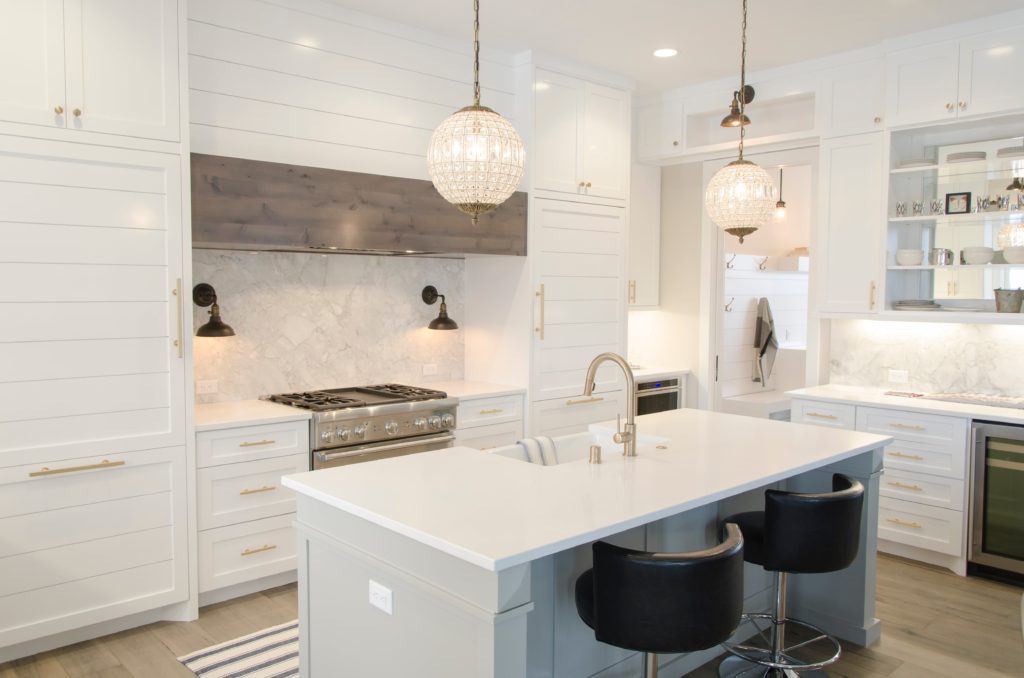
Table of Contents
- Embracing Layered Lighting
- Integration of Smart Lighting Systems
- Utilizing Sustainable Materials
- Incorporating Statement Fixtures
- Implementing Circadian Lighting
- Adaptive Lighting for Multifunctional Spaces
- Conclusion
Lighting shapes both the ambiance and the functionality of every home. As interior design continues to evolve, so do the possibilities for homeowners seeking to balance beauty, efficiency, and practicality in their spaces. Whether you are reimagining your living room or planning a kitchen remodel, today’s most popular approaches blend advanced technology with thoughtful aesthetics. Modern trends also include essential improvements, such as emergency lighting solutions, to keep your home prepared and secure at all times.
Recent advancements in lighting design enable spaces that flex seamlessly between activities, moods, and practical requirements. With a growing demand for sustainable design, lighting choices now impact not only your lifestyle but also the environment. Choosing the right fixtures, materials, and systems can transform how a space is experienced and utilized.
Embracing Layered Lighting
Layered lighting takes a holistic approach to home illumination. By combining ambient, task, and accent lighting thoughtfully, this technique creates engaging, flexible environments. Ambient lighting provides general illumination, setting the mood for a space. Task lighting, such as under-cabinet lights in the kitchen or reading lamps in the living room, targets specific activities. Accent lighting highlights architectural features or artwork, drawing the eye and adding depth.
The ability to adjust these layers individually helps homeowners shape the atmosphere and functionality with ease. Whether hosting guests or relaxing with a book, layered lighting ensures every part of a room feels inviting and purposeful. For further inspiration and planning advice, resources such as Architectural Digest’s home lighting guide offer helpful insights.

Integration of Smart Lighting Systems
Smart lighting systems are revolutionizing how we interact with household illumination. Equipped with remote access, programmable schedules, and voice control, smart bulbs and switches set a new standard of convenience. These systems allow homeowners to tailor lighting brightness, color temperature, and timing throughout the day to suit their schedules and routines.
Energy efficiency is a key advantage of smart lighting. Many systems use sensors and automation to turn lights off in empty rooms or adjust intensity based on available daylight, resulting in substantial savings on utility bills. As the Internet of Things (IoT) expands, smart lighting can easily be integrated into broader home automation plans, creating environments that respond intuitively to our needs.
Utilizing Sustainable Materials
Homeowners are increasingly prioritizing fixtures made from sustainable materials. Options like recycled metals, reclaimed wood, hand-blown glass, and natural fibers are making sustainable lighting more accessible and visually appealing than ever before. Fixture design often incorporates these eco-friendly materials without sacrificing functionality or elegance, helping to reduce the carbon footprint of home improvements.
Incorporating Statement Fixtures
Lighting is no longer just a practical element; it has become an essential element of home decor. Statement fixtures, such as oversized pendants, sculptural floor lamps, and unique chandeliers, can anchor living spaces and reflect the homeowner’s personal style. These striking features serve both decorative and functional purposes, transforming simple rooms into dynamic, conversation-worthy spaces. For inspiration on bold lighting trends, House Beautiful’s roundup of statement lighting is a valuable resource.
Implementing Circadian Lighting
Circadian lighting is an innovative approach that supports the body’s natural rhythms. These systems mimic the color and intensity of sunlight throughout the day, promoting better sleep cycles, improving mood, and supporting overall well-being. Morning lights often emit a cool, bluish tint to boost alertness, while evening lights shift to warmer tones that signal relaxation and prepare the body for restful sleep.
Integrating circadian lighting can help balance the effects of artificial light exposure, especially for those who spend significant time indoors. This technology is gaining traction in homes where wellness is a top priority and where people want to align their living environments with their health goals.
Adaptive Lighting for Multifunctional Spaces
Modern homes frequently serve multiple purposes, often functioning as workplaces, entertainment zones, and gathering spaces. Adaptive lighting addresses this versatility with flexible, modular, and adjustable fixtures. Track lighting, movable sconces, and tunable LED panels can be repositioned or adjusted in brightness and color, meeting the needs of any occasion. This adaptability ensures a space remains both inviting and productive, no matter the activity.
Designers recommend planning lighting layouts with flexibility in mind so rooms can effortlessly support changing daily requirements. This strategy maximizes the potential of each area while supporting energy efficiency.
Conclusion
Innovative residential lighting design philosophy extends far beyond simply selecting attractive fixtures for a home. Modern approaches incorporate smart technologies that allow homeowners to customize brightness, color temperature, and scheduling for greater convenience and energy efficiency. Designers also prioritize eco-friendly materials and sustainable manufacturing practices to reduce environmental impact. Statement lighting pieces are strategically used to enhance architectural features and establish visual focal points. Additionally, thoughtful lighting plans support wellness by improving comfort, productivity, and mood. These combined elements help create living spaces that are functional, adaptable, sustainable, and aesthetically appealing.