How To Build A Better Los Angeles Dining Day
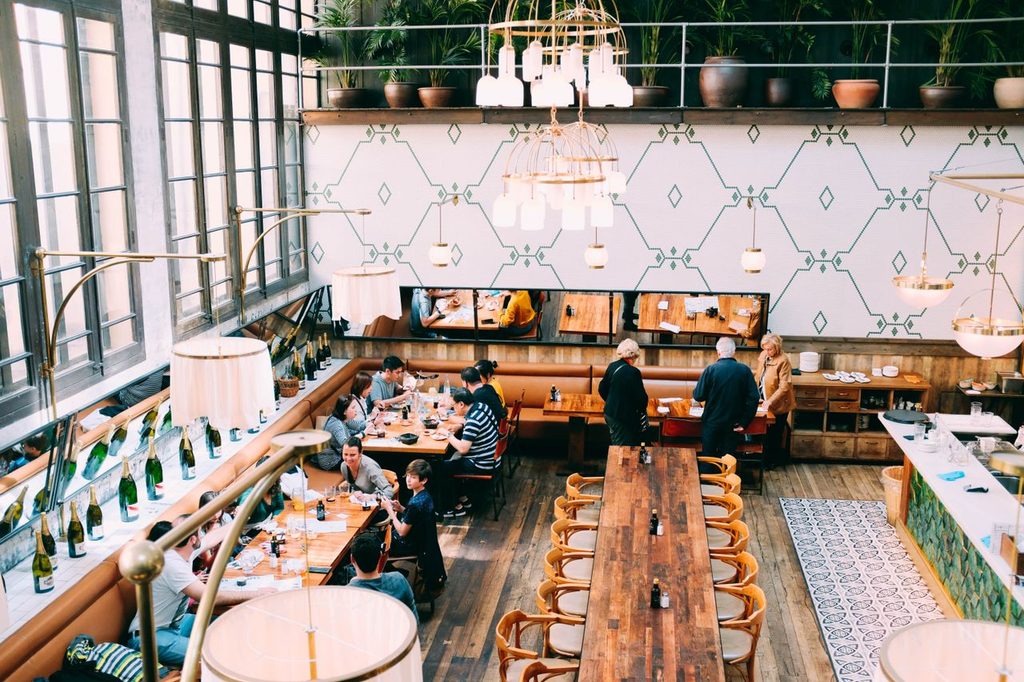
Los Angeles rewards diners who plan with intention. The city offers an extraordinary range, from bakeries and market counters to family-run neighborhood favorites and polished tasting rooms. Still, a great food day can unravel quickly when every meal is on a different side of town. The goal is not to chase every popular opening. It is to create a day that feels varied, unhurried, and genuinely enjoyable.
Start by choosing the kind of outing you want, then build around one practical area. A neighborhood-based guide, such as the Franki app, can help generate ideas by cuisine, mood, and occasion, but the strongest plan still accounts for travel time, appetite, budget, and the people joining you.
Why Location Matters In Los Angeles
Distance shapes nearly every Los Angeles dining experience. A breakfast in Santa Monica, lunch downtown, and dinner in the San Fernando Valley may sound exciting on a map, but traffic, parking, and the time needed to settle into each stop can turn the day into a series of rushed drives. Staying in one neighborhood or two adjoining areas gives more time to enjoy the actual meals.
Build a compact route with a clear center of gravity. Pick a morning stop within a short walk or drive of lunch, then keep dinner and dessert nearby. This also makes it easier to adapt if a line is long, a reservation changes, or the group wants to linger. The best dining days leave enough room for an unexpected visit to a coffee shop, bookstore, gallery, park, or market.
Choose Your Dining Style First
The right plan begins with the occasion, not a random search result. Decide what the day needs to feel like before you choose individual restaurants.
- Casual food day: Favor counter service, food halls, bakeries, markets, and inexpensive shared snacks.
- Date day: Choose a calm breakfast, a walkable lunch, and one dinner that feels memorable without requiring a complicated route.
- Family outing: Look for broad menus, flexible seating, quick service, easy parking, and options for different appetites.
- Solo dining: Prioritize bar seating, small plates, handheld foods, and places where a walk-in meal feels comfortable.
- Celebration: Reserve in advance, allow extra time for parking, and avoid scheduling another major commitment immediately afterward.
- Outdoor plan: Consider patios, courtyards, rooftops, or beach-adjacent seating, while keeping an indoor backup in mind.
Build A Three-Part Dining Day
Morning: Start Light
Begin with coffee, a pastry, fruit, eggs, or another modest breakfast near your main destination. A lighter first meal makes lunch more flexible and avoids the sluggish feeling that can come from starting with a heavy brunch. If breakfast is the event, scale lunch down to a snack or shared plate.
Afternoon: Make Lunch The Main Event
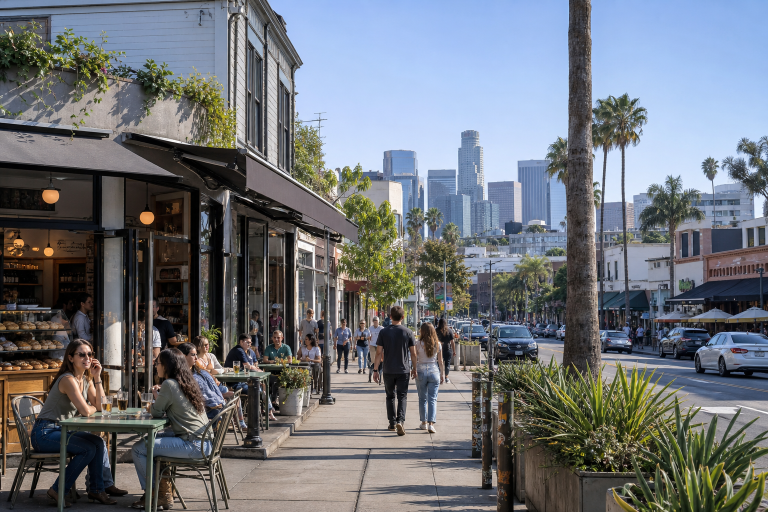
Lunch is often the easiest place to try something new. Look for a cuisine that differs from breakfast, a market counter, a weekday special, or a menu designed for sharing. Follow it with a short activity nearby. A walk, a museum visit, a shopping break, or a quiet park stop gives everyone time to reset before dinner.
Evening: End With A Clear Purpose
Choose between a relaxed dinner and a polished occasion meal. For small dining rooms, fixed menus, or highly requested tables, reserve early and confirm the cancellation policy. Keep dessert, drinks, or coffee close to dinner so the final part of the day feels like a natural extension, not another cross-city trip.
Plan By Neighborhood
Think about neighborhoods by experience rather than trying to rank them. Downtown Los Angeles works well for culture, business lunches, modern dining rooms, and evening plans. Koreatown is especially useful for groups, shared dishes, and later dining. East Hollywood and nearby areas are well-suited to casual meals, bakeries, and newer global concepts. The Westside can pair beach walks and patios with relaxed lunches or polished dinners, while the Arts District works naturally for a creative date night.
Historic and cultural districts can add meaning to the meal by connecting food with a local community and a sense of place. Current Los Angeles food trends also point diners toward global flavors, flexible formats, and lighter or more health-conscious choices. Use those ideas to explore, but let your group’s preferences determine the final route.
Balance The Budget
A good dining day does not require spending heavily at every stop. Set a total budget before choosing the first meal, then decide where to splurge. If dinner will be expensive, keep breakfast simple and make lunch a casual shared experience. If a daytime tasting menu is the priority, plan a lighter evening.
- Low-cost day: Coffee and pastry, casual lunch, one shared snack, and an affordable dinner.
- Mid-range day: Sit-down lunch, a nearby activity, then a reserved dinner with one drink or dessert.
- Special occasion: Light breakfast, one premium meal, and a slower evening centered on conversation rather than more ordering.
Check service charges, drink prices, tasting-menu rules, and portion sizes before ordering. Sharing larger dishes can broaden the experience, but only if the group agrees on the plan and dietary needs are clear.
Use Current Food Trends Wisely
Trends can be useful when they help you find a format that suits the day. Smaller tasting portions can work well when you want several stops. Vegetable-forward dishes, nonalcoholic drinks, regional specialties, and casual restaurants with thoughtful design can make an outing feel special without becoming overly formal.
At the same time, viral ordering habits can affect menus and smaller operators. Changing protein-focused dining habits is one example of how demand can reshape what restaurants serve and stock. Try what interests you, but do not let a social trend override your appetite, budget, or enjoyment.
Avoid Common Planning Mistakes
- Scheduling meals on opposite sides of the city.
- Assuming every popular restaurant accepts reservations or has a short walk-in wait.
- Ignoring differences between weekday, weekend, brunch, and dinner menus.
- Building the whole outing around social media popularity.
- Forgetting dietary restrictions, spice tolerance, or accessibility needs within the group.
- Leaving too little time for parking, traffic, and a possible backup stop.
- Ordering several rich, heavy meals in a row.
Use A Simple Dining Checklist
- Neighborhood selected.
- Meal times are spaced out.
- Overall budget set.
- Hours and menus checked.
- Reservation confirmed, if needed.
- Parking or transit plan ready.
- Dietary needs reviewed.
- Backup option chosen.
- Outdoor weather is considered.
Conclusion
A better Los Angeles dining day is not about fitting in as many restaurants as possible. It is about making smart choices that leave room to enjoy each one. Choose the occasion, stay within a sensible area, balance lighter and richer meals, and prepare for the practical details. With a clear plan and a little flexibility, a food-focused day in Los Angeles can feel both effortless and memorable.